



Philippines
– Island Landscapes and Coastal Regions –
Philippines – Island Landscapes and Coastal Regions
The Philippines are a tropical mosaic of more than 7,600 islands with impressive landscape diversity and multiple climate zones that vary from island to island. Our journey took us from Manila to Palawan with El Nido and Bacuit Bay, on to Coron, Cebu, and further to Southern Leyte. As the route progressed, the places we visited became quieter and more unspoiled; we were particularly fascinated by the protected coastal landscapes and the country’s rich biodiversity. The Philippines lie at the heart of a biological hotspot known as the Coral Triangle. It is considered the most species-rich marine ecosystem on Earth.
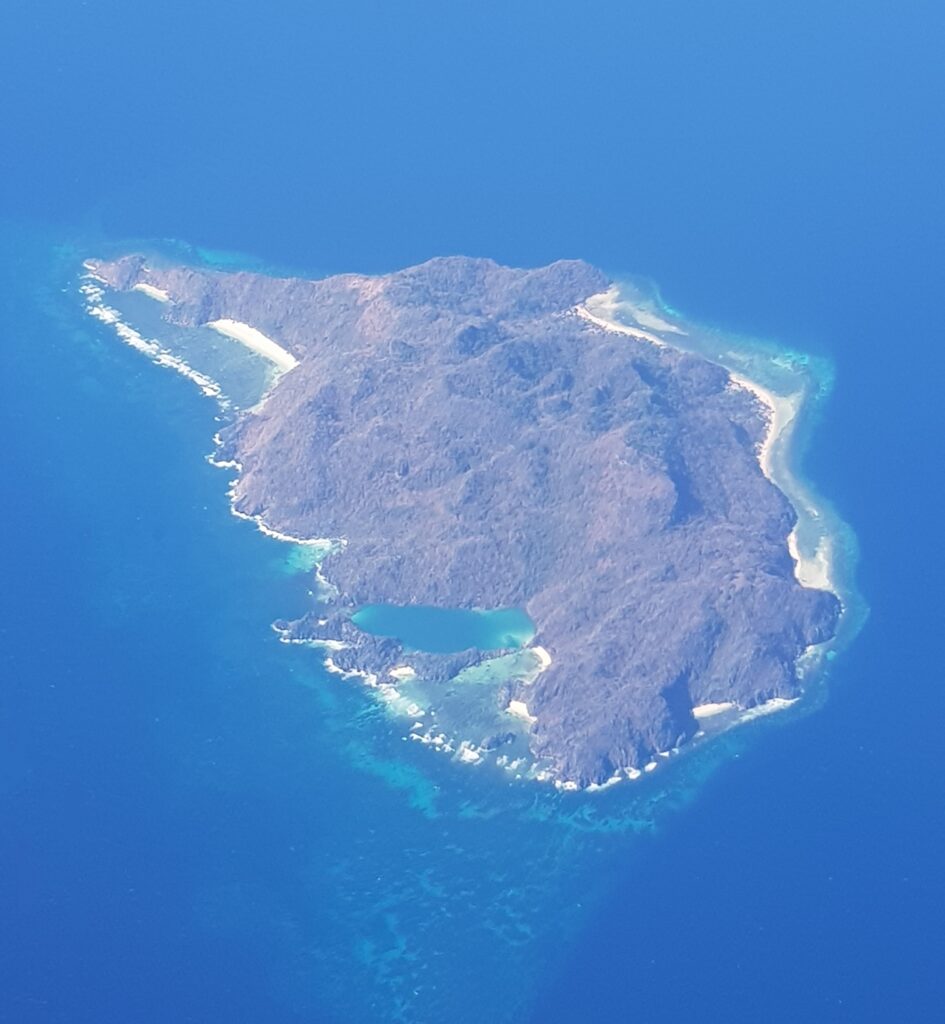
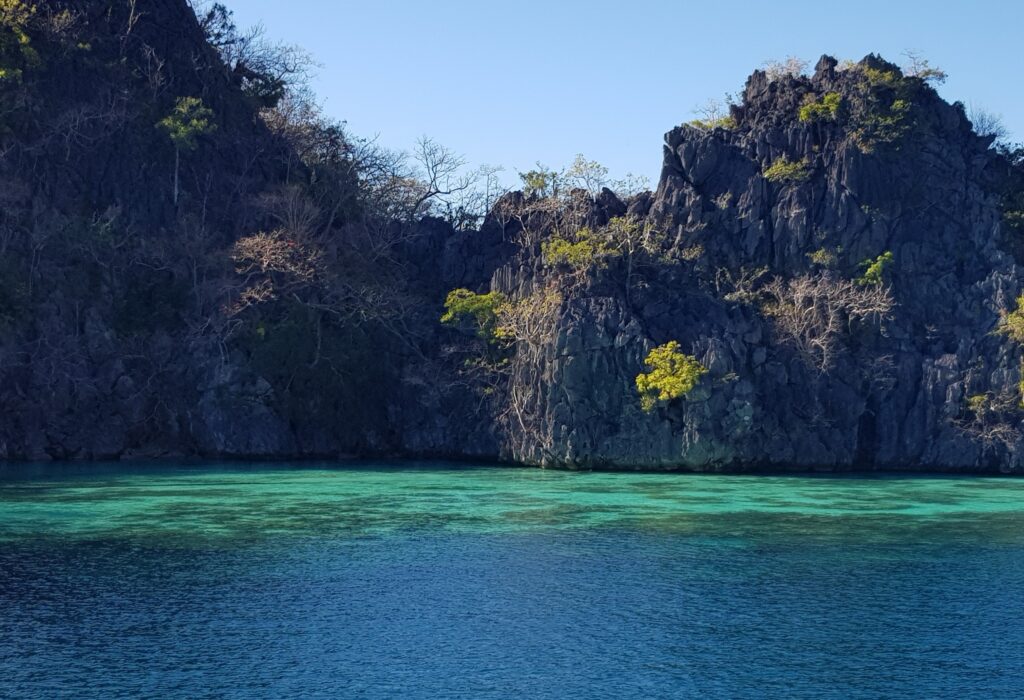
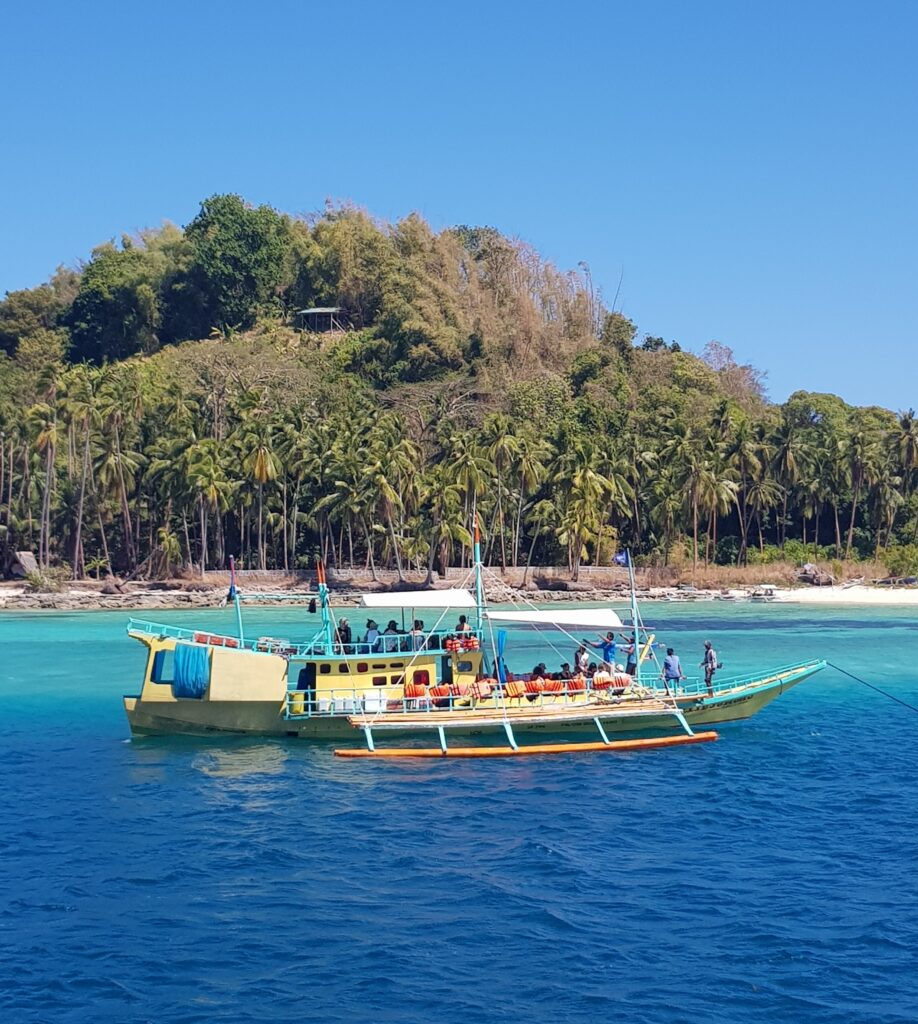
Our Route
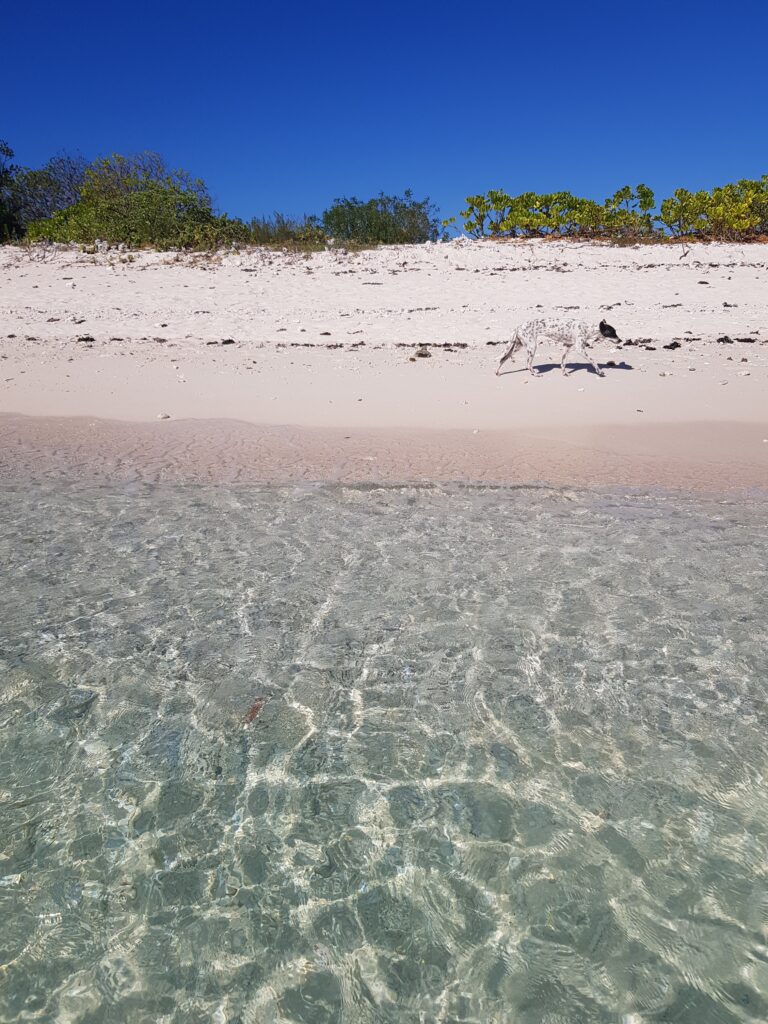
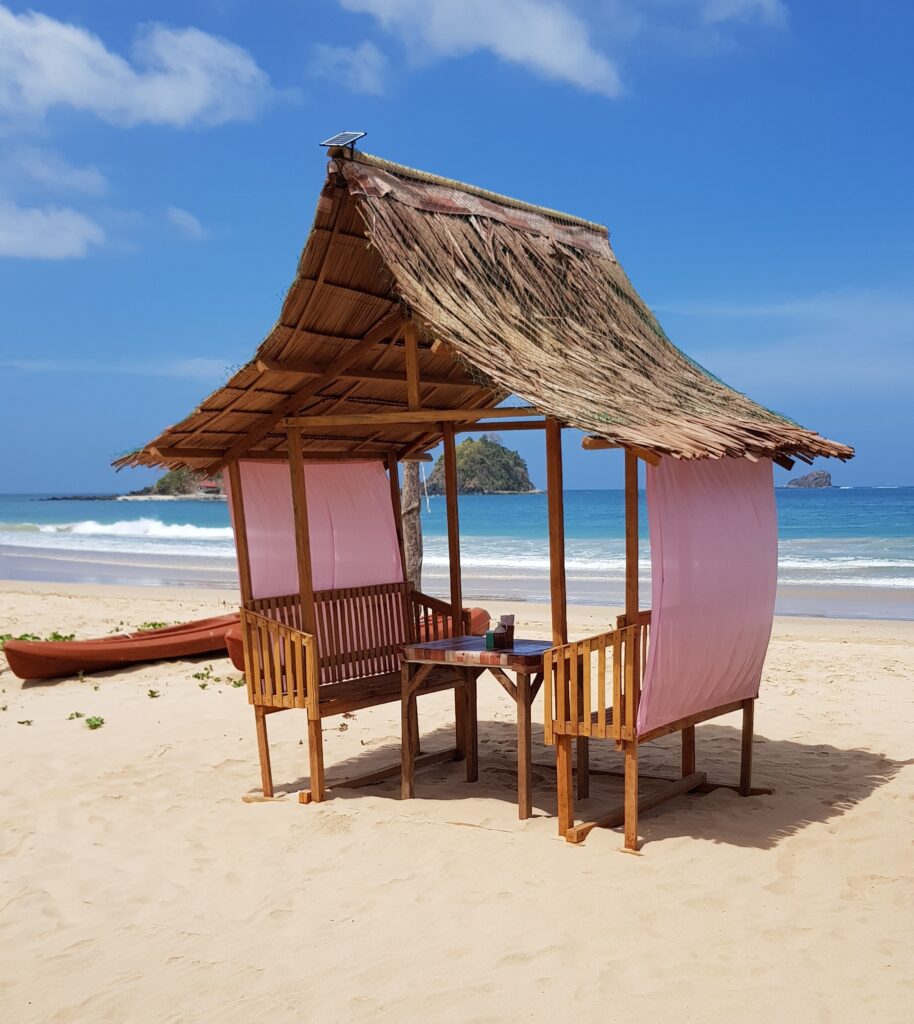
Our journey began in the vibrant capital city of the Philippines, Manila. From there, we flew to El Nido on the island of Palawan. We spent plenty of time on the beaches, paddling by kayak through the stunning Bacuit Bay early in the morning and enjoying the peace and quiet between limestone cliffs and turquoise waters.
We continued by boat, travelling for several days across the sea to remote, largely unspoiled islands until we reached Coron on Busuanga Island, where we spent several wonderful days surrounded by nature. The town center of Coron Town is also worth a visit. From there, we flew to Cebu and took a ferry to Ormoc on the island of Leyte. Our route then took us further south: through Padre Burgos and Sogod, all the way to Pintuyan – a remote place that fascinated us with its authenticity. We stayed here the longest and got our diving certification.
From Pintuyan, we traveled overland to Tacloban – a longer but scenic journey – and from there, we flew back to Manila.
Landscape
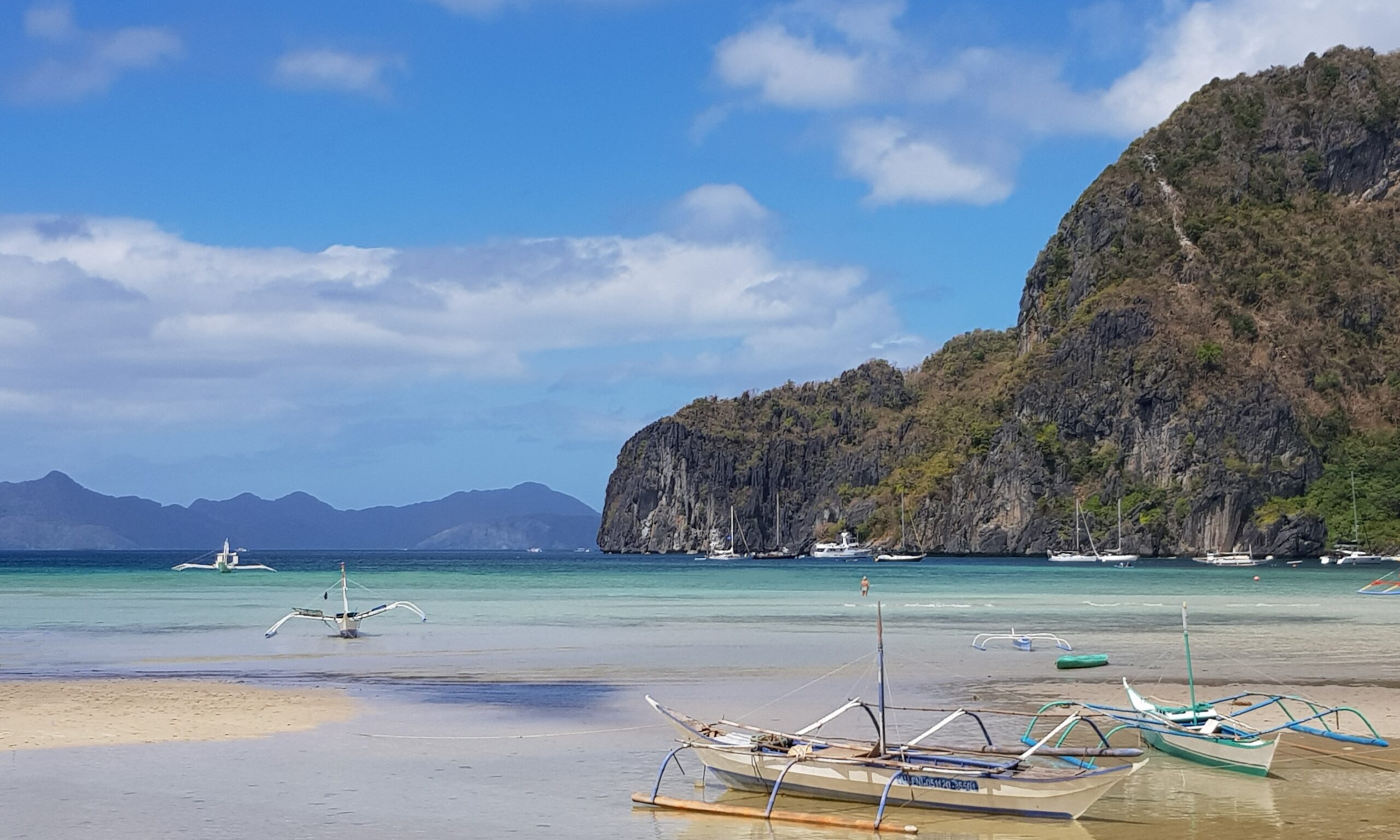
The Philippines consist of over 7,600 islands and offer an impressive variety of landscapes. The spectrum ranges from white-golden sandy beaches and dense rainforests to active volcanoes and expansive rice terraces.
Coastal regions, mountain ranges and fertile plains shape the scenery just as much as tropical island worlds. Nature is diverse and, in many places, still largely untouched.
There are officially four climate zones, which differ mainly in the distribution of rainy and dry seasons. These climate zones influence agriculture and tourism and provide clues as to where and when heavy rainfall or typhoons may occur.
Flora
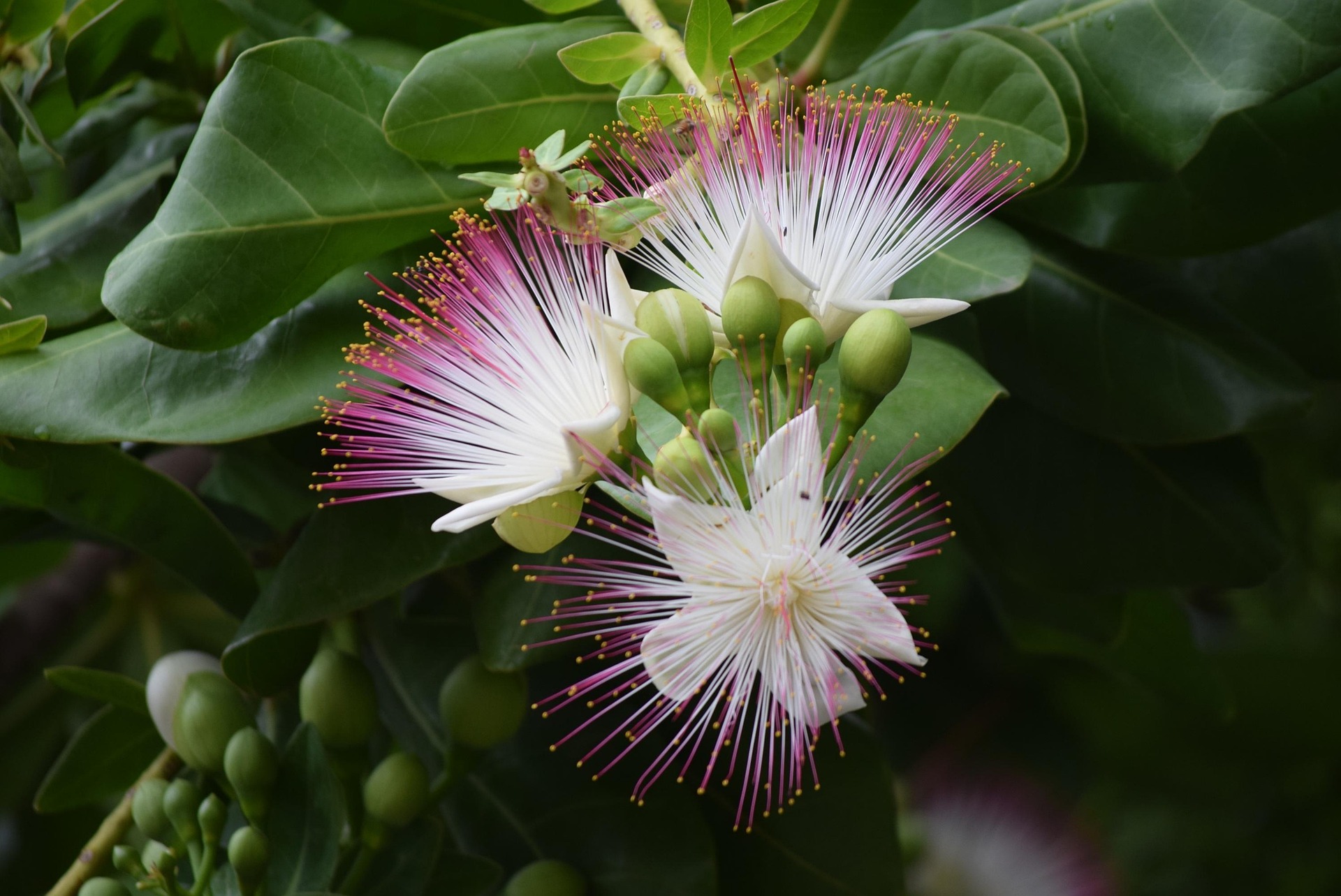
The tropical vegetation of the Philippines is characterized by exceptional biodiversity. Many plant species are endemic and found nowhere else in the world.
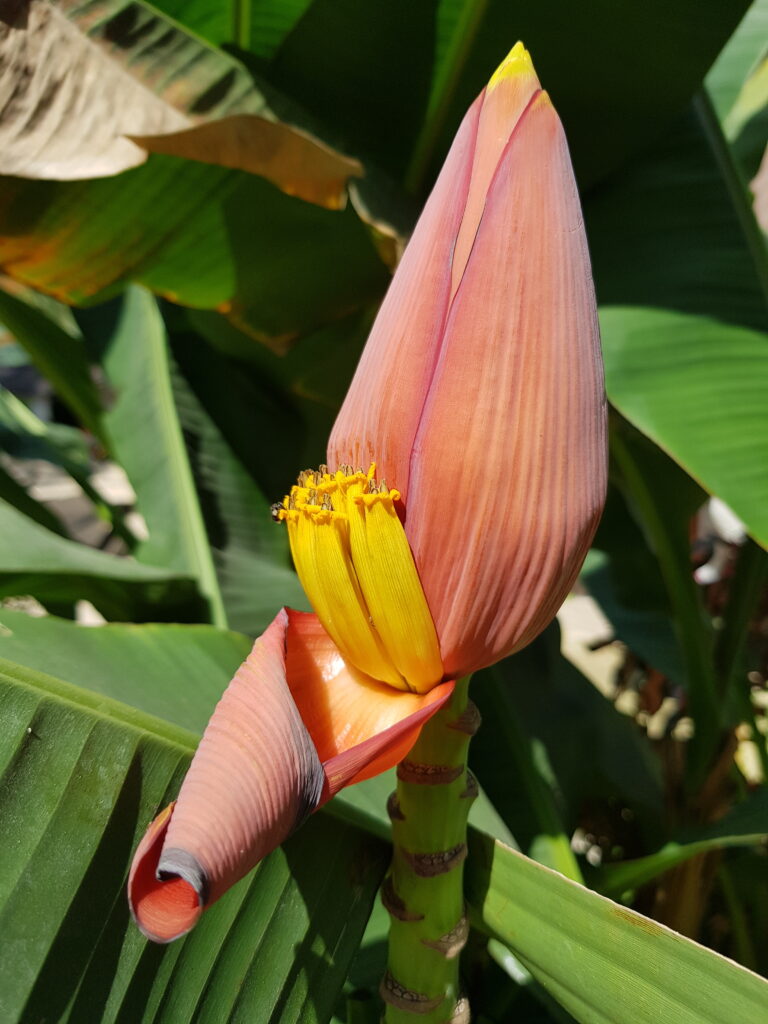
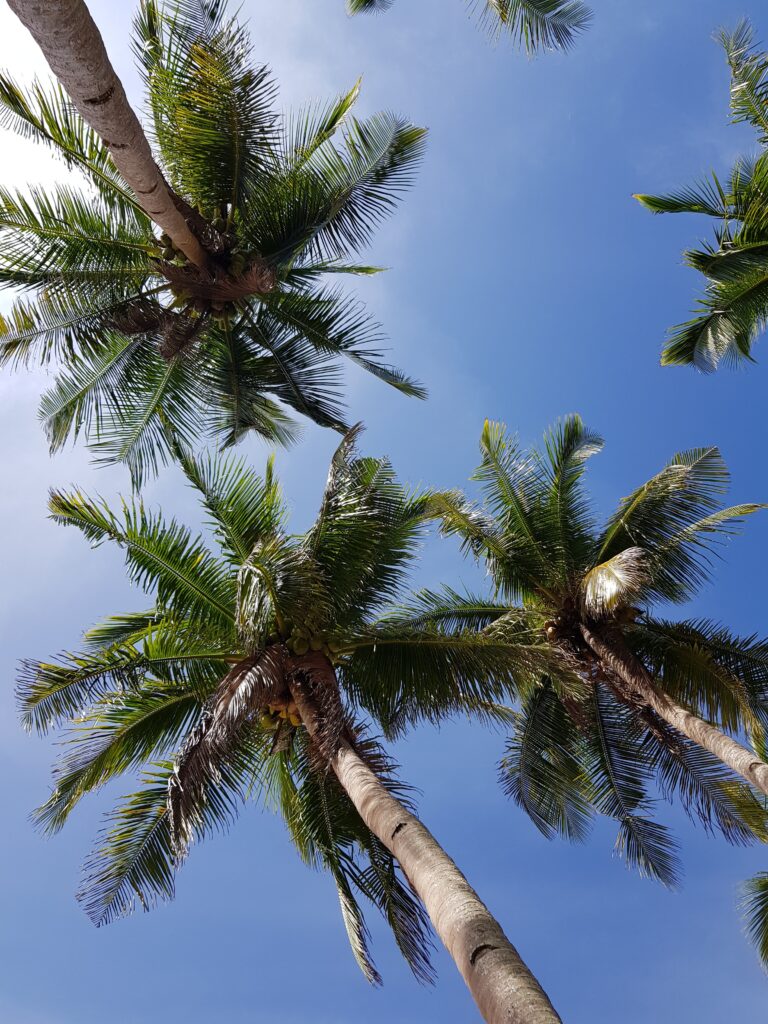
The national plants are particularly impressive: the Narra, the national tree, symbolizes strength, while the Sampaguita, the national flower, fills the air with its delicate fragrance. Banana plants, coconut palms and mango trees are essential food sources and an integral part of daily life. Colorful flowers like bougainvillea, hibiscus and ixora brighten many gardens. Orchids are especially fascinating, blooming here in remarkable variety. You’ll also encounter lesser-known plants such as the fish poison tree, taro and the aromatic ylang-ylang, whose blossoms are used in perfume production.
Wildlife
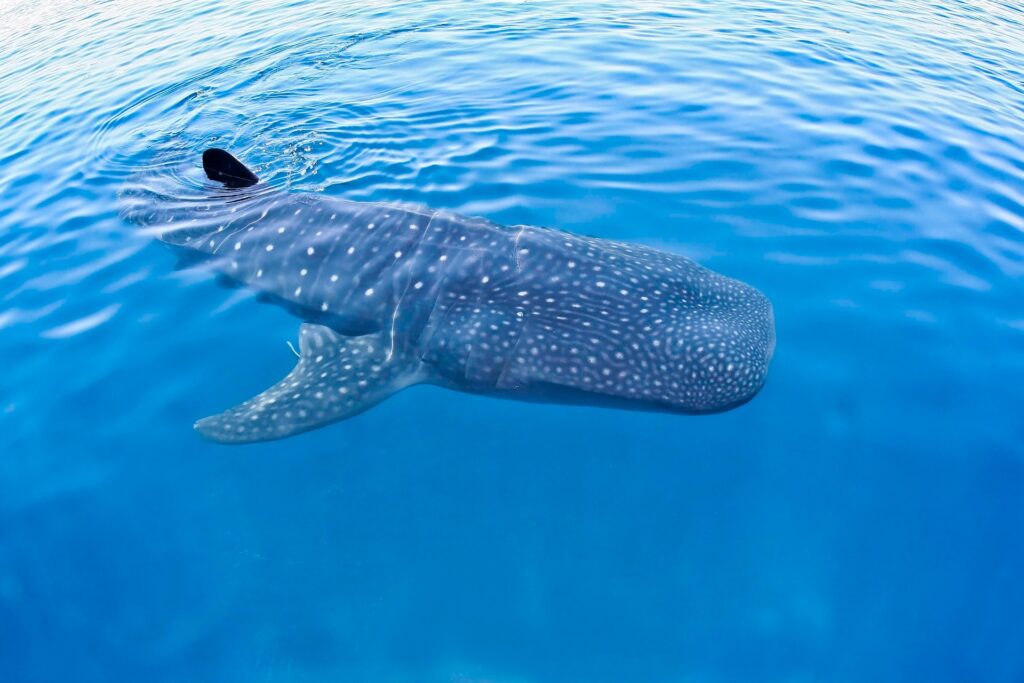
The Philippines is known for its rich biodiversity: from the tiny tarsier to the majestic Philippine eagle, many unique animal species can be found here – species that exist nowhere else in the world. Underwater, too, one encounters an incredible variety of life, from colorful nudibranchs to the mighty whale shark.
Land and People
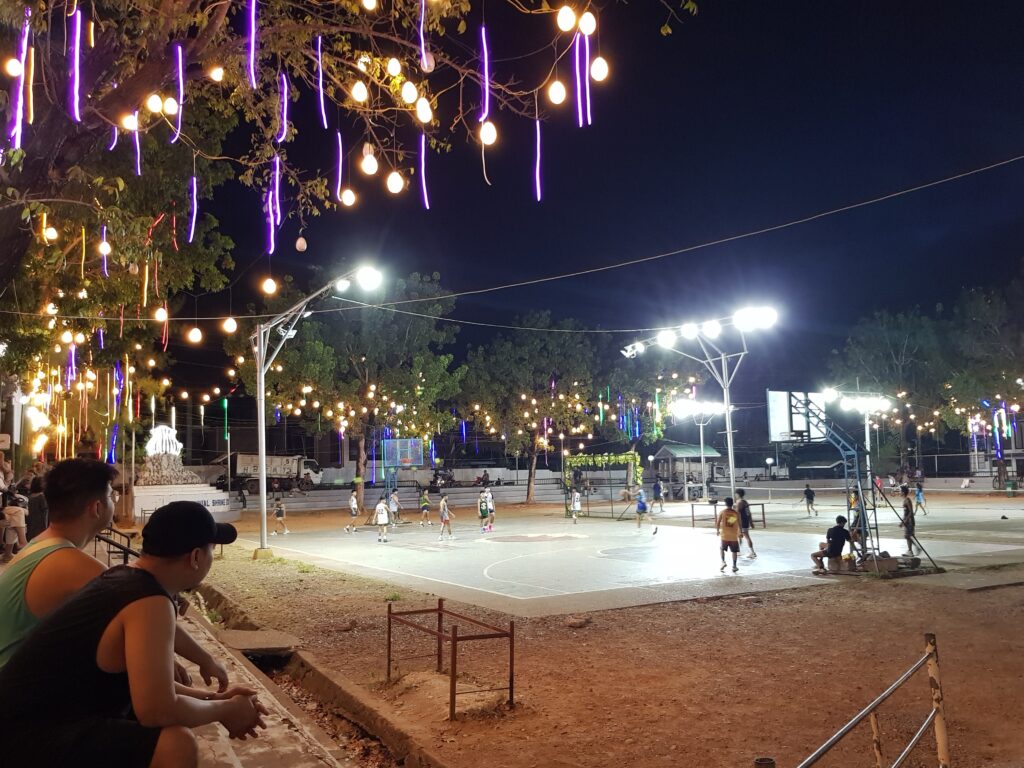
The Philippines is a land of contrasts, both culturally and geographically. Despite a colonial past and economic challenges, we were met by warm and joyful people. The society is characterized by hospitality and strong family ties.
Food and Drink
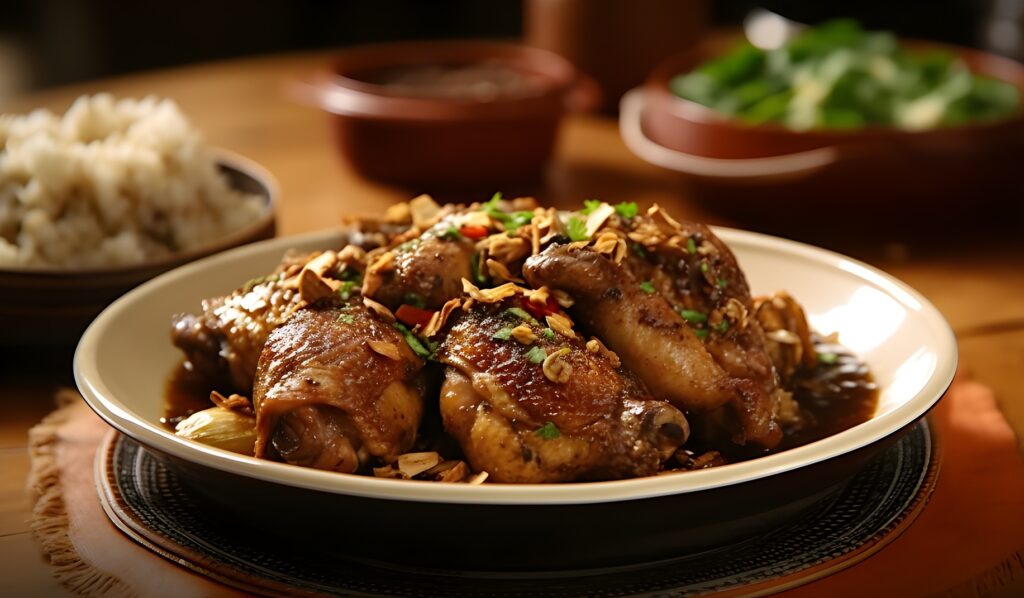
Philippine cuisine is diverse, blending Spanish, Chinese, American and Malay influences with local ingredients and traditions. At the same time, fast food is quite prevalent – especially in the cities, where numerous such restaurants can be found. However, it’s well worth venturing beyond them to seek out and try authentic traditional dishes like adobo or sinigang. This is where the true culinary soul of the country reveals itself.
Leave a Reply