



Sardinia
– Between Supramonte and the Mediterranean Sea –
Sardinia – Between Supramonte and the Mediterranean Sea
Sardinia is the second-largest island in the Mediterranean after Sicily. We spent several weeks in July along the east coast, focusing on the area around Orosei in the province of Nuoro as well as Bari Sardo in Ogliastra, one of the most sparsely populated regions of Italy. Quite unexpectedly, we encountered dolphins off the coast near Bari Sardo and wild boar in the city of Olbia.
Eastern Sardinia
Sardinia (Sardinian Sardigna, Italian Sardegna) is the second-largest island in the Mediterranean after Sicily and part of Italy. We spent several weeks in July exclusively along the island’s east coast and were pleasantly surprised in many ways.
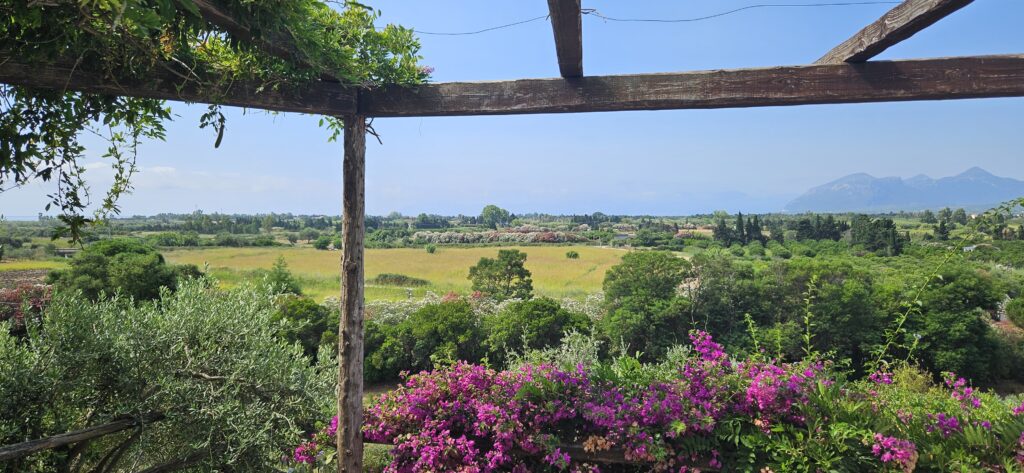
Our journey took us mainly to the area around Orosei in the province of Nuoro, as well as to Bari Sardo in the province of Ogliastra, one of the most sparsely populated regions of Italy. There, we stayed in beautiful, secluded holiday homes set in complete privacy, with spacious gardens – ideal for spending the days outdoors, listening to cicadas, and enjoying nature to the fullest.
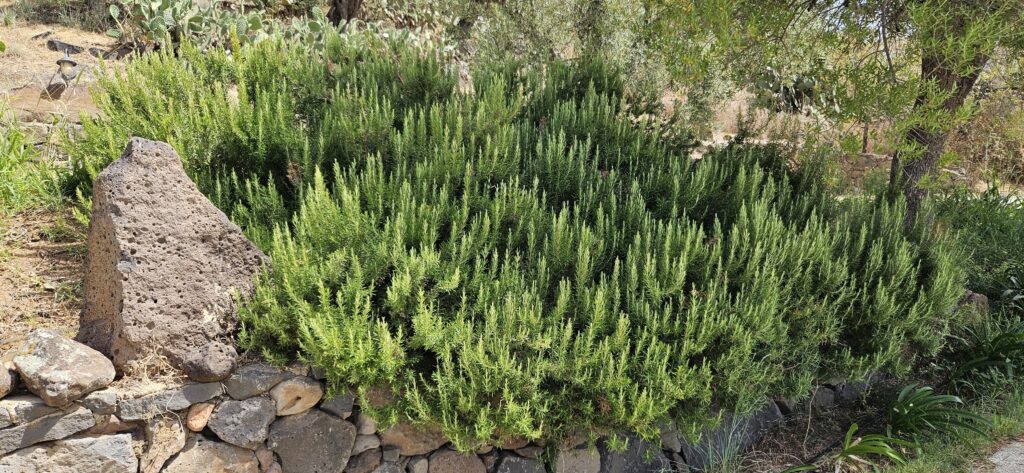
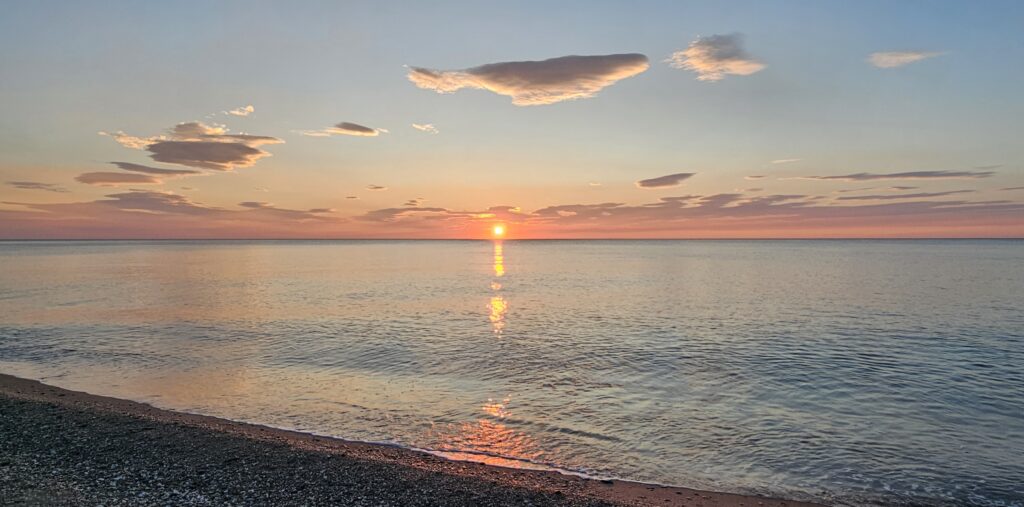
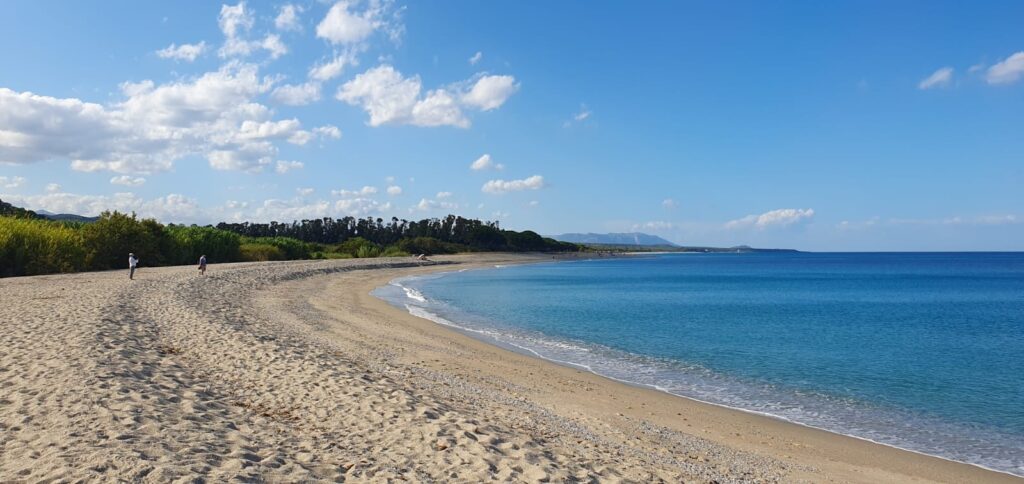
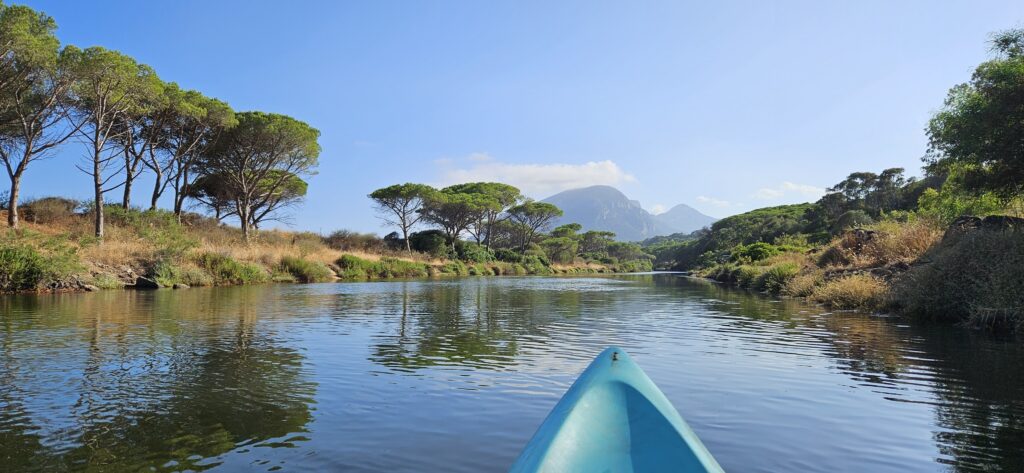
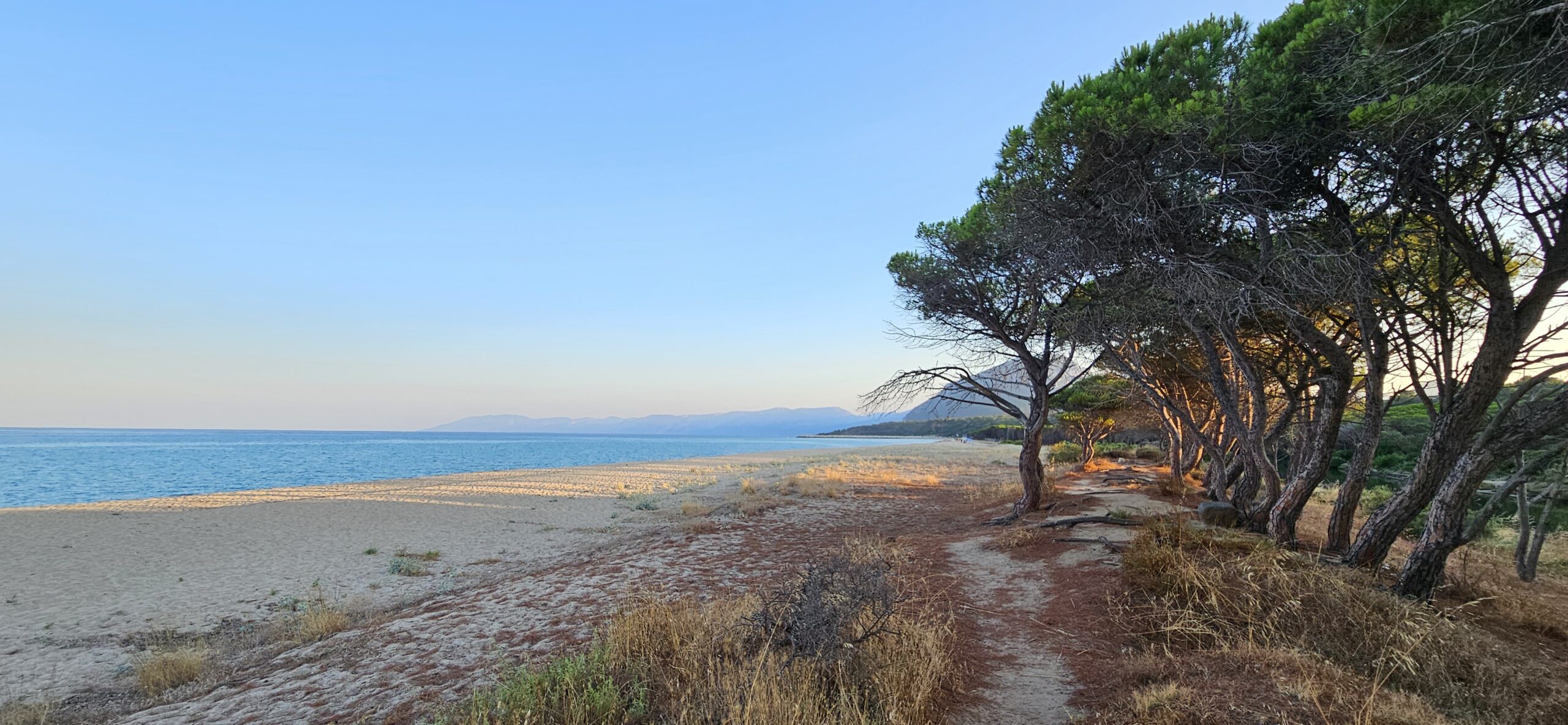
The landscape along the east coast is shaped by dense Mediterranean maquis, gentle hills, and the imposing Supramonte mountain range, whose rugged limestone plateaus in places extend almost to the sea, shimmering in shades of blue and green depending on the light. Most remarkable of all, even in midsummer we encountered almost deserted beaches. Away from the well-known hotspots, there was a sense of calm rarely expected in July.
Wildlife also offered unexpected moments: dolphins appeared off the coast near Bari Sardo, and even in the city of Olbia, we encountered wild boar.
Nature between Mountains and Sea
The provinces of Nuoro and Ogliastra are shaped by the wild Supramonte mountain range, whose steep limestone cliffs plunge in places directly into the sea. The coastlines, almost deserted even in peak season, are a paradise for those seeking peace and quiet. Pine forests fringe the beaches and provide welcome shade – ideal for anyone who wants to enjoy the sea without spending the entire day in the blazing sun.
Further inland, dense holm oak forests alternate with remote plateaus. Scattered everywhere are small, rustic villages set among ancient olive groves, vineyards, and fragrant maquis, which carpets the rugged, sun-drenched landscape. This typical form of Mediterranean scrubland is found mainly in the coastal and mountain regions of southern Europe, especially in Sardinia.
Culinary Delights & Hospitality
Anyone wanting to discover Sardinia should take their time – for long lunches and dinners, for the scent of herbs in the maquis, and for conversations with the locals. In the small restaurants and bars you immediately feel welcome, as people here always take the time for a warm greeting and a friendly chat.
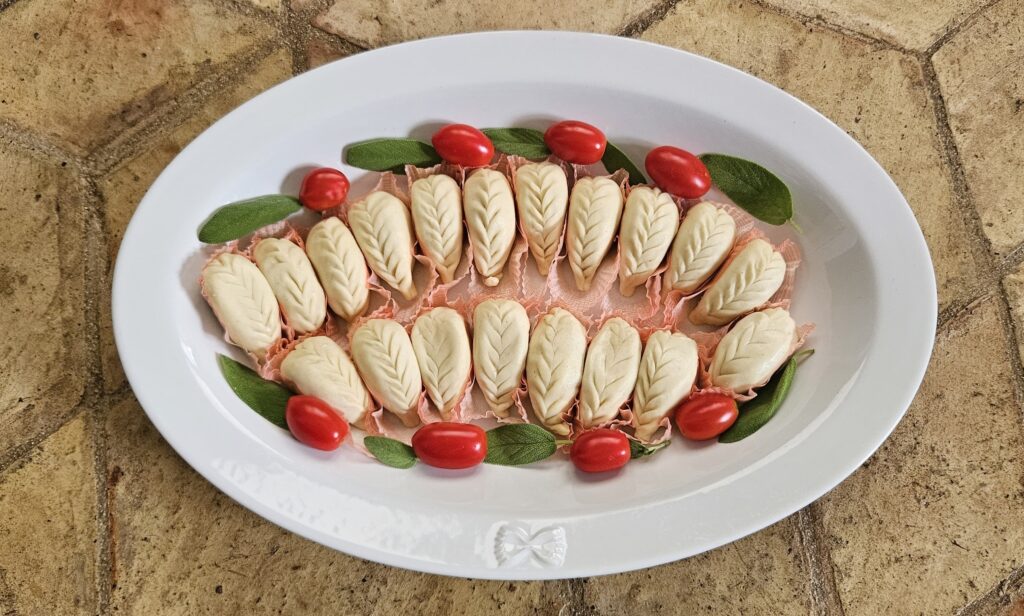
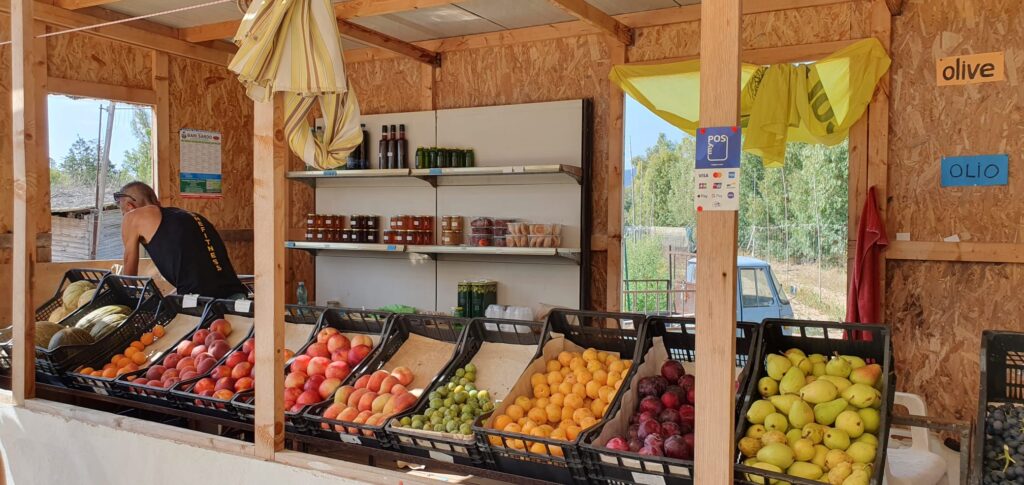
We were especially delighted by the local fruit and vegetable stalls: fresh from the farm or garden, we found everything we needed for our own meals – from fruit, vegetables, salad, and herbs to sheep’s cheese, eggs, and olive oil, as well as wine, almonds, and jam. There were even homemade specialties on offer, which of course we had to try. A true delight!
Leave a Reply