



Philippines
– Landscape –
- Karst Rocks
- Coasts
- Coastal Vegetation
- Coral Triangle
- Habitat
- Scaevola taccada
- Screw Pine
- Mangrove
- Beaches
- El Nido
- Bacuit Bay
- Coron
- Sogod Bay
- Pintuyan
Landscape in the Philippines
Karst Rocks
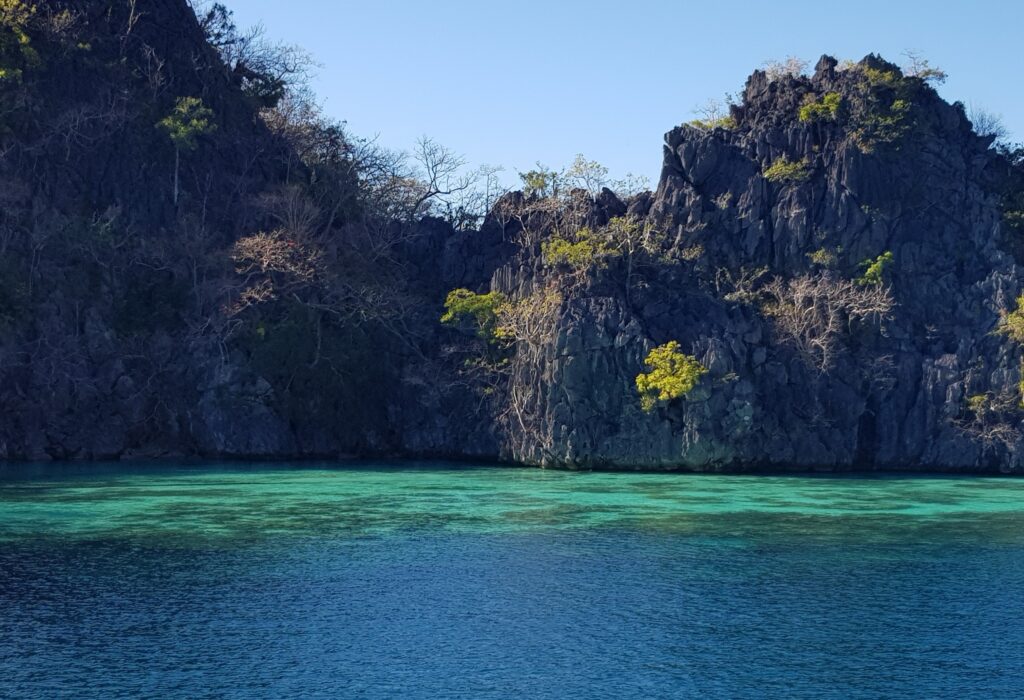
Karst rocks are not only geologically fascinating but also visually striking. These are prominent limestone formations that have been shaped by water over thousands of years. They develop in what are known as karst landscapes – areas with water-soluble rock such as limestone or dolomite. When slightly acidic rainwater seeps into fine cracks in the rock, it slowly dissolves the limestone. Over time, this process creates fissures, caves, underground rivers and spectacular, often steep rock walls.
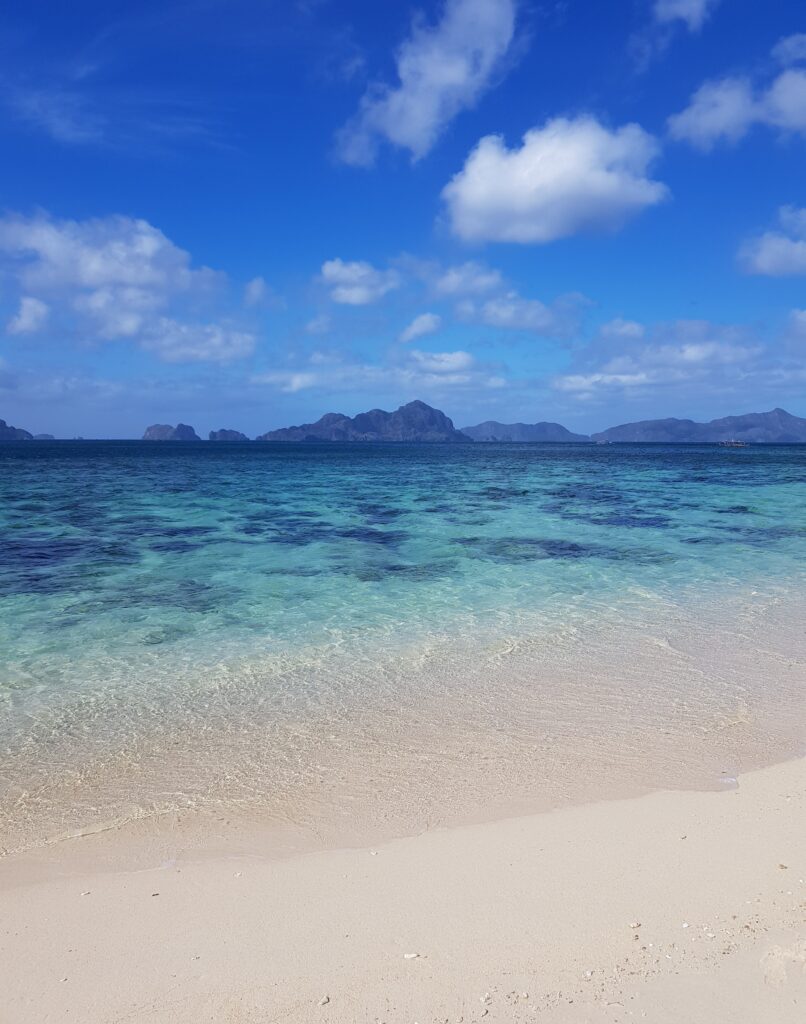
Typical of karst formations is their rugged, dramatic structure. Many karst rocks rise needle-like or tower-like into the sky and are often covered with dense vegetation. They are especially impressive when found in conjunction with water, such as in coastal regions or river valleys. One of the most famous examples worldwide is the rock formations in Bacuit Bay in El Nido.
The term “karst” originally comes from a region called Karst (Slovenian: Kras), located on the border between Slovenia and Italy. This area is known for its barren, rocky landscapes featuring caves, underground rivers and sinkholes (depressions in the landscape caused by the dissolution or collapse of underground limestone).
Coasts
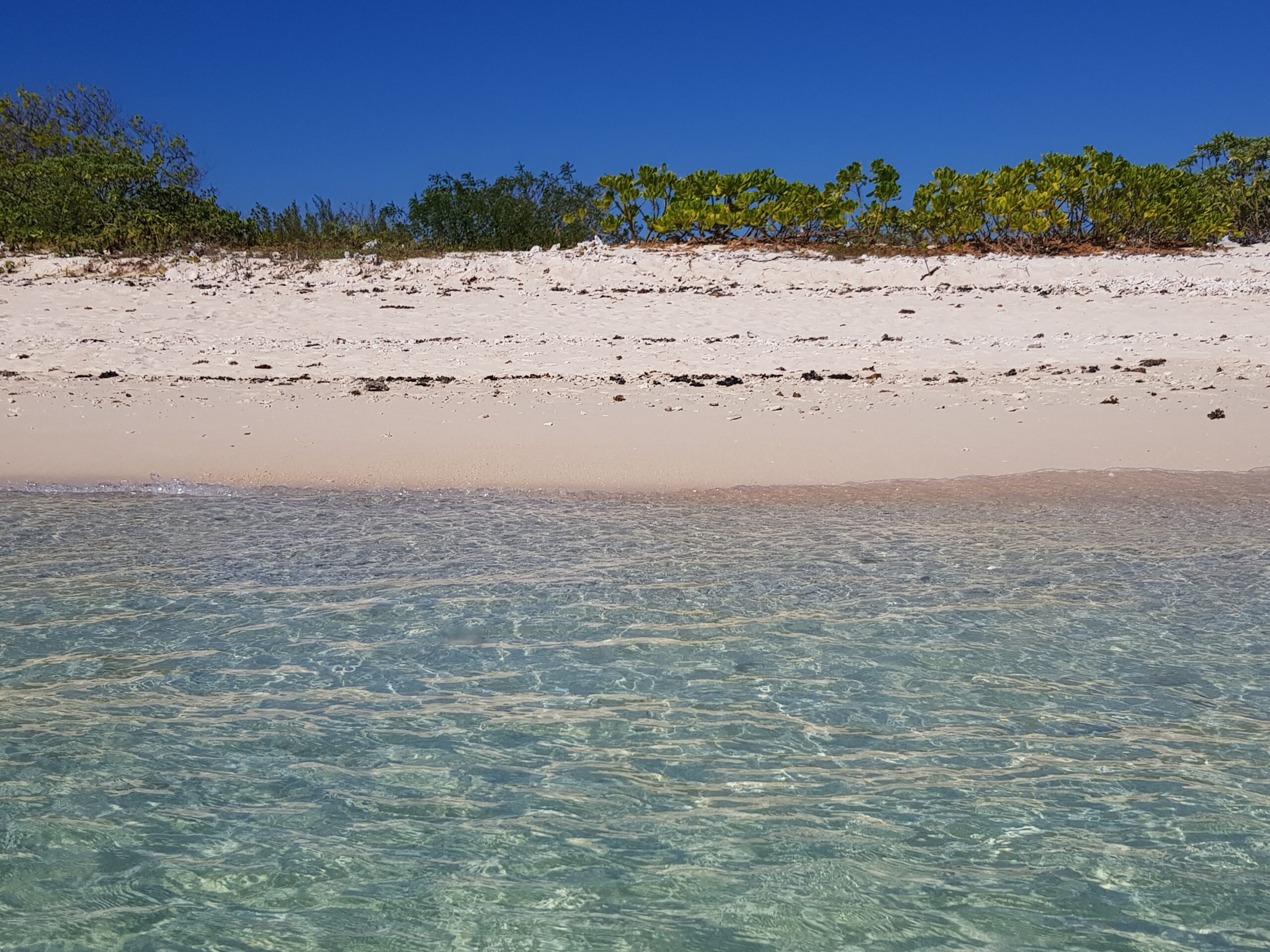
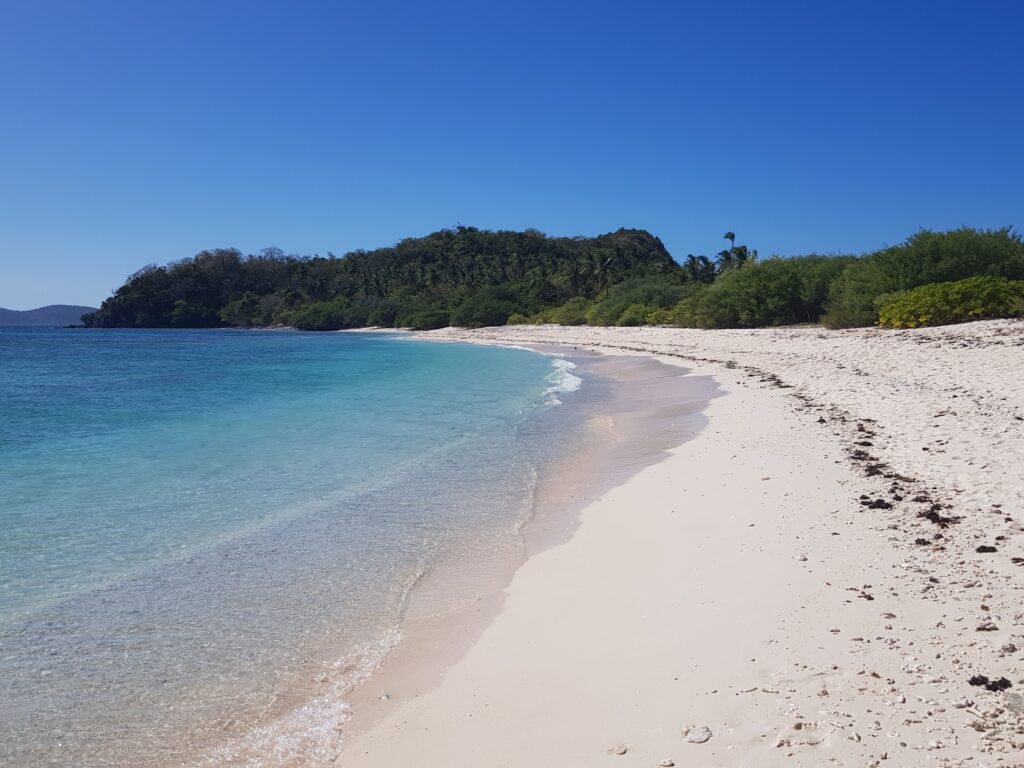
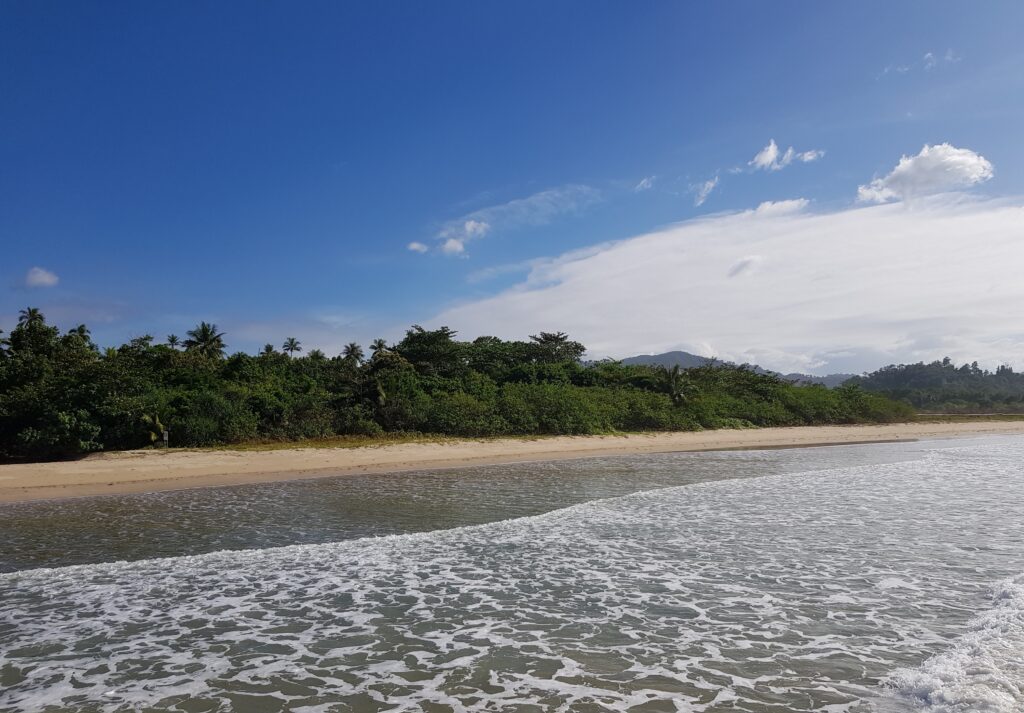
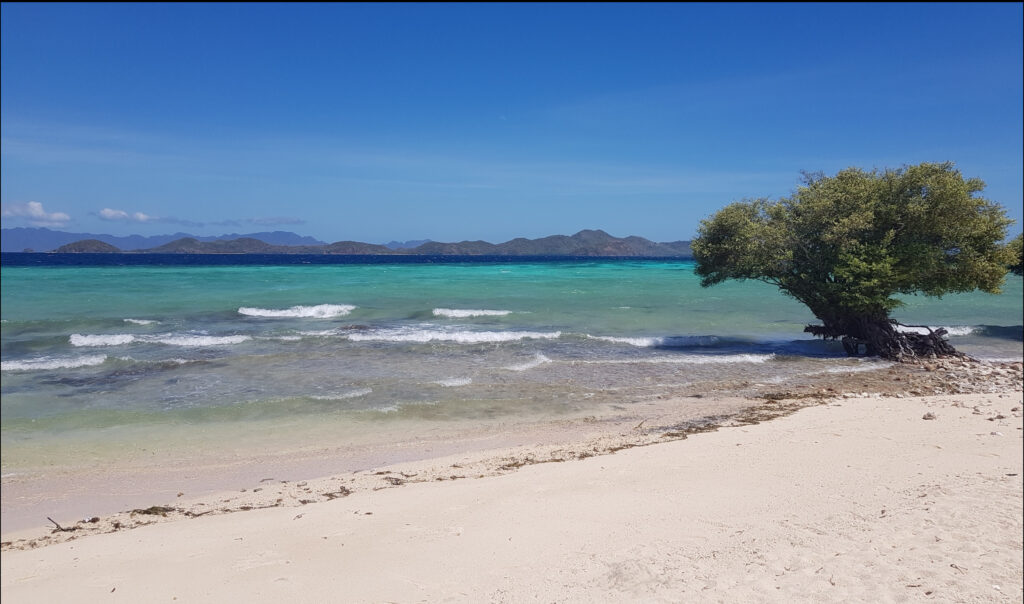
With over 7,600 islands, the Philippines boasts one of the longest coastlines in the world – and hardly any stretch looks the same. From fine sandy and picturesque pebble beaches to rugged rocky shores, lush mangrove forests, and mysterious lagoons, this island nation offers an impressive variety of coastal landscapes.
Coastal Vegetation
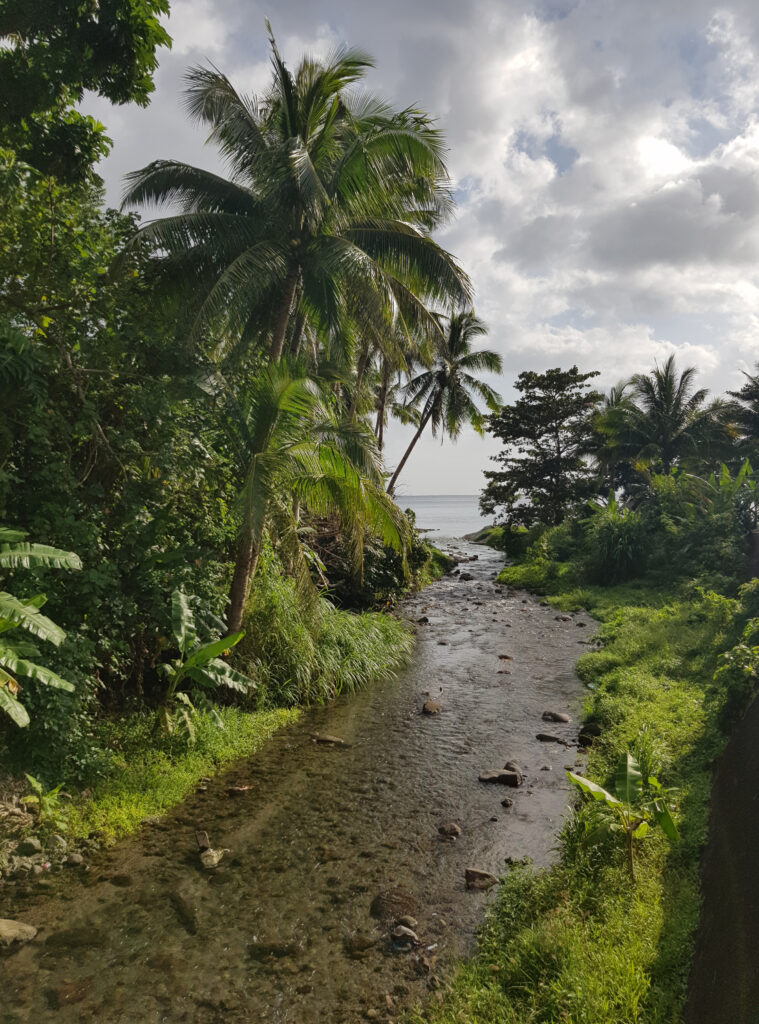
In many places, tropical vegetation meets the sea directly: screw pines with their distinctive stilt roots, dense coastal forests and plants like Scaevola taccada shape the landscape. Mangroves growing right in the shallow water play a crucial role in coastal protection. Their roots stabilize the sandy ground, filter sediments (meaning they help prevent mud and sand from being washed away, allowing it to settle instead – which protects both the coastline and marine ecosystems) and provide vital habitats for countless marine creatures. Young fish and crabs, for instance, use these areas as nurseries.
Coastal vegetation not only prevents erosion but also reduces storm damage – an invisible yet essential protective barrier in a country regularly affected by typhoons.
Coral Triangle
The Philippines are part of the so-called Coral Triangle, a vast marine region in the tropical Indo-Pacific. It is considered the most biodiverse marine ecosystem on Earth – and the Philippines lie at the very heart of this biological hotspot.
What makes this region so special is that it is home to more than 75 percent of all known coral species and around 2,000 species of reef fish. Turtles, sharks, manta rays, and whale sharks also inhabit the Coral Triangle, along with countless smaller creatures such as seahorses, shrimp, and brightly colored sea slugs like Chromodoris annae.
However, the Coral Triangle is extremely vulnerable: coral bleaching, overfishing, dynamite fishing, and plastic pollution threaten this delicate balance and can destroy entire habitats. This makes it all the more important to protect the region and experience it responsibly.
Regardless of these factors, natural conditions also shape the distribution of coral reefs. In the Philippines, reefs rarely grow directly along exposed coastlines because heavy rainfall regularly washes fine sand and silt from the land – often via rivers – into the sea. These sediments settle on the seabed, blanket the shallow, karstic coastal areas of limestone and rock, and also accumulate on existing corals. As a result, corals struggle to establish a stable foothold and thrive over the long term.
Because corals grow very slowly, even annual re-covering of the seabed and the corals by sediments is sufficient to hinder their growth. As a result, even extended dry periods in between are not enough for stable coral reefs to develop.
Habitat
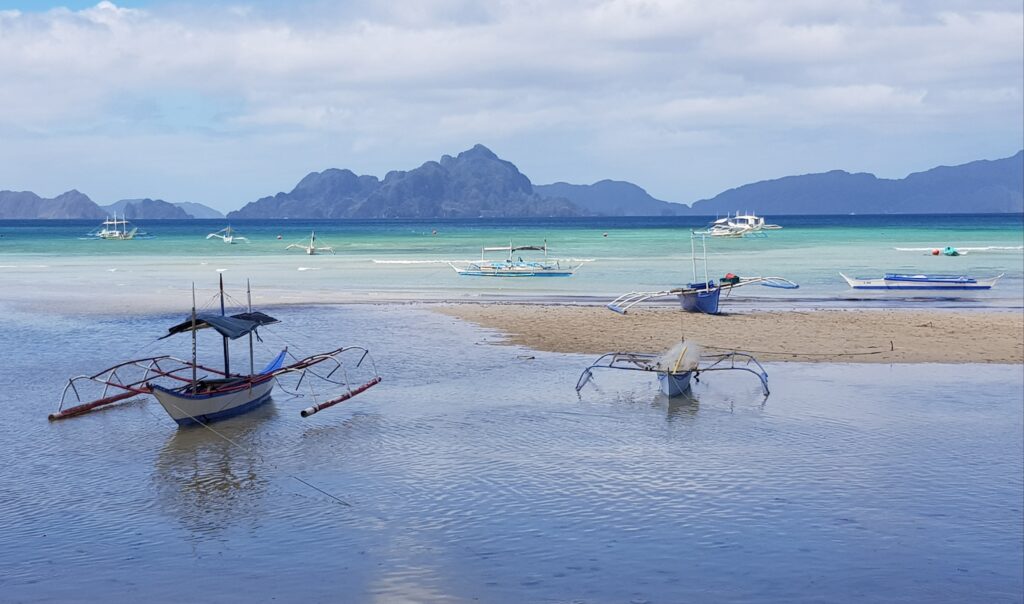
The coasts of the Philippines are not only scenic natural landscapes but also vital habitats and livelihoods for millions of people. Fishermen, especially with their narrow outrigger boats (bangka), are a common sight along the shores. Life here follows the rhythm of the sea. At the same time, these coastal areas are fragile. Visitors are encouraged to enjoy their beauty while also being mindful of their protection.
There are officially four climate zones, which differ mainly in the distribution of rainy and dry seasons. These climate zones influence agriculture and tourism and provide clues as to where and when heavy rainfall or typhoons may occur.
Scaevola taccada
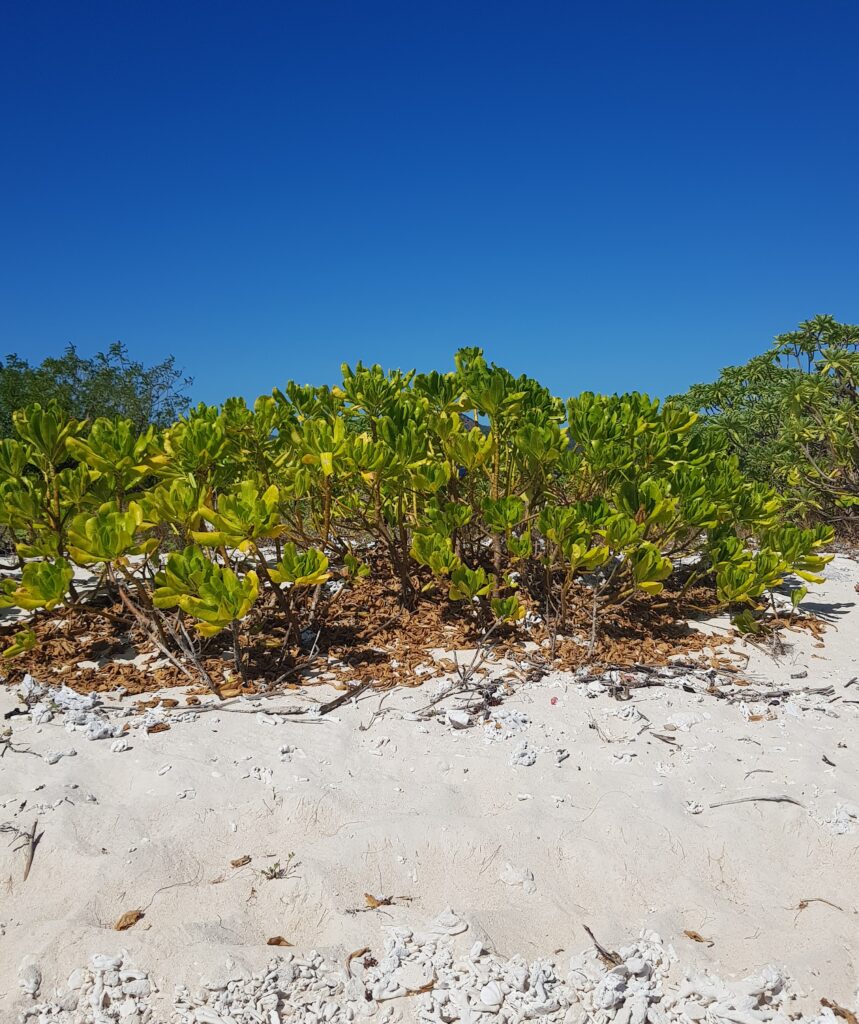
A characteristic coastal plant that often grows directly by the sea on sandy soil is Scaevola taccada, also known as naupaka, beach cabbage or sea lettuce. Despite these names, the plant is not suitable as a food source. Its fleshy leaves, up to 25 cm long, contain bitter and potentially irritating compounds. In some tropical regions, however, they were reportedly used asfamine food when no other options were available. Since many salt-tolerant coastal plants contain ascorbic acid, it is suspected that the fruits of Scaevola taccada may also contain small amounts of vitamin C. In the traditional medicine of Asia and Oceania, parts of the plant are used externally, for example, to relieve skin irritation or inflammation.
Scaevola taccada grows up to three meters high and forms dense, bushy structures whose roots help stabilize the sandy soil, protecting it from coastal erosion. For sea turtles that come to the beaches to lay their eggs, the shrub provides a shady and protected environment. Like a natural barrier, it also shields more delicate vegetation from salty sea spray.
The plant displays its characteristic, fan-shaped, white to cream-colored flowers throughout the year. Its floating fruits are dispersed by ocean currents. On newly formed sandbanks in tropical regions, Scaevola taccada is often the first plant to establish itself – a true pioneer plant!
Screw Pine
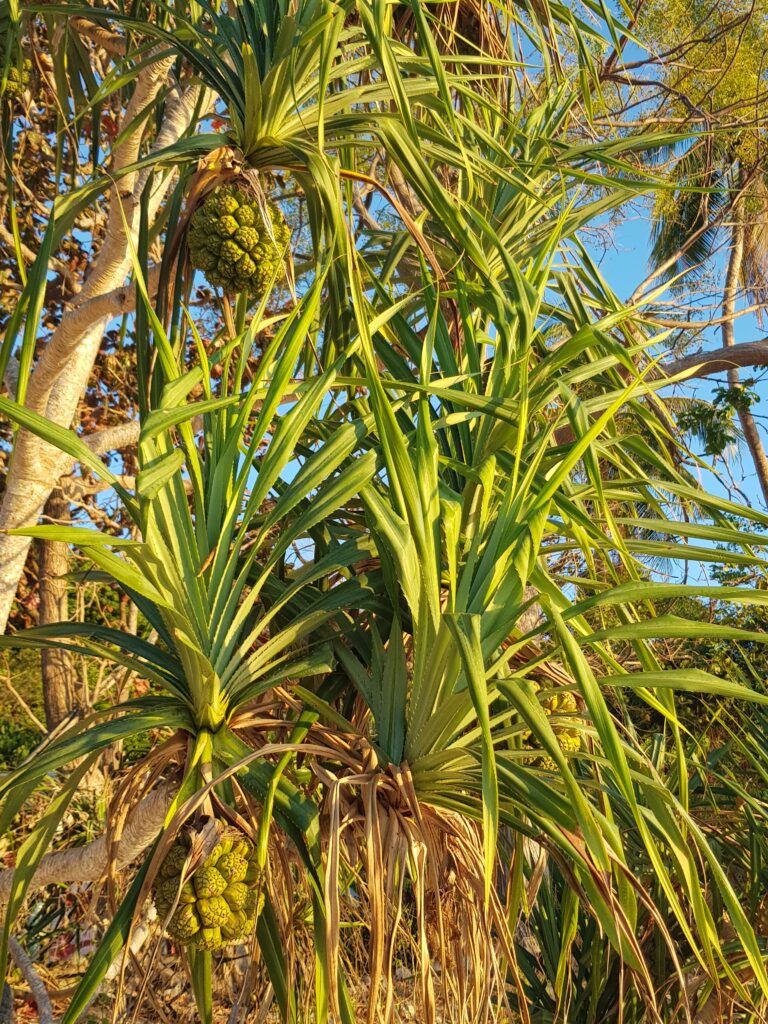
The evergreen screw pine, also known as screw palm (Pandanus), includes more than 600 species worldwide and typically grows near the sea. It looks like a cross between a dragon tree and a mangrove. Its name comes from the spiral arrangement of its long, narrow leaves, which twist around the trunk or branches like a screw. A distinctive feature of the screw pine is its aerial or stilt roots. Both types of roots can absorb water (aerial roots absorb rainwater), while the stilt roots also provide structural support.
The plant’s individual fruits, or drupes, develop from the flowers of an inflorescence and fuse into a single fruit unit. When unripe, they are green; when ripe, they turn orange-red and resemble a pineapple. Even when dried, the fruits look very interesting. Some species produce edible fruits, such as Pandanus tectorius (also called Pandanus odoratissimus), Pandanus utilis and Pandanus julianettii. When many screw pines grow close together, they create an almost magical forest-like atmosphere.
Mangrove
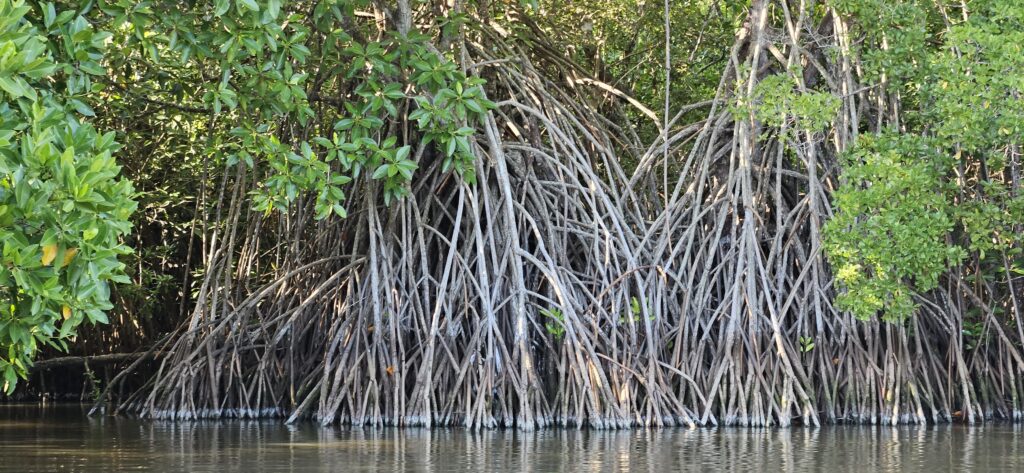
Mangroves are commonly found in tropical coastal regions. Their highly developed root system enables them to survive in challenging environments such as salty water and oxygen-poor mud.
Mangrove is an ecological term, not a botanical one. It encompasses various plant species that grow in the tidal zones of tropical coasts. On the islands, there are approximately 35 to 47 different mangrove species, depending on the source and classification. The Philippines is therefore among the countries with the greatest mangrove diversity worldwide.
Mangrove forests form a fascinating ecosystem that provides habitat for countless animals: from fish, crabs and shrimp to mussels, snails and insects, as well as birds, amphibians and reptiles. The trees and shrubs serve as safe refuges for young animals, sources of food and hunting grounds.
Like the hardy beach cabbage, mangroves play a vital role in coastal protection: they slow down storm surges and prevent erosion, thereby protecting both nature and people.
Beaches
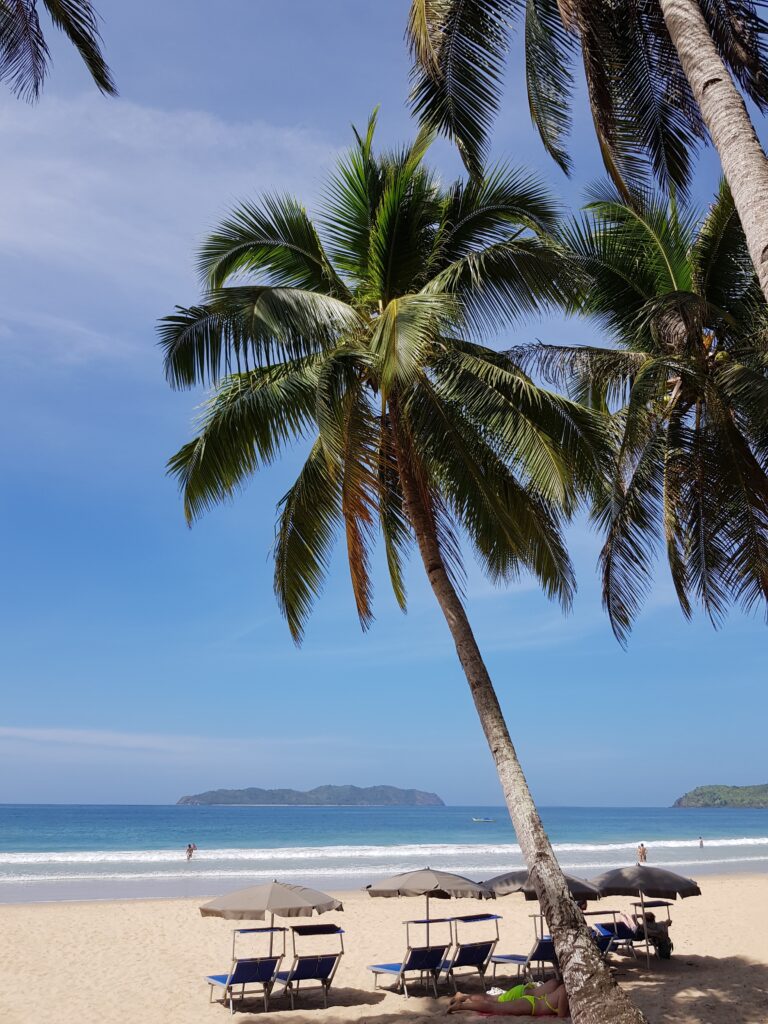
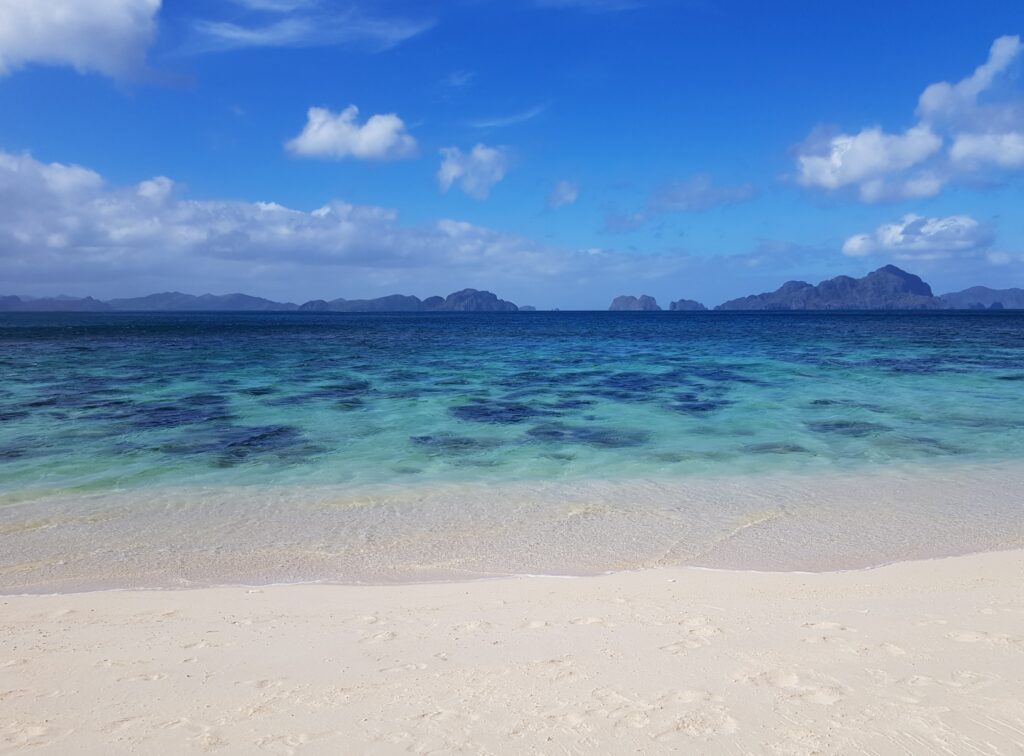
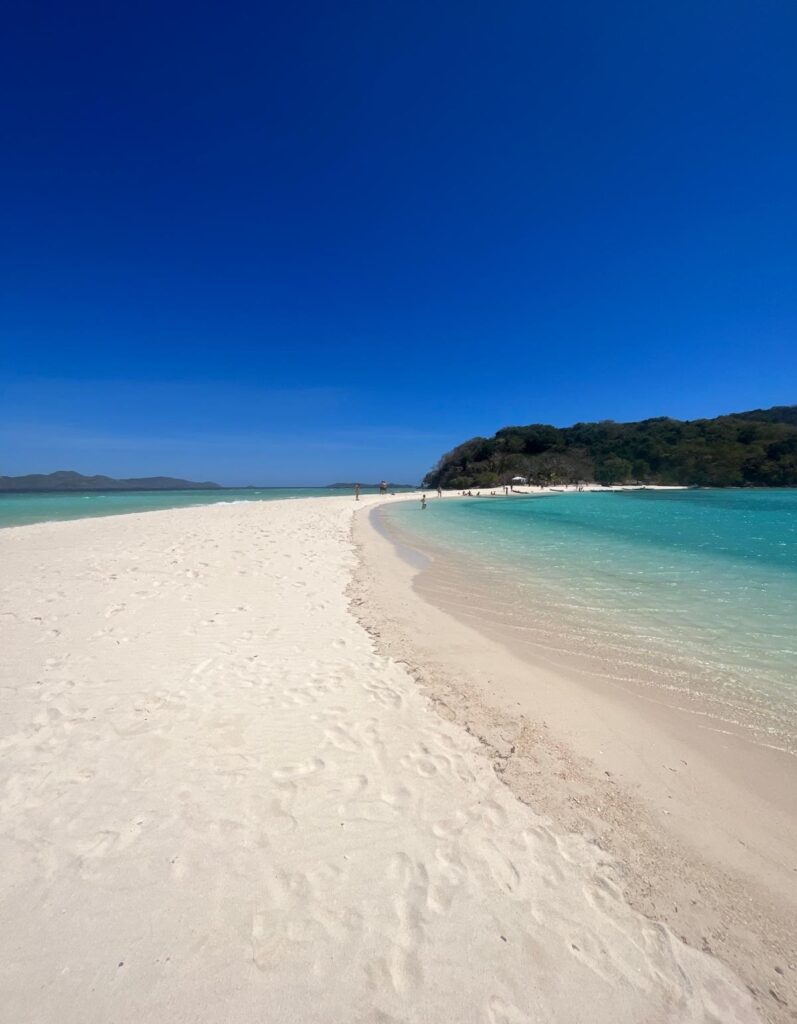
The Philippines is a true paradise for beach lovers. Across its 7,641 islands, countless beaches can be found, featuring fine sand that ranges from powdery white to golden hues. There are also many shores lined with pebbles. The waters display every shade of blue and green, framed by impressive rock formations. The options range from virtually untouched, secluded natural beaches to lively tourist hotspots.
The beaches of the Philippines thus offer the perfect experience for every taste. Those willing to venture off the beaten path will be rewarded with stunning nature and plenty of tranquility.
El Nido
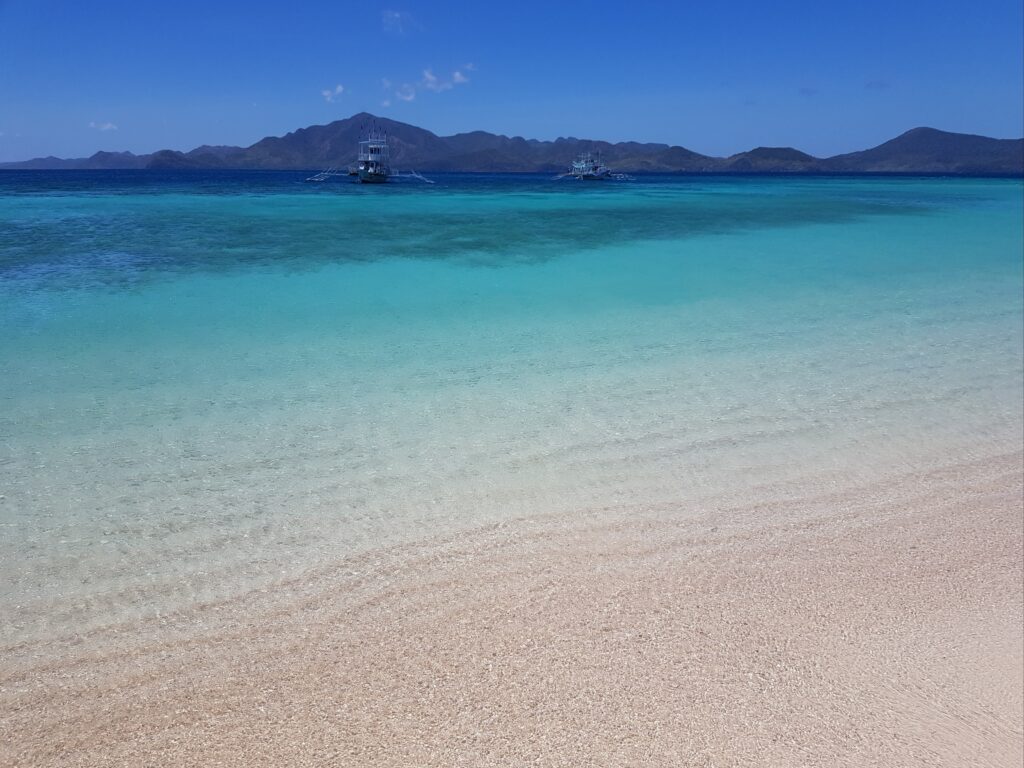
El Nido on the island of Palawan is famous for its spectacular island and rock formations, turquoise waters, hidden lagoons, and white sandy beaches. The surrounding Bacuit Bay is considered one of the most beautiful natural settings in the Philippines and is perfect for exploring by boat or canoe. As stunning as the landscape is, El Nido felt a bit too crowded for us.
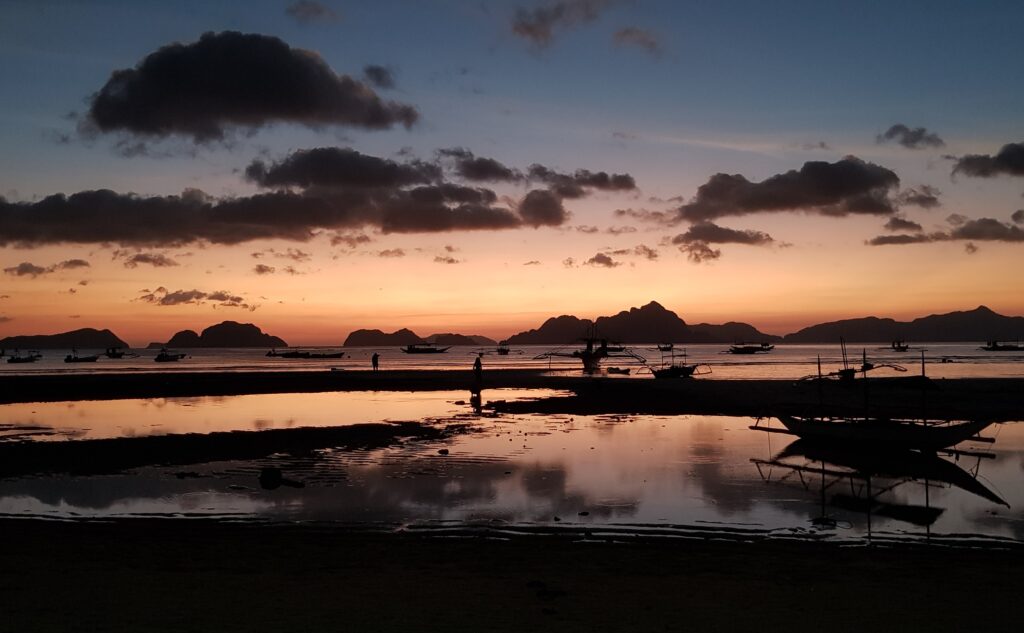
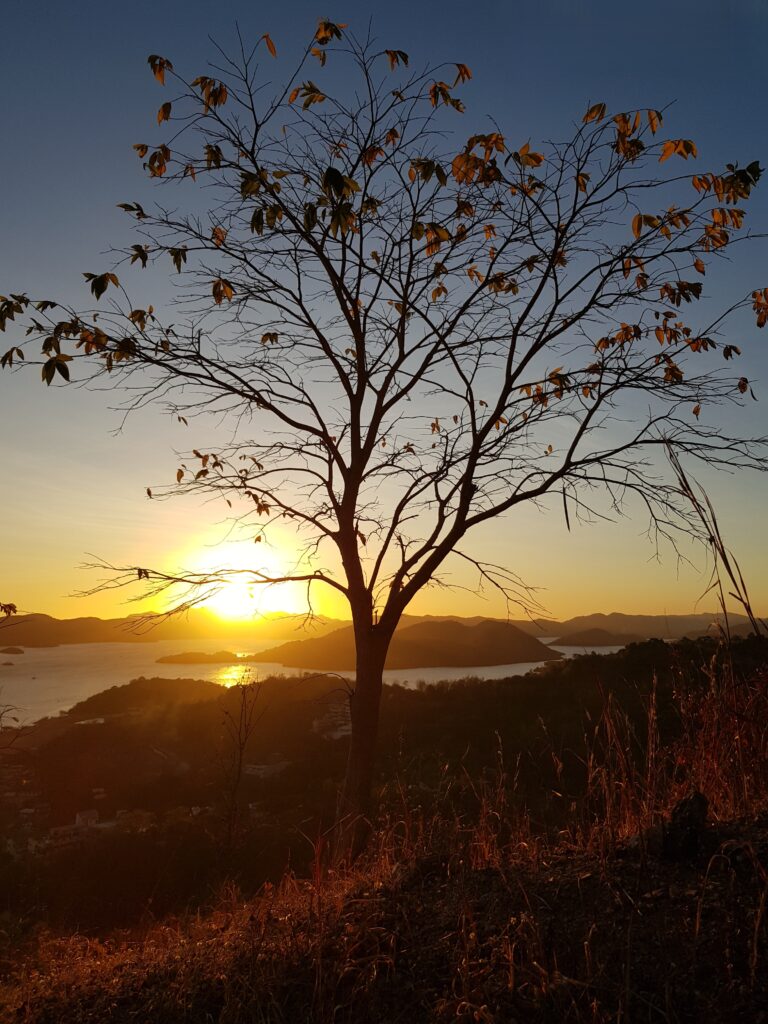
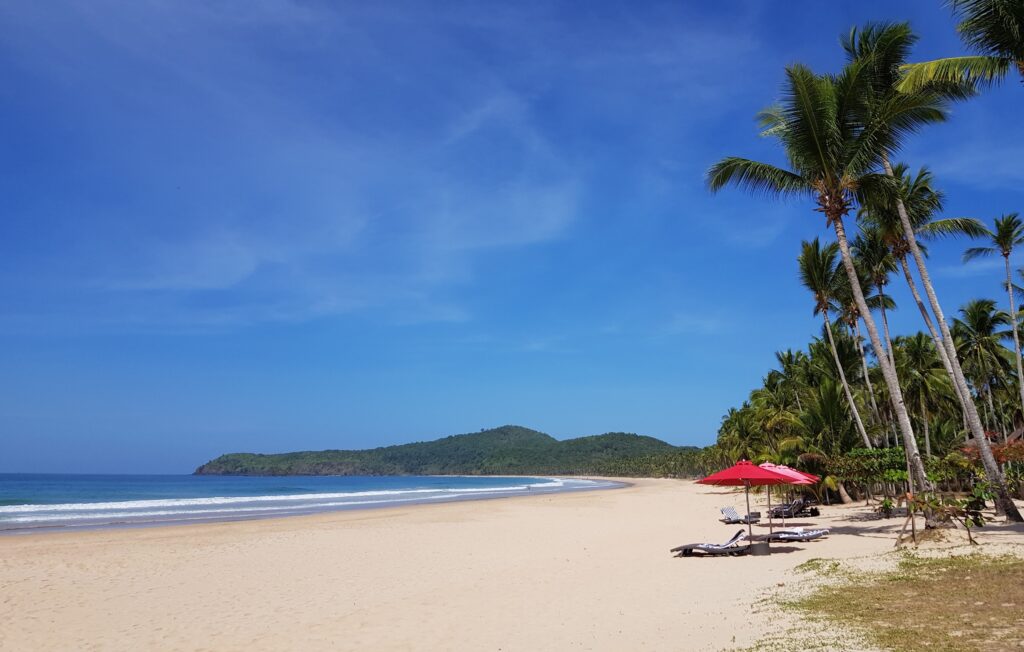
Those seeking peace will find it in the northern part of the island: there is a kilometers-long stretch of golden sand lined with coconut palms, barely developed and with few people. Nearby, two beaches meet – creating a unique scene, especially at sunset. For romantic evenings, a visit to the south is worthwhile, where you can enjoy a calm atmosphere while watching the sky glow in shades of orange.
Bacuit Bay
A special highlight was our early canoe trip into Bacuit Bay. We were on the water as early as 6 a.m. to beat the later rush of tourists. For this, we specifically looked for a provider willing to rent us a canoe that early. The atmosphere in the rising sun, the gentle splash of the paddles, and the majestic limestone islands emerging from the mist created an almost surreal natural experience. The silence and beauty of those early hours remain among the most unforgettable memories of our trip.
Coron
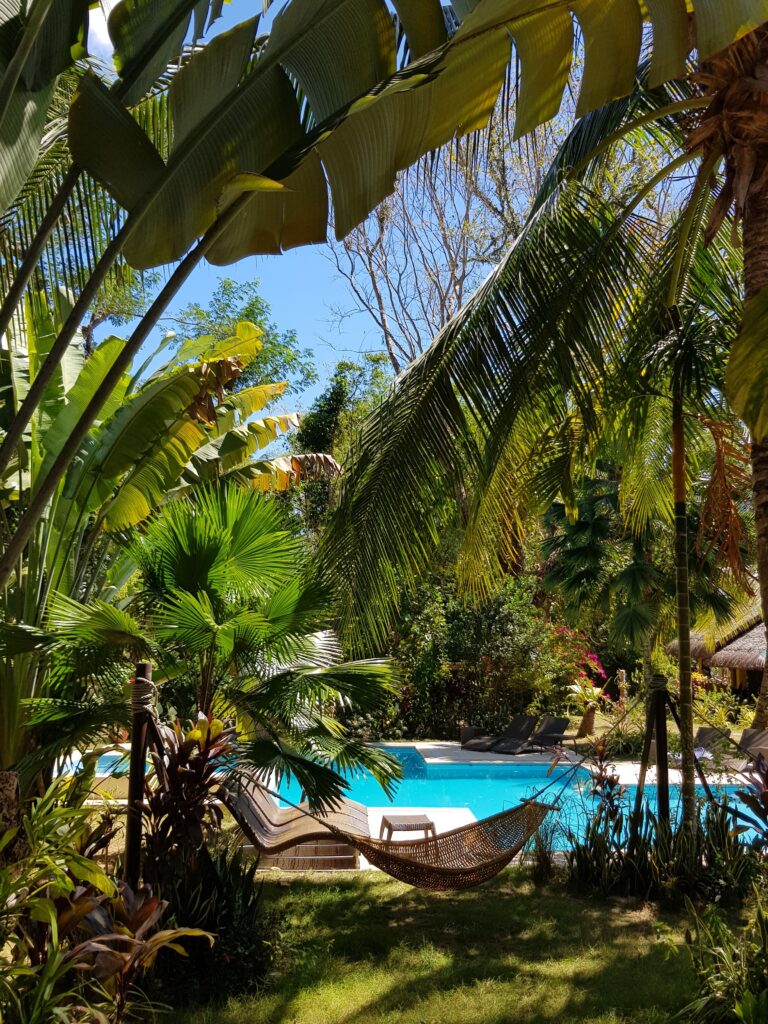
After several days on the boat, we arrived in Coron on Busuanga Island in northern Palawan and took a break on land. Our accommodation was very peaceful, surrounded by greenery, and featured a large garden – perfect for relaxing and spending the day reading or observing nature. Around our lodging, in a neighborhood mostly inhabited by locals, we used the time for walks and often struck up conversations with the friendly residents. Spending time this way was so fulfilling for us that we didn’t take any trips to the region’s well-known attractions.
In the evenings, we often headed to nearby Coron Town. The small harbor town felt lively without being overcrowded and had a pleasant atmosphere. A special experience was the climb to the viewpoint on Mount Tapyas. After about 700 steps, we were rewarded with a wide panoramic view of the island landscape. The moment was especially magical at sunset, accompanied by gentle live music.
Sogod Bay
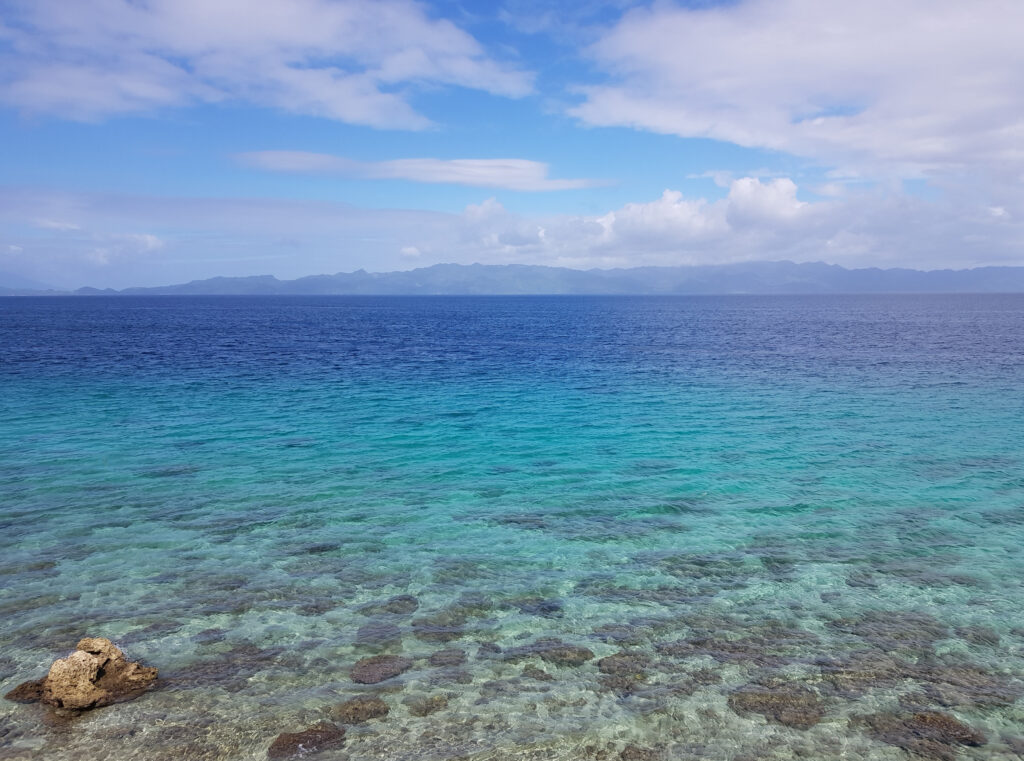
Off the beaten tourist path lies Sogod Bay in the southern part of Leyte Island, a quiet and largely undiscovered region. The bay is characterized by gentle hills and a sea that shimmers in every shade of blue and green.
Its largely intact underwater world is particularly impressive. Species-rich fringing reefs and steeply sloping reef walls provide habitat for a remarkable diversity of corals and fish. We were fortunate to observe whale sharks in the wild, which seasonally frequent the bay, following plankton-rich currents.
Despite human impacts, Sogod Bay is considered one of the best-preserved marine ecosystems in the Philippines and an exceptional destination for divers and snorkelers who value tranquility, nature, and biodiversity.
Life on land is equally relaxed. We spent our time in the small towns of Padre Burgos, Sogod and Pintuyan, scattered along the coast, where you can stroll among fishing boats and enjoy the sunset almost all alone. For those seeking nature away from noise and bustle, Sogod Bay offers a quiet, strikingly beautiful landscape.
Pintuyan
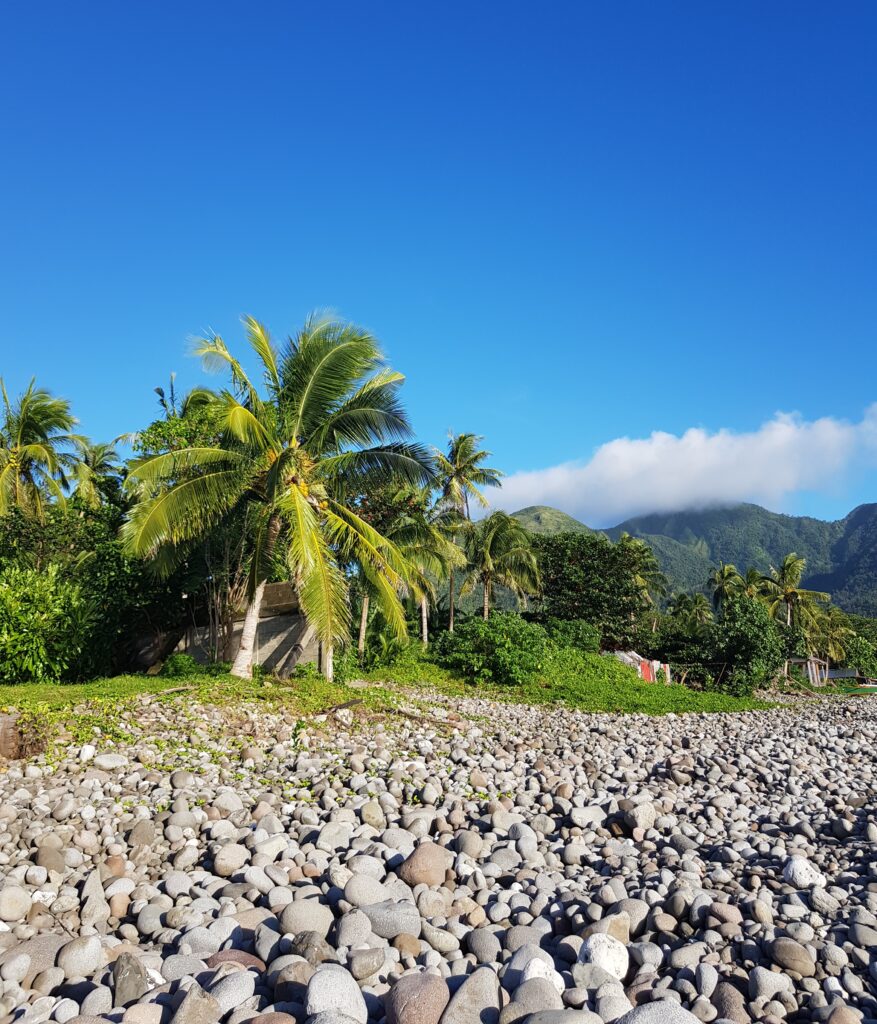
Pintuyan, located on Panaon Island in the province of Southern Leyte, already radiates a South Seas vibe. Instead of the typical white sandy beaches, you’ll find quiet, natural pebble shores where the clear waters of Sogod Bay gently lap the shore. The landscape of lush, fertile green hills, scattered fishing boats, and abundant palm trees gives the place a peaceful, tropical atmosphere. Pintuyan is ideal for travelers who want to experience the authentic island life of the Philippines – relaxed and unspoiled.
But the real highlight lies beneath the water’s surface: Pintuyan is known as one of the best places in the Philippines to see whale sharks in the wild – without feeding or mass tourism. These gentle giants regularly pass through the bay, and with some luck, you can get up close to them while diving or snorkeling. For us, this place is truly special, as it is where we earned our diving certification – amid a protected, largely intact, and vibrant underwater world.
Leave a Reply