



Egypt
– Animals –
- Marine and Desert Fauna
- Arabian Camel
- Birds
- Crabs
- Desert Gerbil
- Dorcas Gazelle
- Dugong
- Fish
- Insects and Arachnids
- Nubian ibex
- Reptiles
- Rock Hyrax
- Rüppell’s Fox
- Sea Turtles
- Wild donkey
Wildlife in Egypt
Marine and Desert Fauna
In the Wadi el Gemal Protected Area, there are 45 species of resident birds as well as 25 species of reptiles and 24 species of mammals, including rare animals such as the Dorcas gazelle and the Nubian ibex.
The extremely limited availability of water makes survival in the desert difficult – yet life finds a way even here. Most desert animals cope well by obtaining moisture from plants or from their prey. During the day in summer, temperatures can be too high for many living organisms, with the exception of some bird species. With the onset of night, however, foxes, gerbils, scorpions, spiders, beetles, lizards, and many other animals become active.
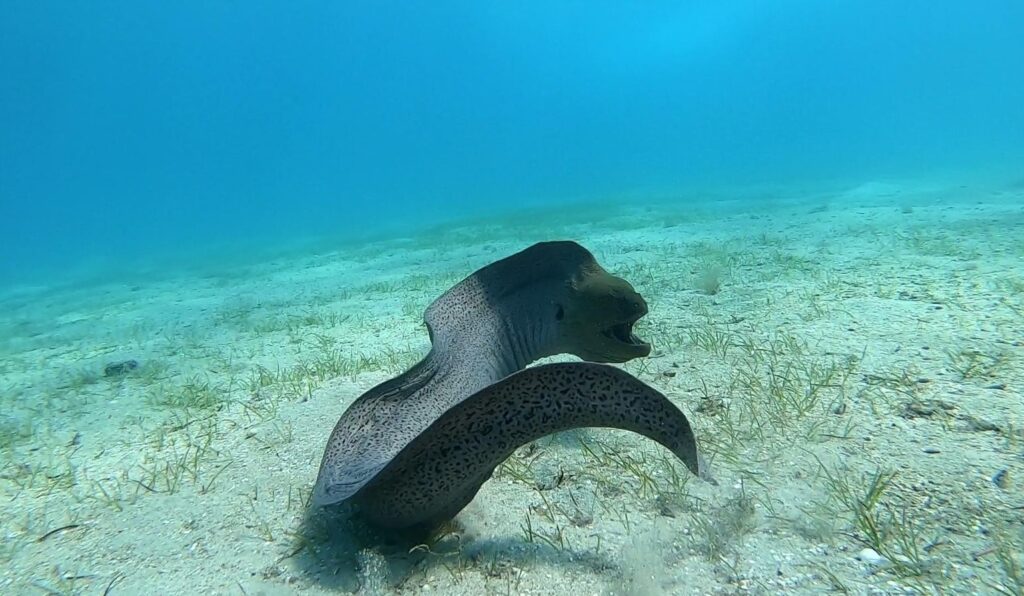
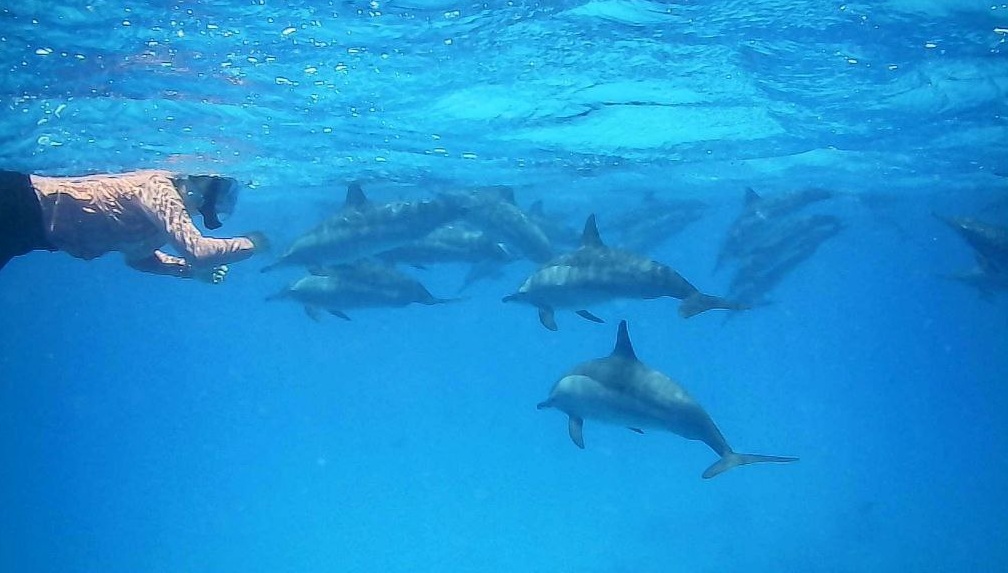
On the seafloor, extensive seagrass meadows stretch out, providing shelter for many juvenile reef fish and serving at the same time as a vital food source for dugongs and green sea turtles. The waters are also home to several hundred spinner dolphins (Stenella longirostris) as well as numerous species of moray eels, rays, and snake eels. Along the coast of the national park, the coral reef lies in places only a few centimeters below the water’s surface and is exceptionally species-rich, with more than 100 fish species.
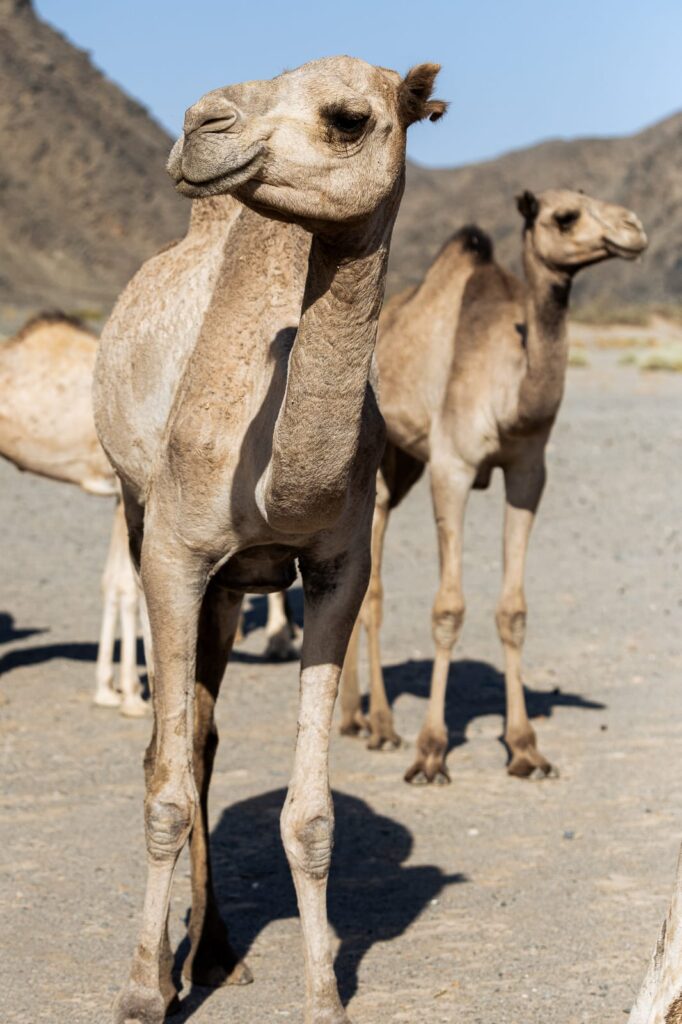
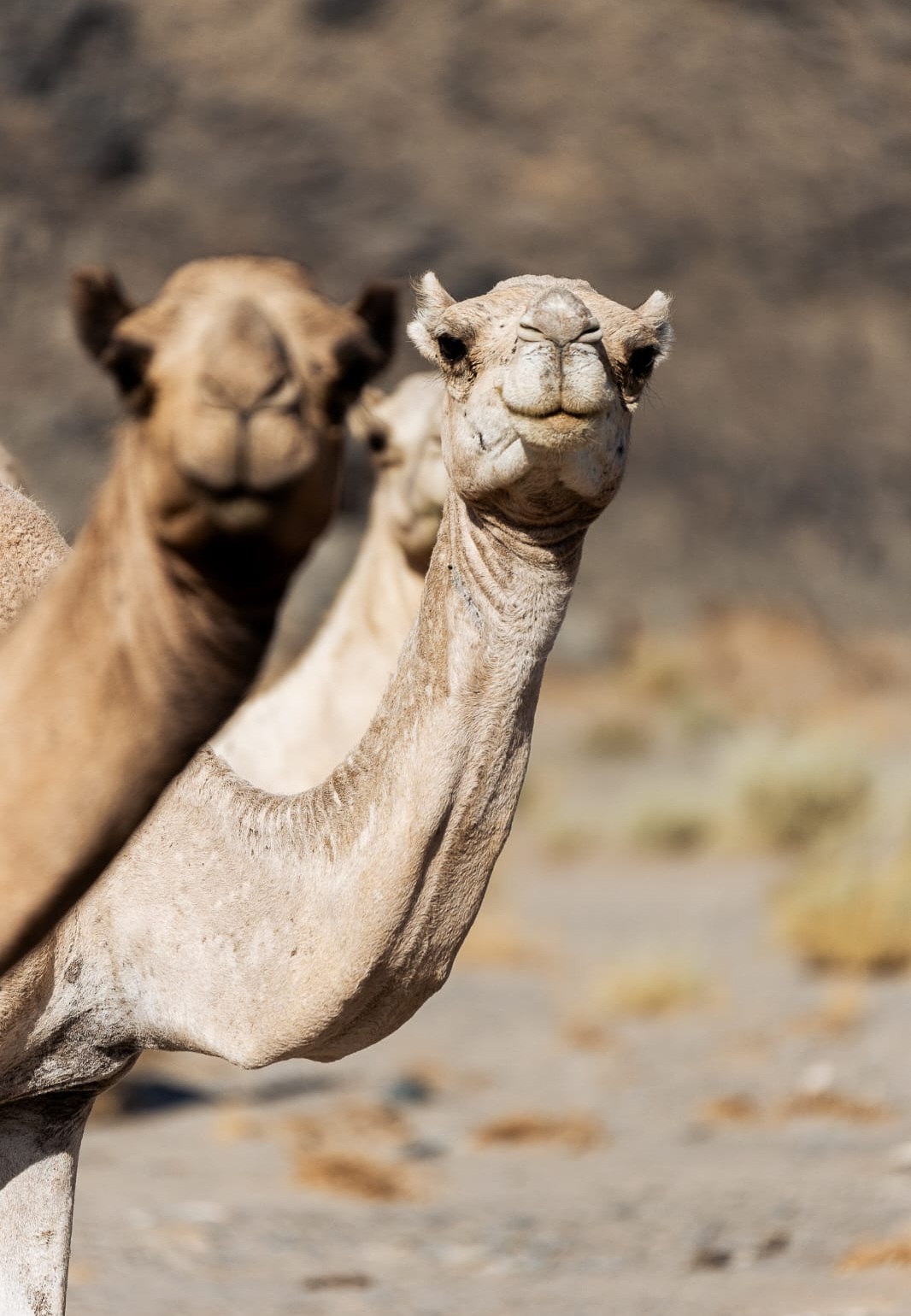
Arabian Camel
Since the Arabian camel (Camelus dromedarius) has only one hump, it is, strictly speaking, a dromedary, as its scientific name indicates. Contrary to widespread belief, the hump is not filled with water but contains fat reserves that the dromedary can draw on when needed. This allows it to survive for more than a week without food and water.
The dromedary reaches a shoulder height of about 1.8 meters and a weight of 400 to 500 kg. Dromedaries are specialized to tolerate high temperatures and limited food and water availability. They can regulate their body temperature between 34.5 °C and 40.7 °C, which is partly due to their large body mass and height: larger bodies heat up more slowly than smaller ones. In addition, their light-colored summer coat reflects sunlight.
These characteristics significantly reduce the need for fluids and greatly limit sweat production. In addition, the dromedary conserves water through its ability to produce very small amounts of urine and exceptionally dry feces. Under extreme conditions, a dromedary can survive for over a month without water. During periods of dehydration, it can lose up to 25 percent of its body weight, yet it recovers quickly after drinking. It can absorb up to 100 liters of water in just ten minutes.
The dromedary is also called the “ship of the desert” by Arabs, as it is perfectly adapted to extreme living conditions and its swaying gait resembles a boat gliding across the sea.
Birds
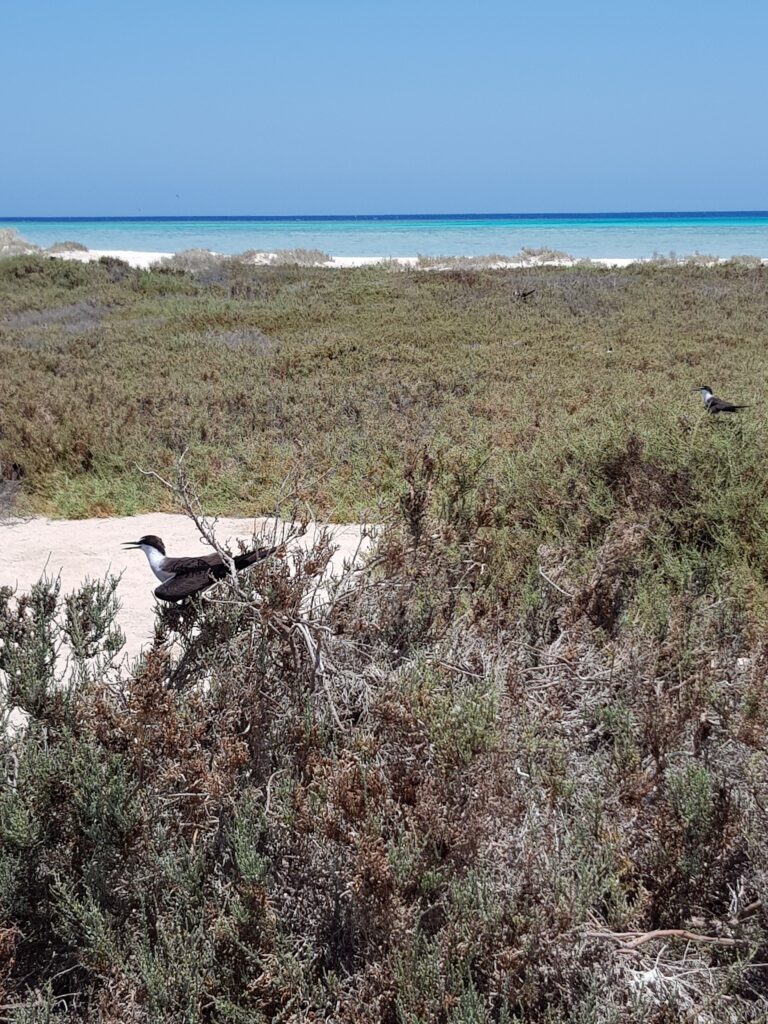
At least 45 bird species can be observed in Wadi el Gemal. The protected area lies along an important migratory route, which is why numerous species stop here in spring and autumn – from small sparrows to storks and various birds of prey.
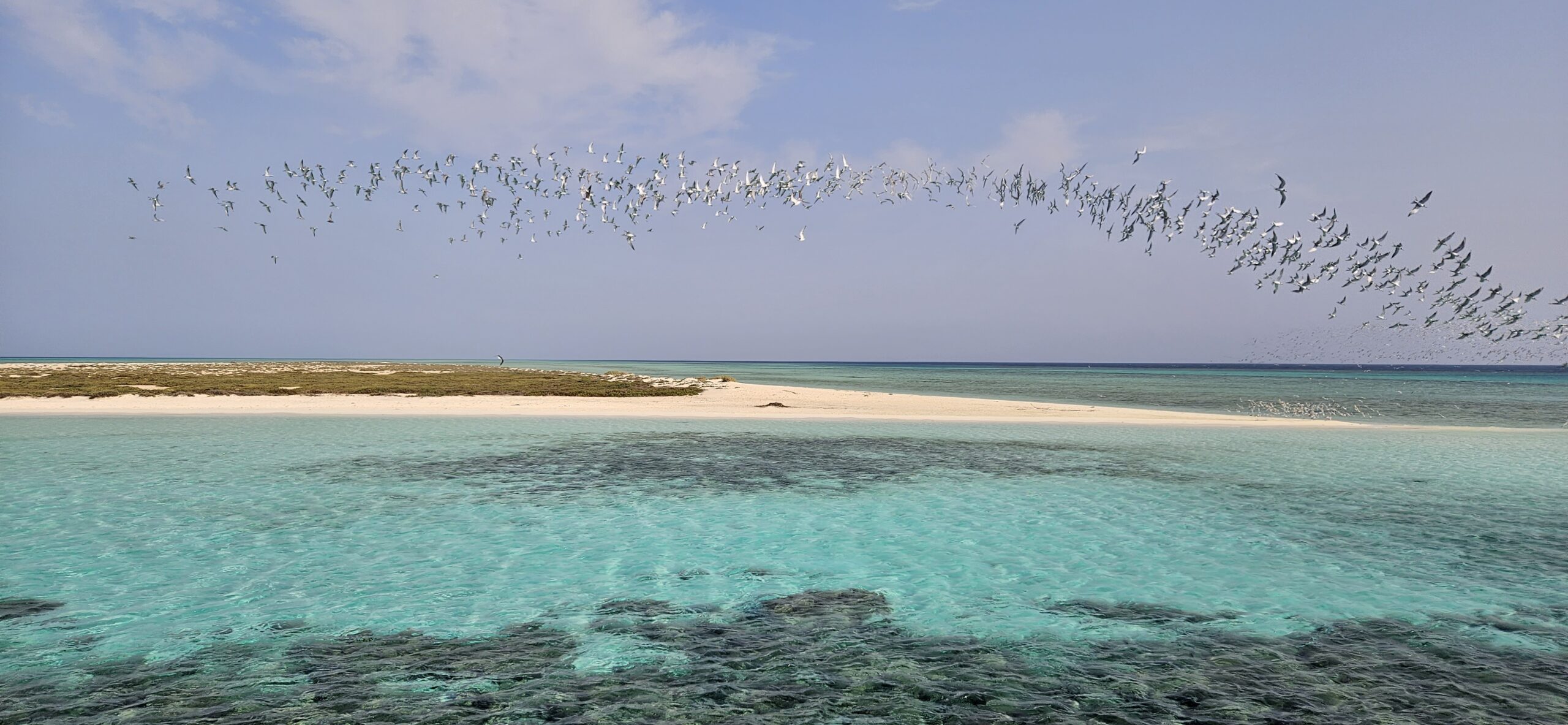
On the islands of the national park, large colonies of tropical seabirds live, including various species of terns and gulls. Both breeding species and birds stopping over during migration can be encountered there. Particularly impressive was spotting ospreys (Pandion haliaetus) at their nest from a distance. In addition, endangered sea turtles nest on the islands, further underscoring the ecological importance of the area.
We were able to observe a white reef heron (Egretta gularis) from particularly close range as it stood motionless in the shallow water, seemingly barely aware of our presence. One unforgettable moment was when we gazed out over the sea together while the sun slowly sank below the horizon.
Crabs
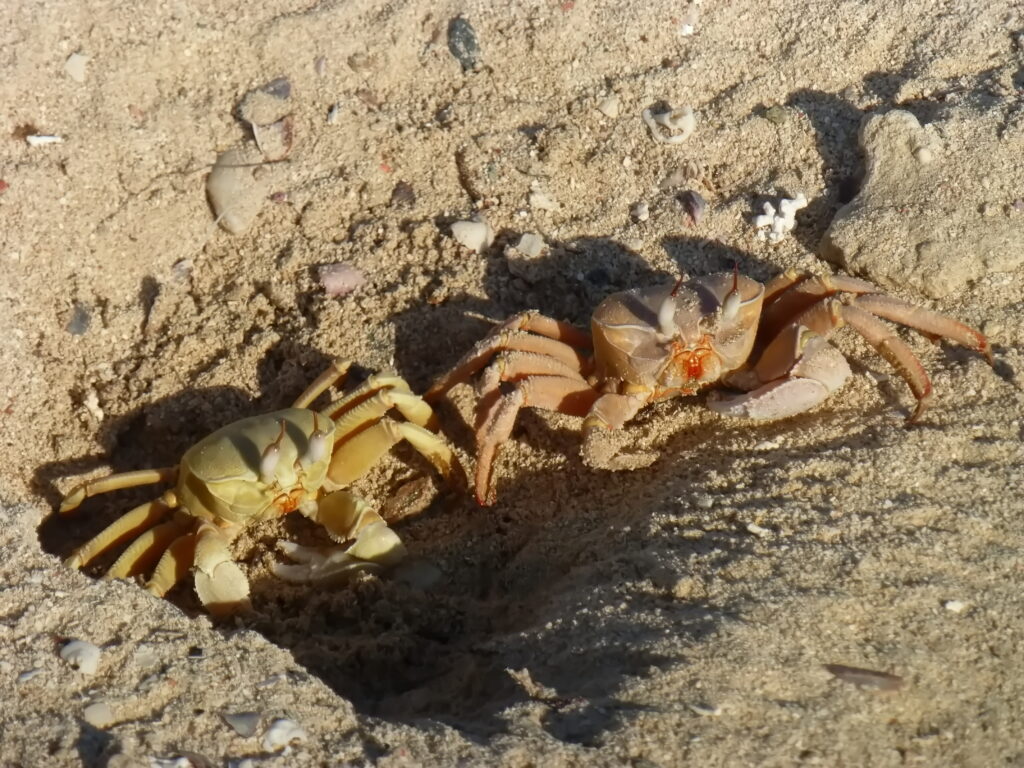
In the mangrove forests of Wadi el Gemal, countless crabs live, mainly belonging to two species groups:
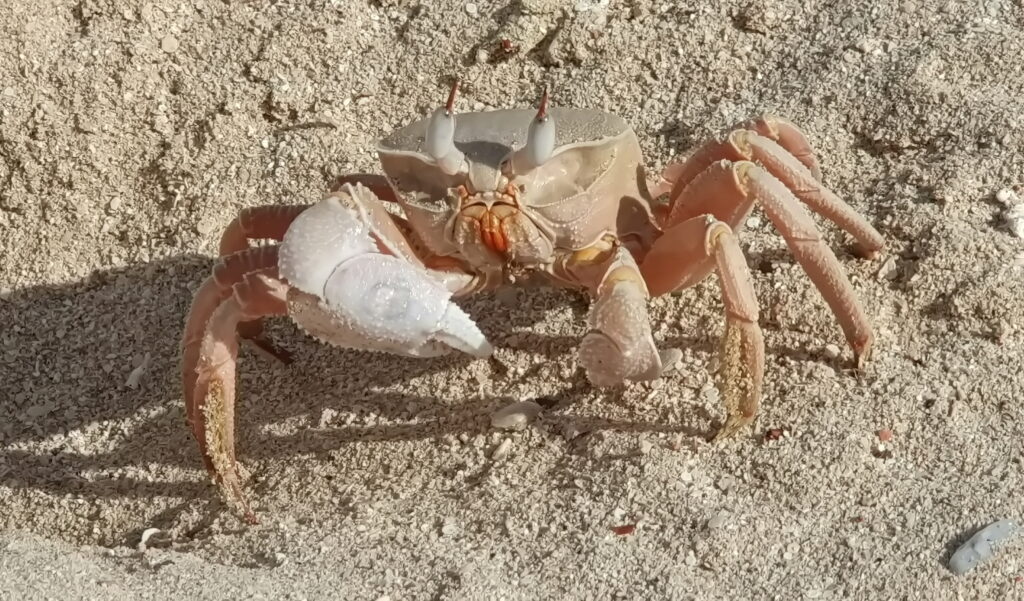
The ghost crab (Macrophthalmus sp.) reaches a carapace width of about 4-5 cm. Its sandy burrows on the beach are surrounded by tiny tracks spreading out in all directions. These burrows serve as shelters for the curious crabs. With remarkable speed, they scurry across the sand and, at the slightest sign of danger, vanish in a flash into their burrows – hence the name ghost crab.
The fiddler crab (Uca sp.), also known as calling crab, is equally striking. In males, one claw is disproportionately enlarged and can reach almost half the width of the body.
Desert Gerbil
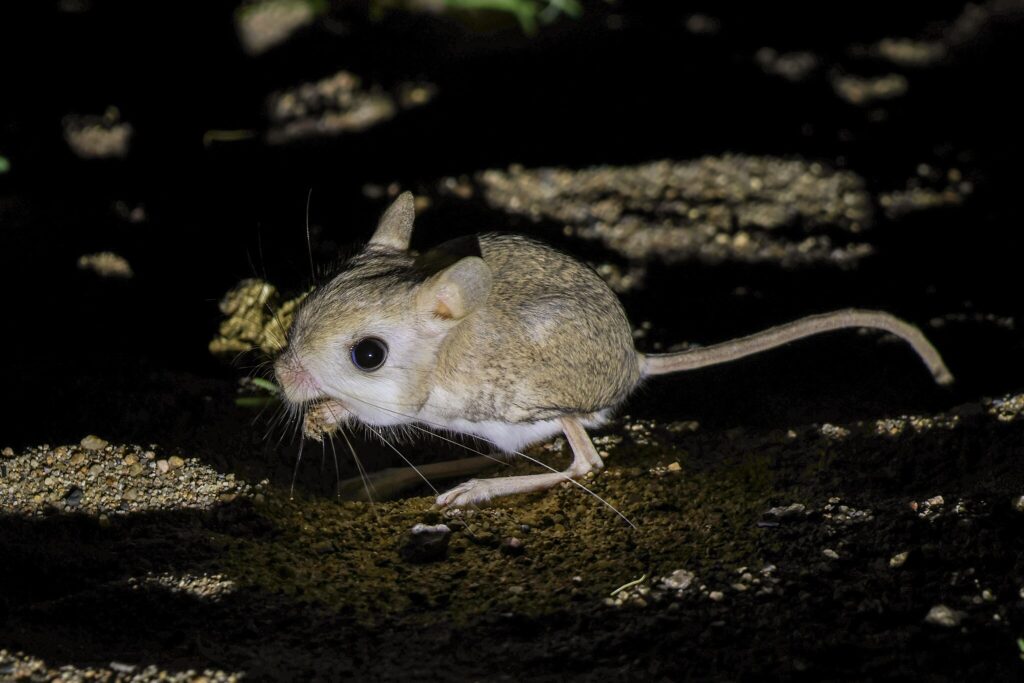
This animal, measuring about 20 centimeters in length, is mainly active at night and during twilight. The desert gerbil (Gerbillus gerbillus), also known as the lesser Egyptian gerbil, is a typical desert dweller with long hind legs that allow it to make jumps reaching at least five times its body length. During the day, it remains hidden in self-dug burrows and emerges only after nightfall to search for food such as seeds, fruits, and insects. It is among the preferred prey of birds of prey, foxes, and snakes, but under favorable conditions it can reproduce rapidly. Most of the time, its presence goes unnoticed and is revealed only by fine tracks in the sand.
Dorcas Gazelle
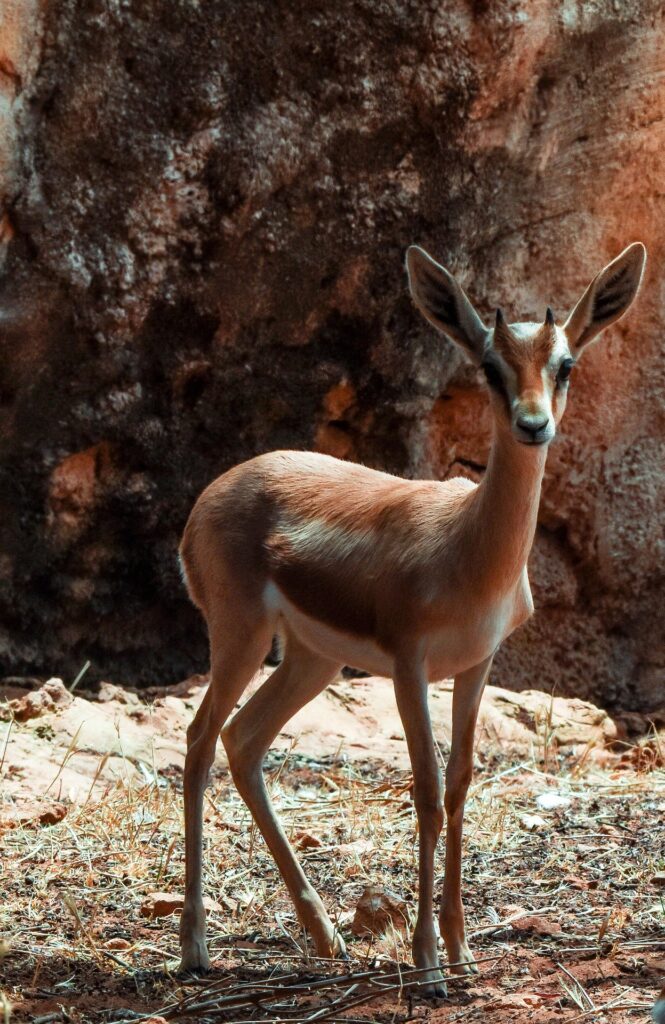
Among gazelle species, the Dorcas gazelle (Gazella dorcas) is the best adapted to life in the desert. It rarely drinks and meets its entire water requirement through plants.
They are most often observed in small groups, especially during the early morning hours and around sunset, when temperatures are milder. Cautious and well camouflaged by their sand-colored coats, they move through open valleys in a constant state of alertness, aided by their excellent eyesight and hearing, which help them detect humans and other animals at an early stage. Thanks to their slender bodies and long legs, they can escape danger with swift, elegant bounds, reaching speeds of up to 60 km/h. In Wadi el Gemal, adult animals have few significant natural predators, but the harsh desert conditions keep their populations in check.
Dugong
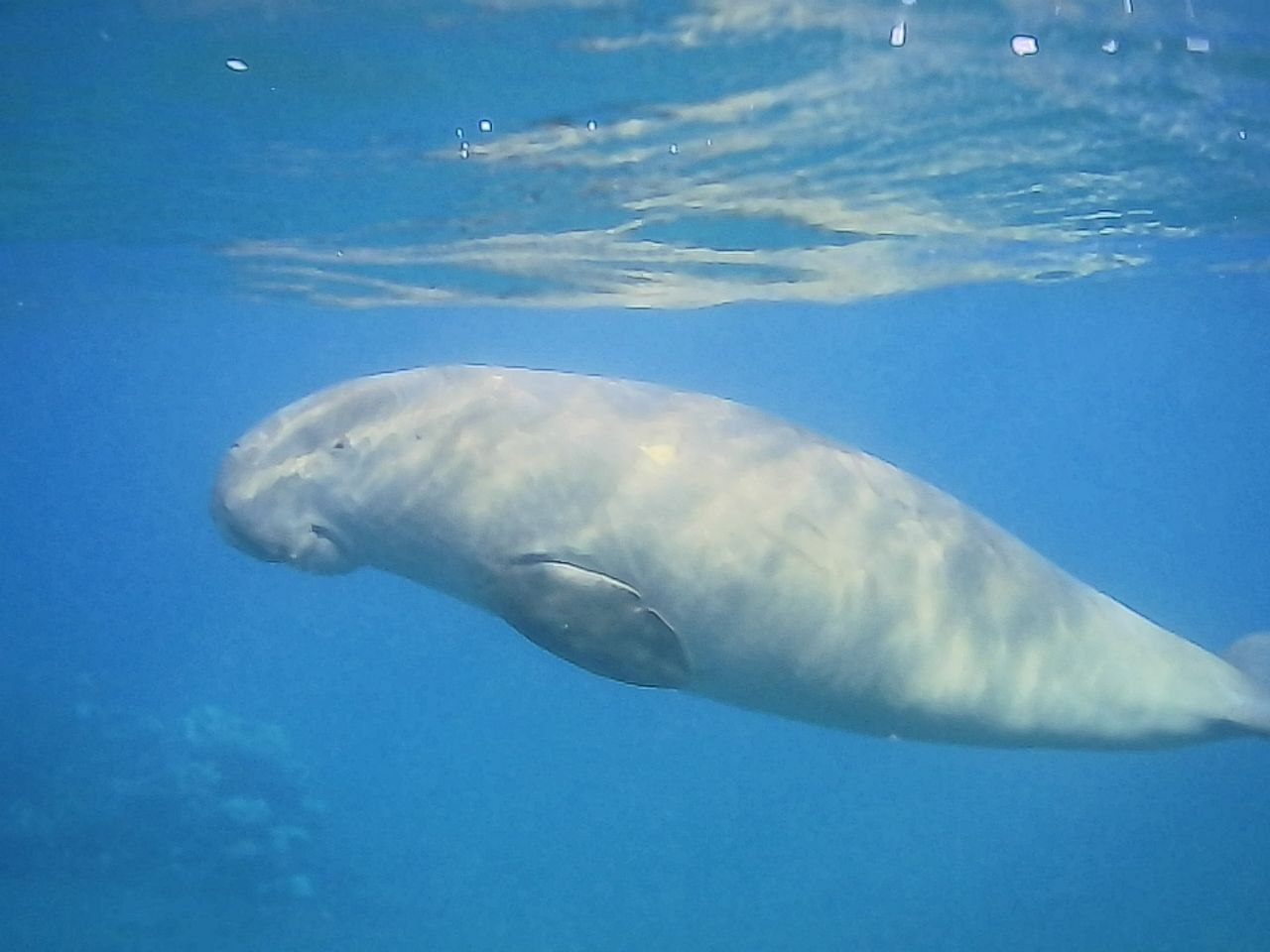
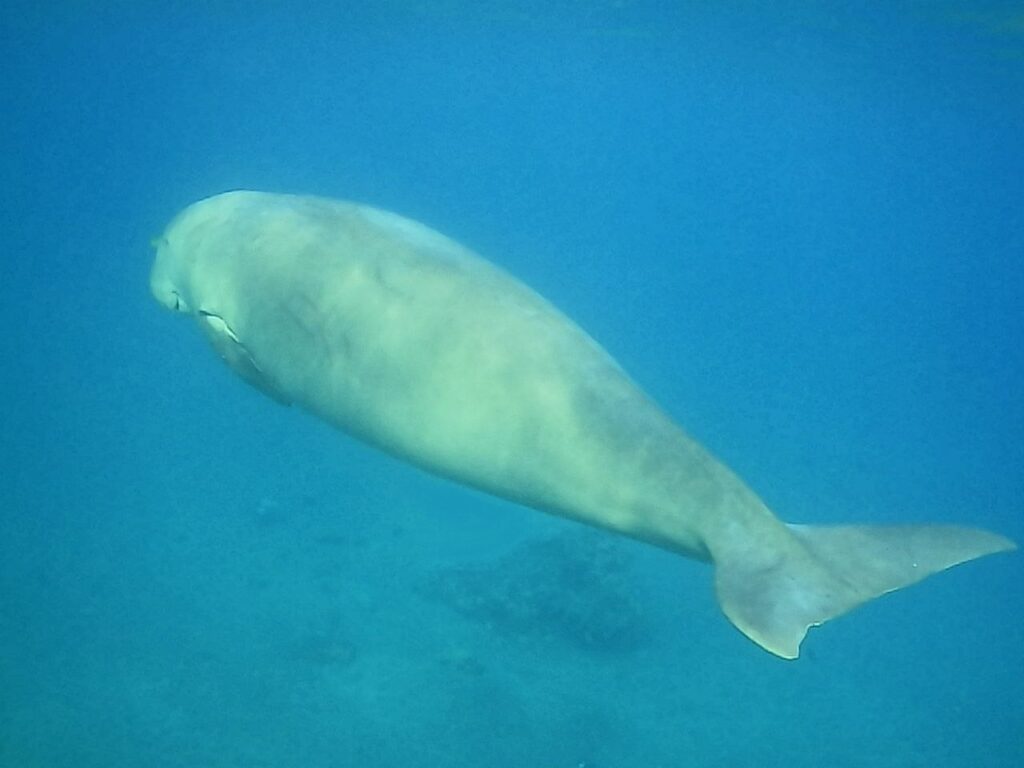
While snorkeling, we were incredibly lucky to be able to observe a dugong peacefully at close range. We will never forget how, after a long tour – we had already been underwater for about an hour and a half – we were slowly swimming back toward the shore when it suddenly came gliding calmly straight toward us. We were completely taken by surprise and could hardly believe it at first. It then swam past us in a very relaxed manner, shoulder to shoulder. What is fascinating is that a dugong always looks as if it is smiling – and this one did too. We were able to admire it for a while longer before it finally disappeared into the depths of the sea.
The dugong (Dugong dugon) is the only exclusively plant-eating marine mammal in the world. It feeds on seagrass – preferably Halophila stipulacea and Halodule uninervis – and is therefore also known as a sea cow. Because seagrass has a very low nutritional value, an adult dugong requires about 30 to 60 kg per day. Dugongs can grow up to three meters in length and weigh 400 to 900 kg. They live in shallow, wide bays with seagrass meadows and, under favorable conditions, can live for up to 70 years.
Mating can occur throughout the year but depends on an abundant supply of seagrass. When food is scarce, dugongs suspend reproduction, as raising offspring requires a great deal of time and energy. A female gives birth to a single calf only every three to seven years, following a gestation period of 13 to 15 months. Birth takes place in shallow water, and the 20 to 35 kg calf immediately swims to the surface for its first breath. Mother and calf maintain a stable, very close bond. The young is nursed for up to 18 months, but begins feeding on seagrass at an early stage.
Endangered animals
The future of the dugong is far from secure. The total population has declined sharply. As recently as the early 20th century, dugongs were observed in aggregations of hundreds of individuals; today, such herds are hardly ever found. Small groups of around six animals have now become the norm; in Wadi el Gemal, there are said to be only two dugongs left.
The reasons for the decline are manifold. On the one hand, the dugong’s habitat is becoming increasingly scarce, as numerous human activities destroy or damage seagrass meadows – directly through fishing boats or ships, through the use of these meadows for sand extraction, or through land reclamation by infilling. Construction activities along coastlines also cause sediments to be washed into dugong habitats. These suspended sediments, as well as nutrient runoff, promote the growth of harmful algae and are among the most important causes worldwide of the decline of seagrass meadows.
The dugong is also directly threatened: its meat is consumed and considered a delicacy, its fat is rendered into oil, and its body parts are used to produce dubious remedies, amulets, or carvings. Although hunting is prohibited in many countries, enforcement is often inadequate. In many regions, dugongs also die after becoming entangled in nets that are not intended for them.
Fish
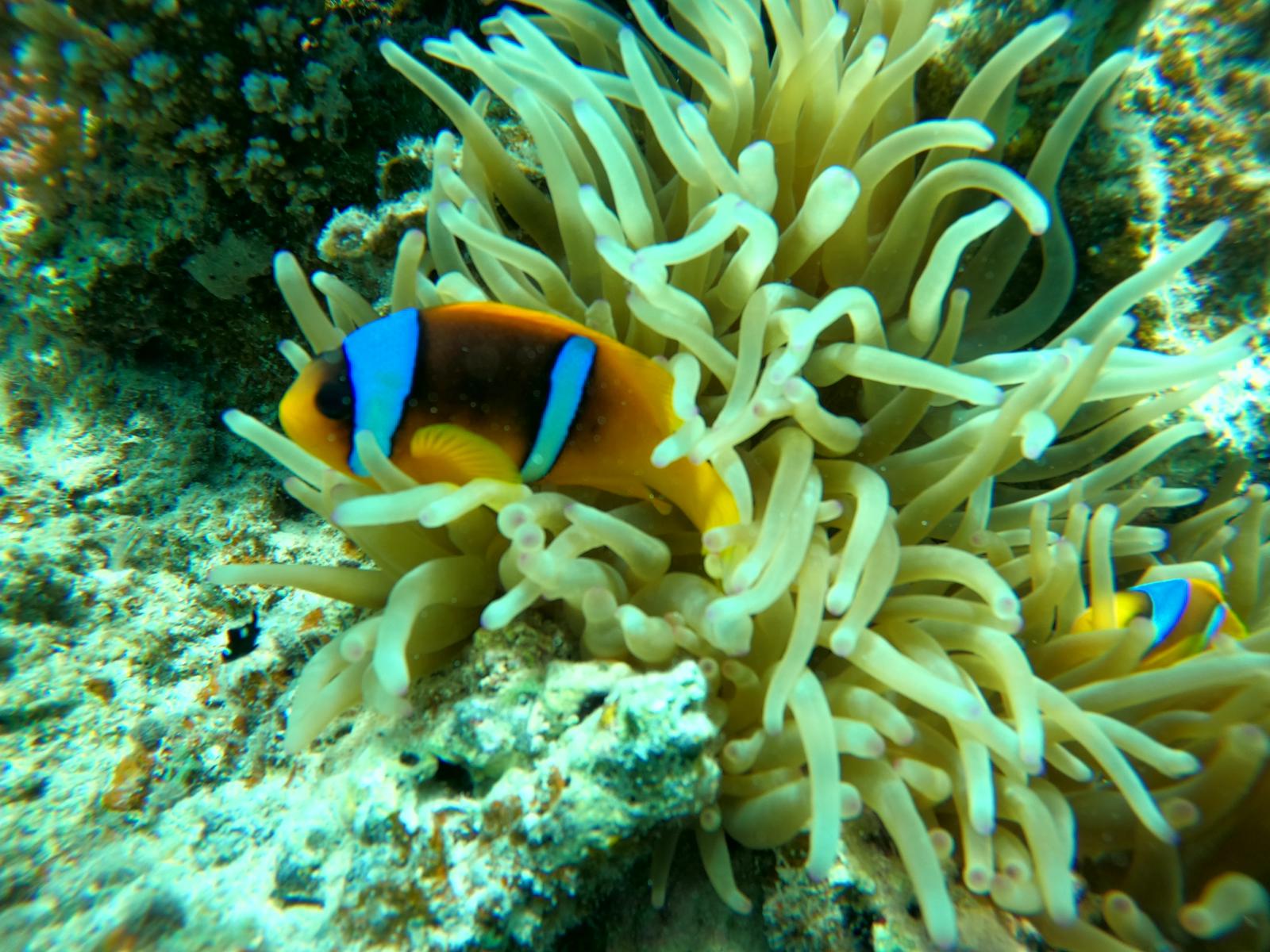
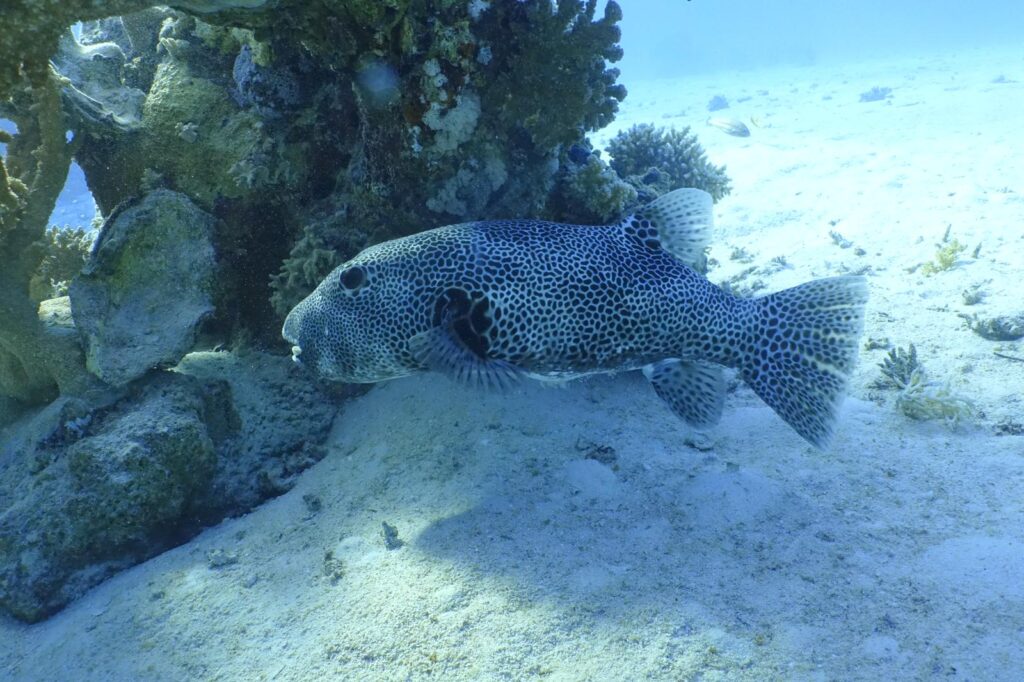
An estimated 104 fish species live in the impressive coral reef of Wadi el Gemal, including pufferfish (Tetraodontidae), parrotfish (Scarus sordidus), lionfish (Pterois volitans), anemonefish (Amphiprion bicinctus), angelfish (including the Arabian angelfish, Pomacanthus maculosus), Napoleon wrasse (Cheilinus undulatus), and triggerfish (including the titan triggerfish, Balistoides viridescens).
Reef fish are particularly colorful for several reasons: some color patterns serve as warnings of immediate danger or indicate defensive weapons, such as the striking markings near the spines of surgeonfish. Other color and pattern combinations are an important means of communication within certain species. Bright coloration can also contribute to camouflage, as it allows fish to blend in with the richly colored background of the coral reef. This is significant because most diurnal reef fish are able to perceive colors.
Insects and Arachnids
There are numerous animals with an exoskeleton, such as insects and desert scorpions, that can effectively control water loss by temporarily closing their respiratory openings. Some of these insects hardly ever drink, meeting their entire water requirement exclusively through the tissues of their prey.
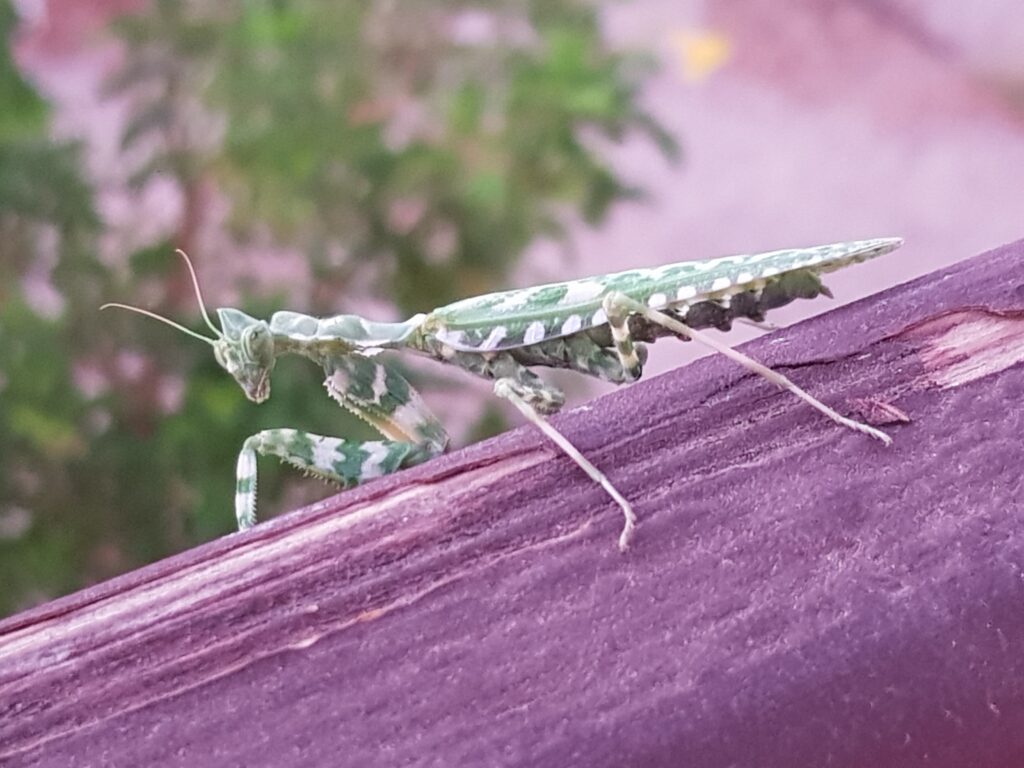
In Wadi el Gemal, we discovered various darkling beetles, ants, and spiders, some well camouflaged on the ground or among rocks. We also observed several species of praying mantises, including the Egyptian mantis (Miomantis paykullii) as well as the Egyptian flower mantis (Blepharopsis mendica).
Nubian ibex
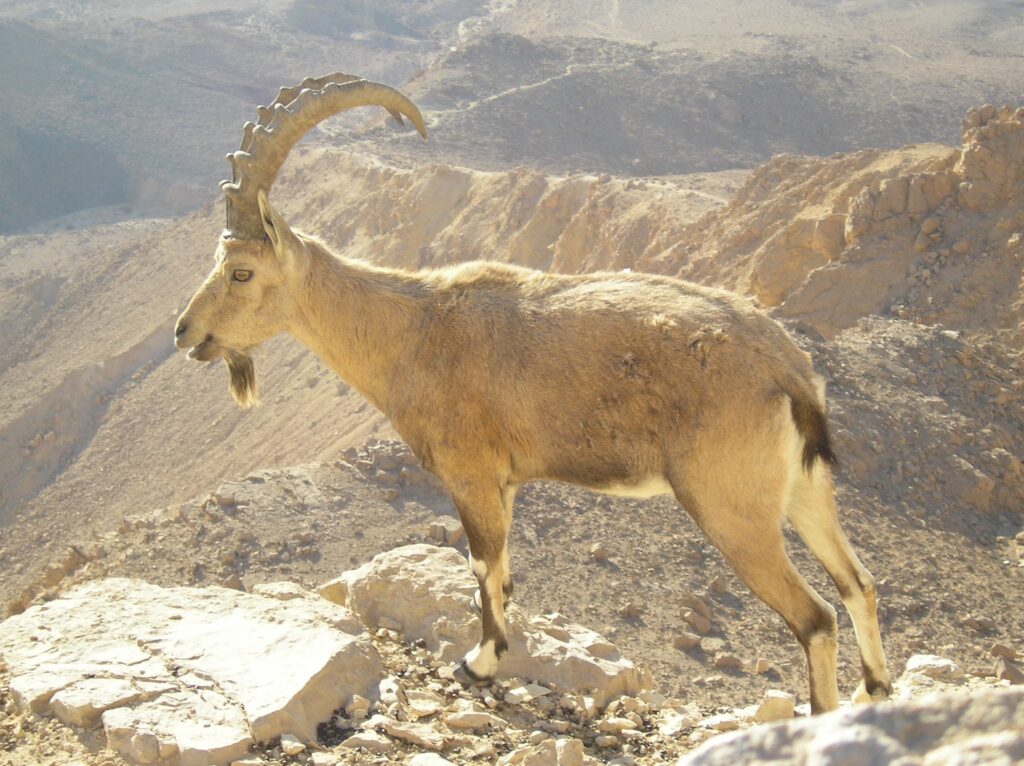
Those who see it usually experience only a fleeting moment, a silent movement high above the valleys: the Nubian ibex (Capra nubiana) occurs only in the rocky, arid highlands in the western part of the national park. Closely related to the Alpine ibex, it has a lighter coat, a longer beard beneath the chin, and is the most difficult animal species to observe in the region. Adapted to heat and dryness, it feeds on the sparse vegetation along rocky slopes and retreats to higher elevations during the hot seasons. As with the Dorcas gazelle, both sexes bear horns, which are slightly larger in males.
Reptiles
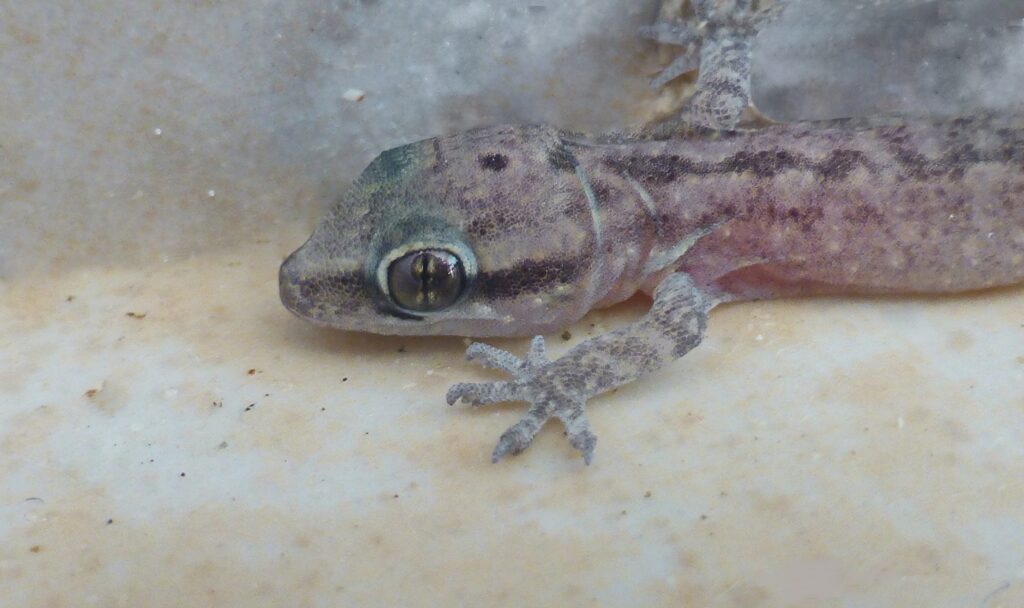
Among the roughly 25 reptile species, which also include sea turtles, geckos are the most commonly represented group.
Some gecko species, especially certain thick-tailed or fat-tailed geckos, store substantial fat reserves in their tails, comparable to the fat stored in the hump of a dromedary. These fat reserves can be converted into energy when needed; water is also produced as a byproduct of metabolism. When the animals are weakened or go without food for extended periods, the tails – or humps – become noticeably smaller as these emergency reserves are used up. The lizards of the area also include Agama spinosa, which can occasionally be observed on rocks along the edges of dry valleys.
The reptile fauna also includes snakes, such as the dangerous but rare desert horned viper (Cerastes cerastes) and the more commonly encountered Egyptian sand snake (Psammophis aegyptius). The latter poses little danger to humans, as it is non-venomous and feeds mainly on lizards and small rodents.
Rock Hyrax
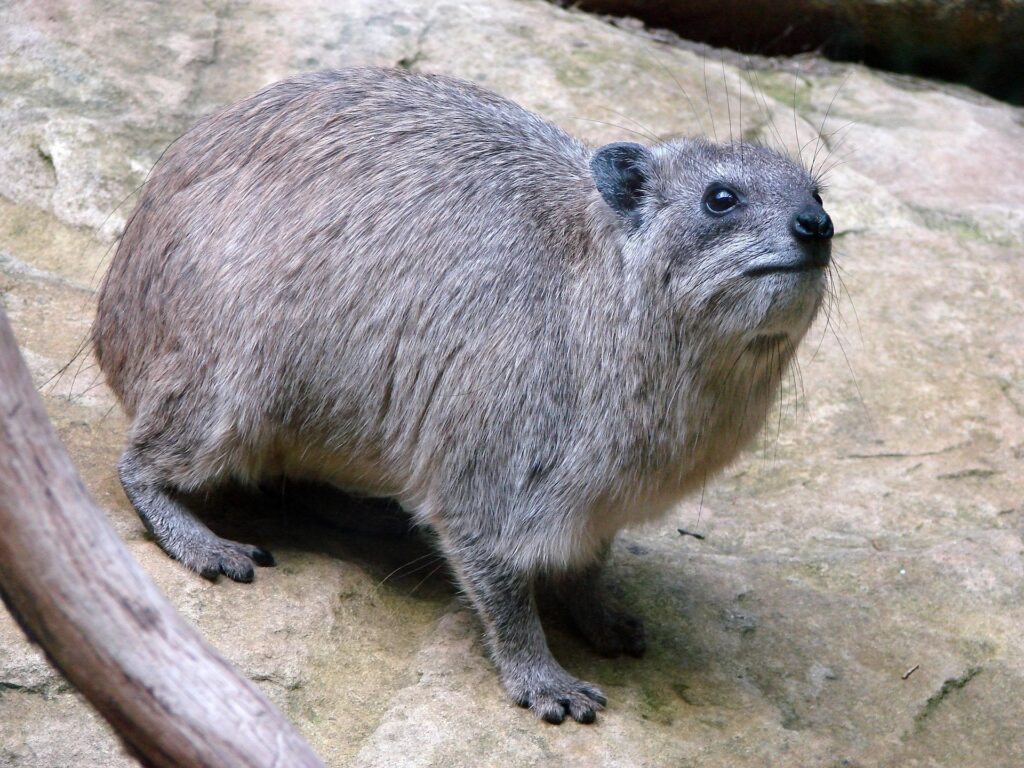
Despite its rodent-like appearance, the rock hyrax (Procavia capensis) is not a rodent. It belongs to its own distinct order, the hyraxes, and is biologically more closely related to elephants and sea cows.
On the soles of its feet, the rock hyrax has rubber-like pads with sweat glands that act like suction cups, providing a secure grip on smooth rocks – an ideal adaptation to barren habitats. Because they can regulate their body temperature only to a limited extent, they often bask in the sun, usually in the morning or late afternoon, frequently in groups to absorb warmth. They meet most of their water requirements through their predominantly plant-based diet.
Rüppell’s Fox
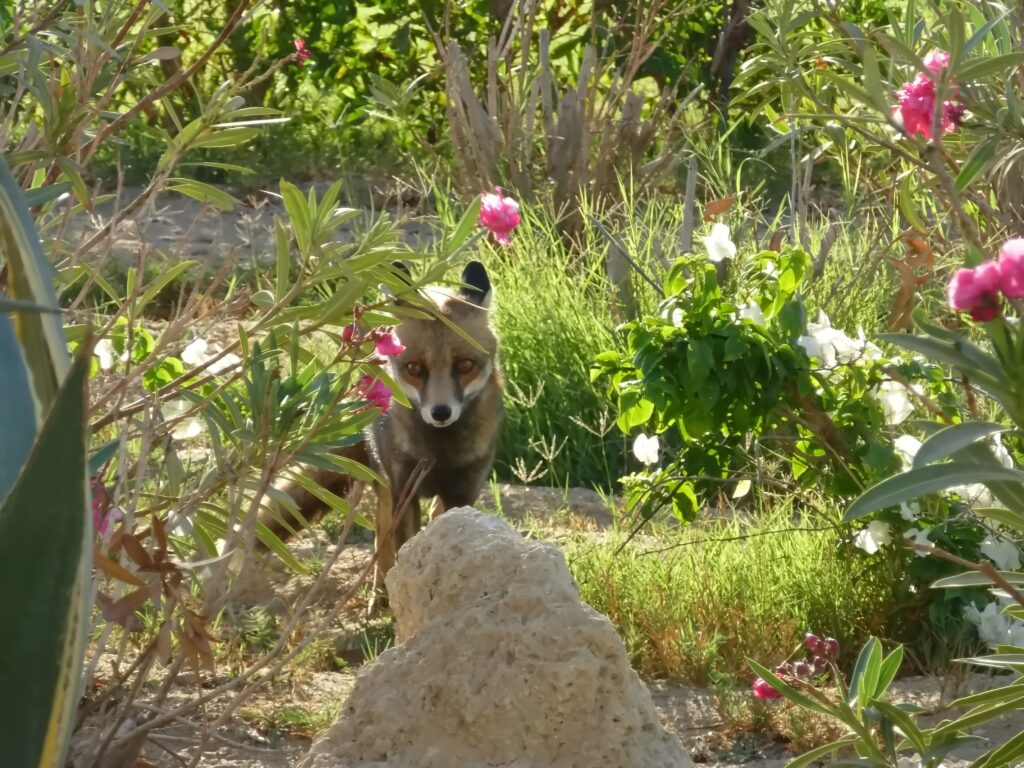
Suddenly he was there, watching us – the Rüppell’s fox (Vulpes rueppelli), also known as the sand fox. With a shoulder height of about 30 centimeters, it is smaller than its well-known relative, the red fox. During the day, it rests sheltered from the heat in its den, which can be dug up to two meters deep into the sandy ground. At night, it sets out in search of food: small rodents, insects, birds, and occasionally fruit. In doing so, it covers distances of several kilometers and moves almost silently through the desert.
Its sand-colored, dense fur protects it from sun and sand, while the dark tips of its ears and its bushy tail help with thermoregulation. Particularly remarkable is its economical use of water. Rüppell’s foxes can survive for long periods without direct water intake, as they obtain most of their fluids from their food and minimize water loss through specialized metabolic adaptations.
Sea Turtles
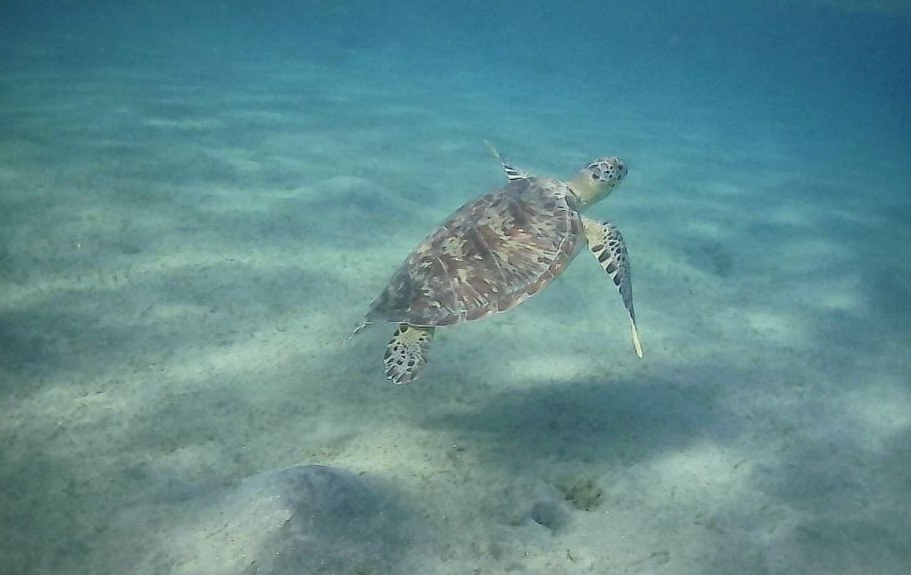
Five species of sea turtles occur in the Red Sea; all are endangered and therefore strictly protected. Two of them – the hawksbill turtle and, in particular, the green sea turtle – are part of the fauna of Wadi el Gemal National Park, where they find ideal habitat conditions.
The green sea turtle (Chelonia mydas) feeds on marine plants, especially seagrass, which thrives in warm, shallow coastal waters. This reptile can be recognized by its rounded beak and its shell, which can grow up to one meter in length.
Over the course of their lives, green sea turtles can travel thousands of kilometers. At around 20 years of age, they reach sexual maturity and return at the beginning of summer to their birthplace – such as Wadi el Gemal Island – to lay their eggs. Unlike adults, juveniles feed on small marine organisms. During this phase, they live in the open ocean, but return to coastal waters after four to five years.
Wild donkey
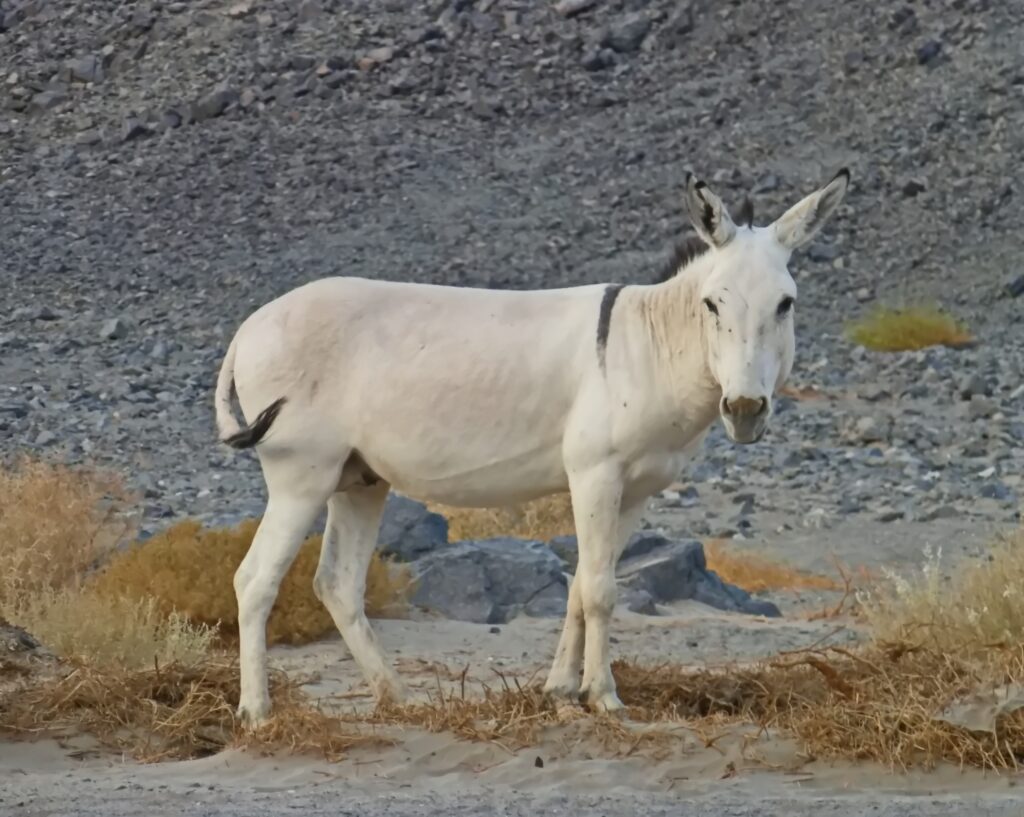
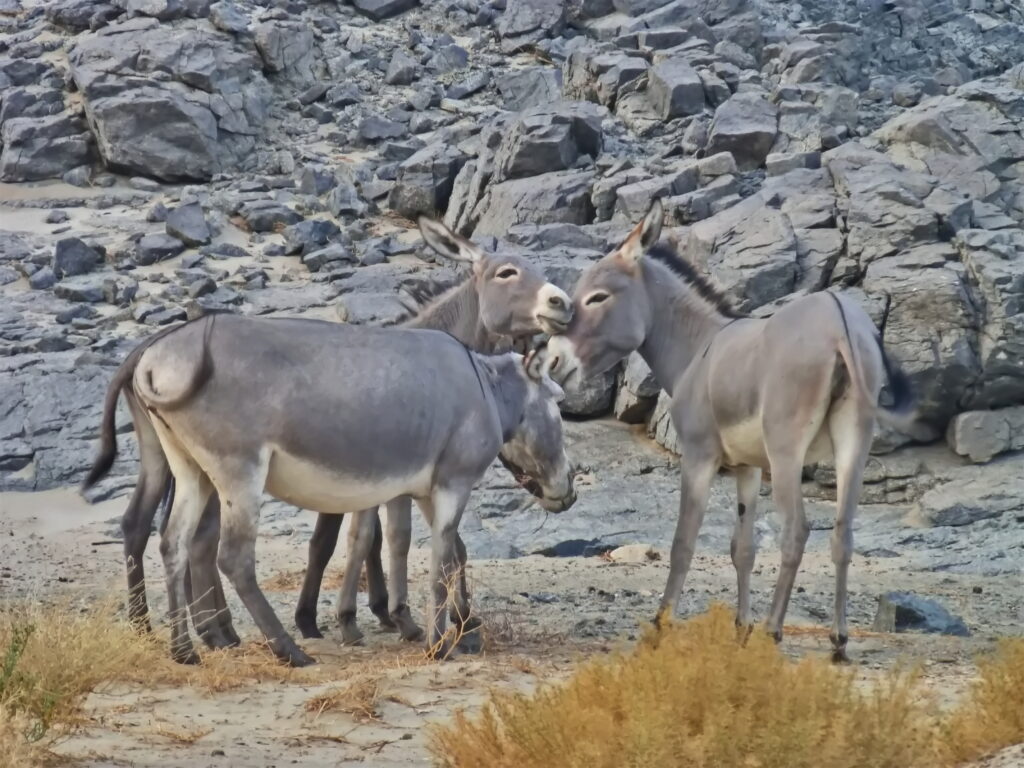
In Wadi el Gemal, we discovered a population of African wild donkeys, scientifically called African wild asses (Equus africanus), that live in the region and are superbly adapted to the extreme conditions of the desert.
Typical of their social behavior are small groups led by a dominant male. They travel long distances to reach water sources and food such as grasses and shrubs. During feeding, some seeds remain undigested, while others may become attached to their coats. In this way, the animals disperse seeds over long distances and thus influence the vegetation of their habitat.
Despite their adaptability, the wild asses in Wadi el Gemal are endangered. Habitat loss caused by human activities, competition with domesticated animals, and occasional poaching put pressure on their populations. Protecting these animals is closely linked to preserving the fragile ecosystem of Wadi el Gemal.
Leave a Reply