



Egypt
– Landscape –
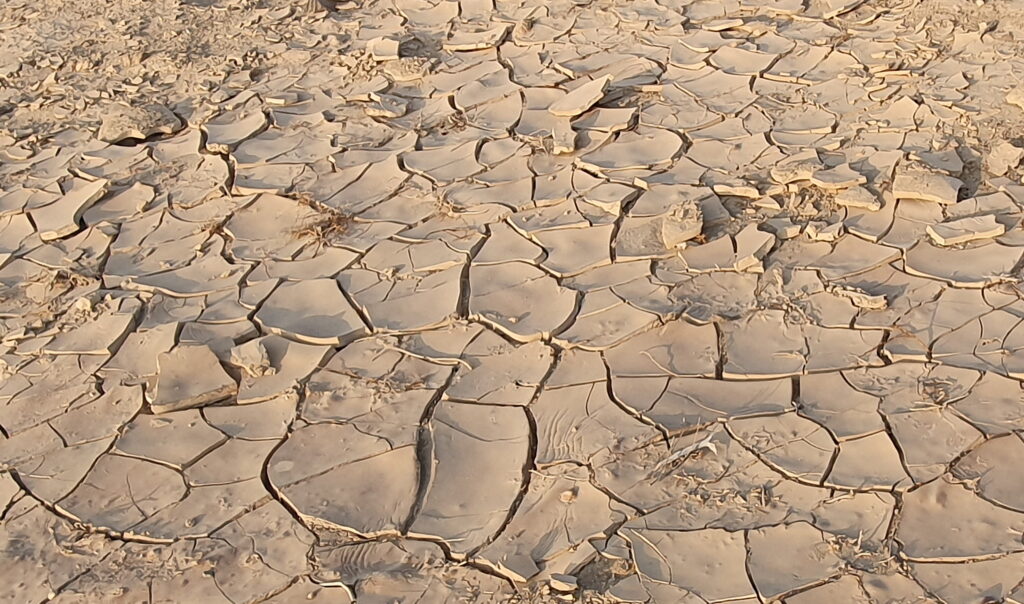
Cracked clay soil
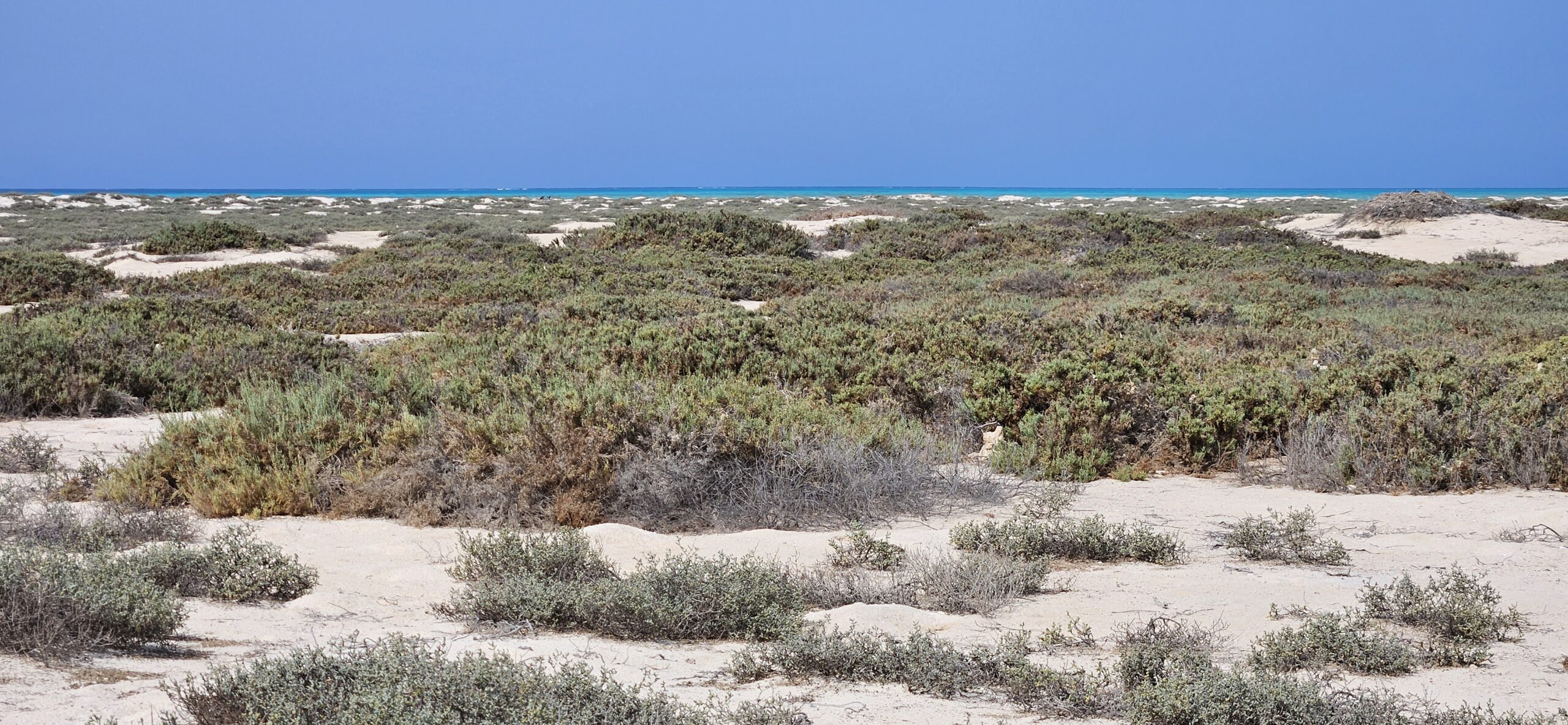
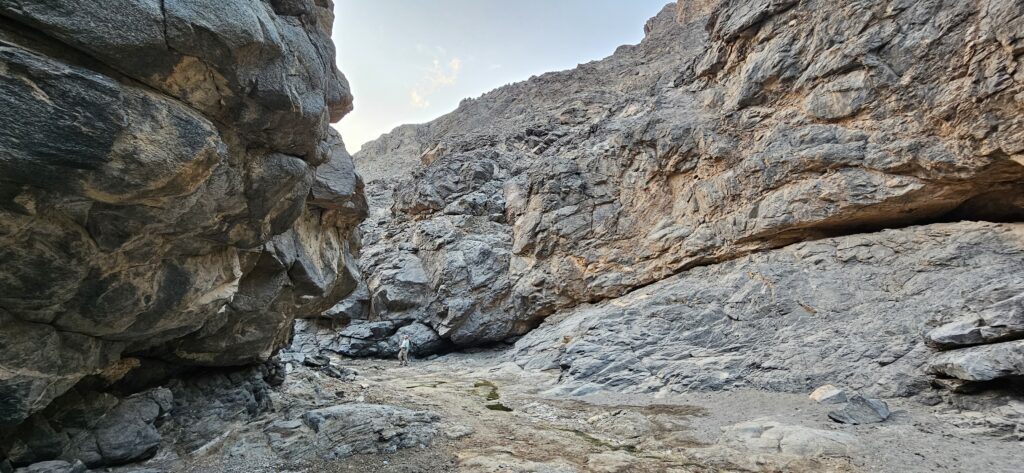

The Landscape of Egypt

The Eastern Desert
Dry deserts such as the Sahara in northern Africa receive an average of about 45 mm of precipitation per year. By comparison, Egypt’s Eastern Desert records less than 20 mm of rainfall annually, making it one of the driest habitats on Earth.
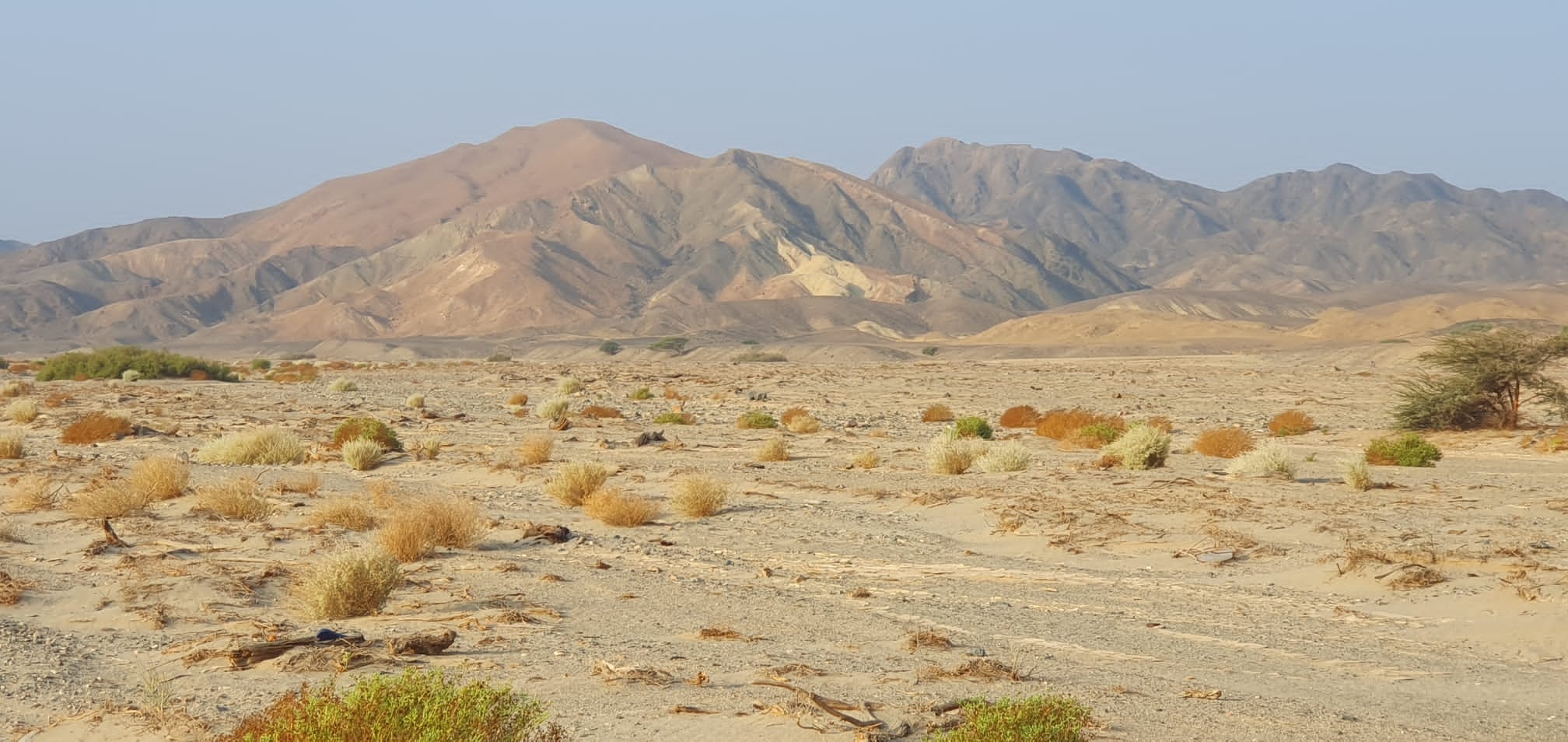
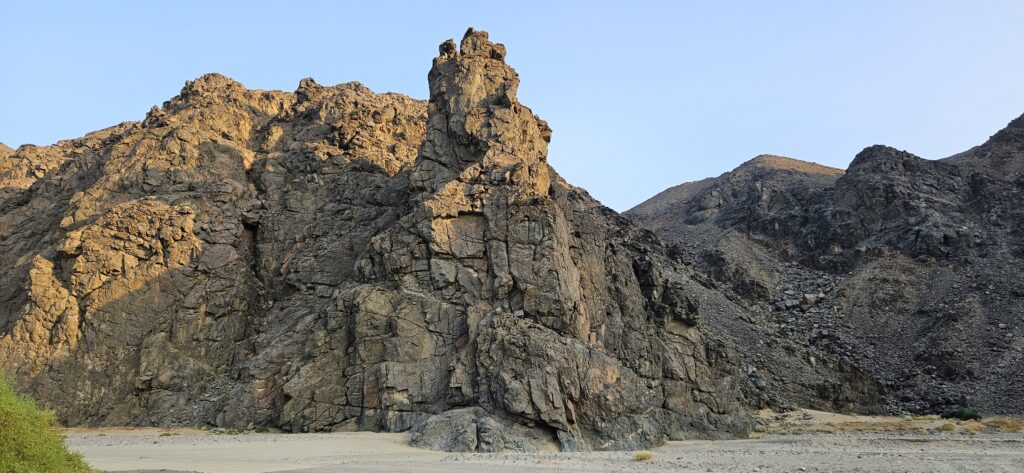
Although the Eastern Desert is part of the Sahara, it differs from other landscape types of this dry desert in its geological structure and climatic conditions. While the central Sahara lies in the interior of North Africa and is known for its vast sand dunes, the Eastern Desert borders the Red Sea and is predominantly covered with rocks and gravel, with only a few sandy areas. These differences are the result of their distinct geological development:
Sand is formed through the fragmentation of rock that is worn down over long periods by wind and rain erosion, causing the rock particles to become progressively smaller and finer. Older deserts such as the central Sahara contain a higher proportion of sand because erosion over longer timescales has produced larger quantities of it. The Eastern Desert is geologically younger, which is why its sand content is lower, as the process of weathering there has not yet progressed as far.
Historical Changes
Egypt’s desert has undergone significant changes over thousands of years. Millions of years ago, the region was covered by the sea. Geological evidence of this ancient sea is still visible in the desert today.
At the time of the Old Kingdom of the pharaohs (c. 2700-2200 BCE), four to five thousand years ago, when the great pyramids were built, the land was significantly greener. Parts of what is now desert were then savannas and dry steppes, where herds of antelopes and gazelles roamed. Large cats such as lions and leopards wandered through the landscape, while crocodiles and hippopotamuses lived along the banks of the Nile.
As the desert continued to expand due to climatic changes and shifts in the ecosystem, wildlife increasingly retreated into the few remaining fertile areas. Many animals that were once native to Egypt migrated farther south. Already during the Middle and New Kingdoms (c. 2040-1070 BCE), hunting them was possible only in a few regions, as their populations had declined significantly. By the Roman period (c. 30 BCE-395 CE), the climate was already similar to that of today.
The Wadis
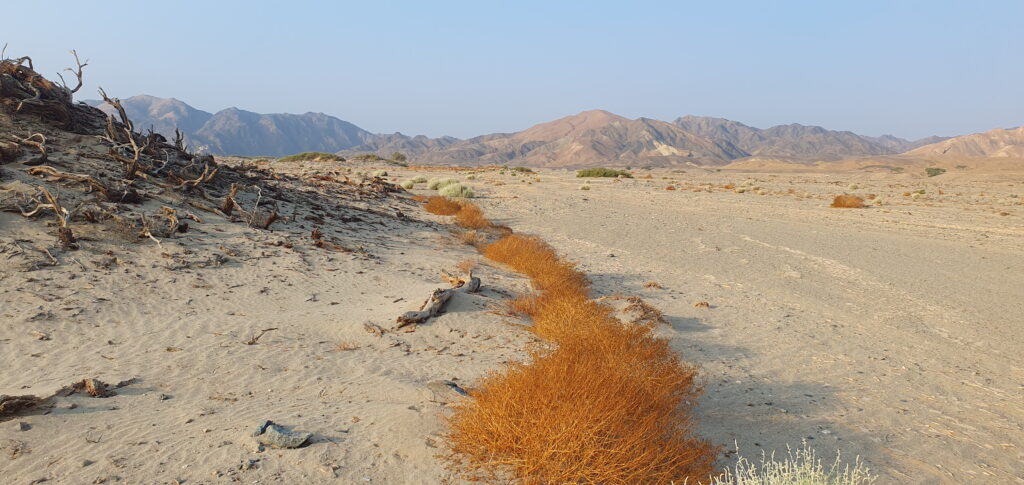
The word wadi comes from Arabic and means “valley”. After rare but prolonged rainfall, water can quickly accumulate on the dry desert ground and form seasonal, sometimes even substantial, streams. These either seep into the groundwater or flow into the broad valleys – wadis – which then temporarily carry water. These temporary watercourses provide vital water sources for flora and fauna and are of great importance in the otherwise extremely arid desert environment.
The occasional accumulation of water, even though it is rare, causes the wadis to have denser vegetation than the rest of the barren, rocky desert landscape. As a result, they represent particularly valuable habitats for many animal and plant species. Most medicinal plants are also found in the wadis.
The largest wadi in Egypt’s Eastern Desert is Wadi el Gemal, after which the park is named (from Arabic: “Valley of the Camels”). The region is characterized by a great diversity of landscapes and is home to a remarkably rich flora and fauna. More than 140 species of plants and shrubs have been recorded here, including around 70 medicinal plants. In addition, the area supports a diverse animal life, with 45 species of resident birds as well as numerous reptiles and mammals, each represented by about 25 species.
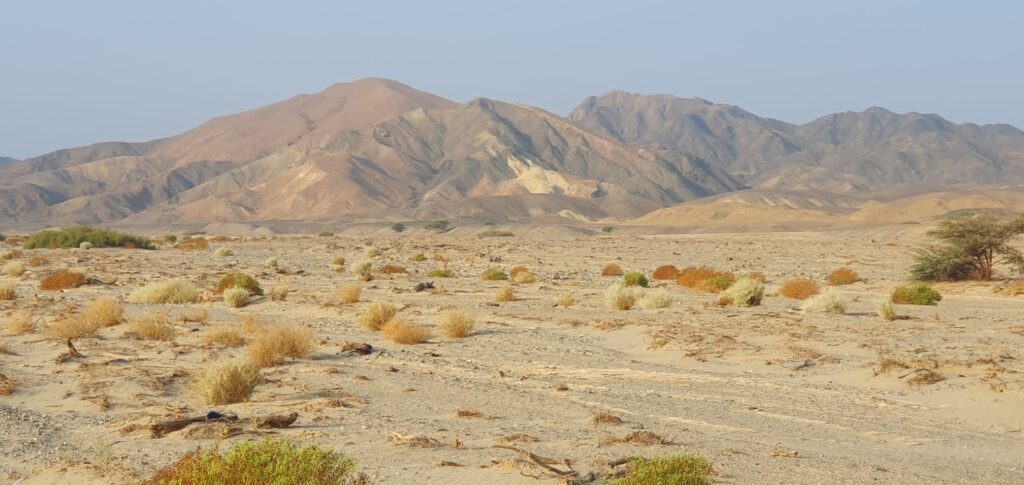
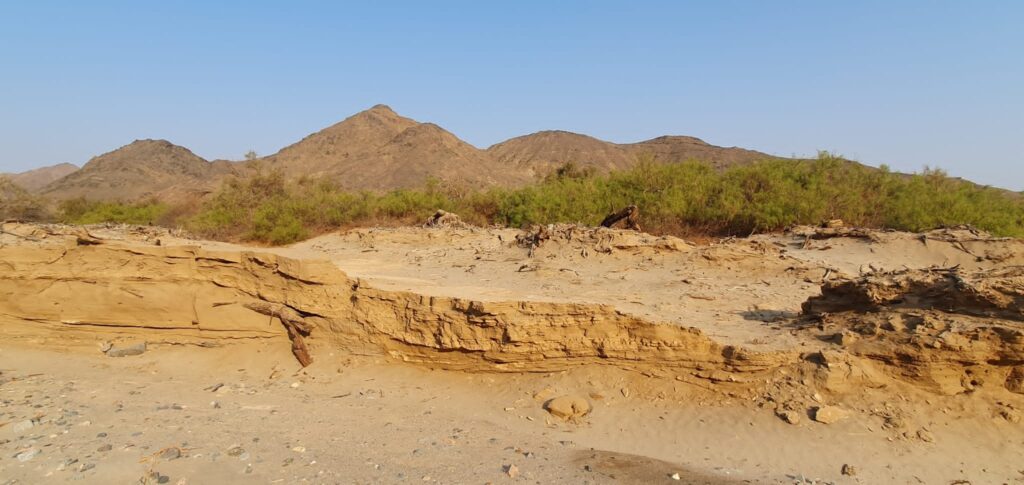
When the Desert Flows into the Sea
In Egypt’s Eastern Desert, the wadis run predominantly from west to east. During rainfall, water flows according to this orientation, aided by the region’s topography and geological gradient: the wadis channel water from the higher mountain areas down to the lower coastal plains. This means that water in the wadis generally flows toward the Red Sea – though it does not necessarily reach it. In many cases, the water infiltrates the ground or evaporates before reaching the coast. Only during heavier or prolonged rainfall can water advance as far as the coastal zone or, in rare instances, reach the sea itself. In such cases, it also transports small amounts of freshwater as well as nutrients and sediments – fine particles of rock or organic material – that are deposited on the seafloor.
Flash Floods
During exceptionally heavy rainfall, which can trigger temporary flash floods in the wadis – as most recently in 2024 – the water can carry large amounts of mud as well as fine-grained sand and clay particles. If these sediments reach coastal waters, they can severely affect coral reefs in particular. They cloud the water, reduce the amount of incoming sunlight, and settle directly on the corals, effectively smothering them. In addition, microorganisms consume oxygen locally as they decompose organic components in the mud, reducing oxygen concentrations in the water. This endangers the growth, vitality, and long-term survival of coral reefs and indirectly affects the fish living within them, even if some species may temporarily benefit from increased nutrients from the sediment and freshwater. For this reason, coral reefs thrive best in shallow, tropical coastal waters far away from large rivers.
Coral reefs in the Red Sea are particularly sensitive to massive sediment input because they are adapted to clear, nutrient-poor conditions. We were able to observe firsthand the effects such flash floods can have: they left clear traces both in the desert and in the sea. A comparison between August 2023 and November 2025 revealed visible changes in coral color and vitality – the extent of coral bleaching had increased noticeably and was further intensified by rising water temperatures.
Coral Reefs
A coral reef is the marine counterpart of a tropical rainforest and the most biodiverse ecosystem on Earth, hosting an immense variety of animals and plants. It is a structural formation in the sea composed primarily of living organisms or their calcareous skeletons. Warm water temperatures and relatively stable conditions throughout the year provide sufficient resources for organisms within the complex reef system to grow, feed, and thrive. More than in any other marine ecosystem, numerous species find opportunities here to forage, reproduce, and occupy their own vital ecological niches.
The Red Sea hosts one of the largest, most diverse, and best-preserved reef systems in the world. Egypt lies on the northern edge of the tropics, and the reef at Wadi el Gemal is a typical fringing reef: it runs directly along the coastline, separating it from the open sea at distances ranging from just a few meters to more than a hundred meters, and in places forms natural lagoons with sandy bottoms. The outer edge of the reef slopes down from the shallow coastal zone to depths of approximately 4 to 30 meters.
Structure and Function
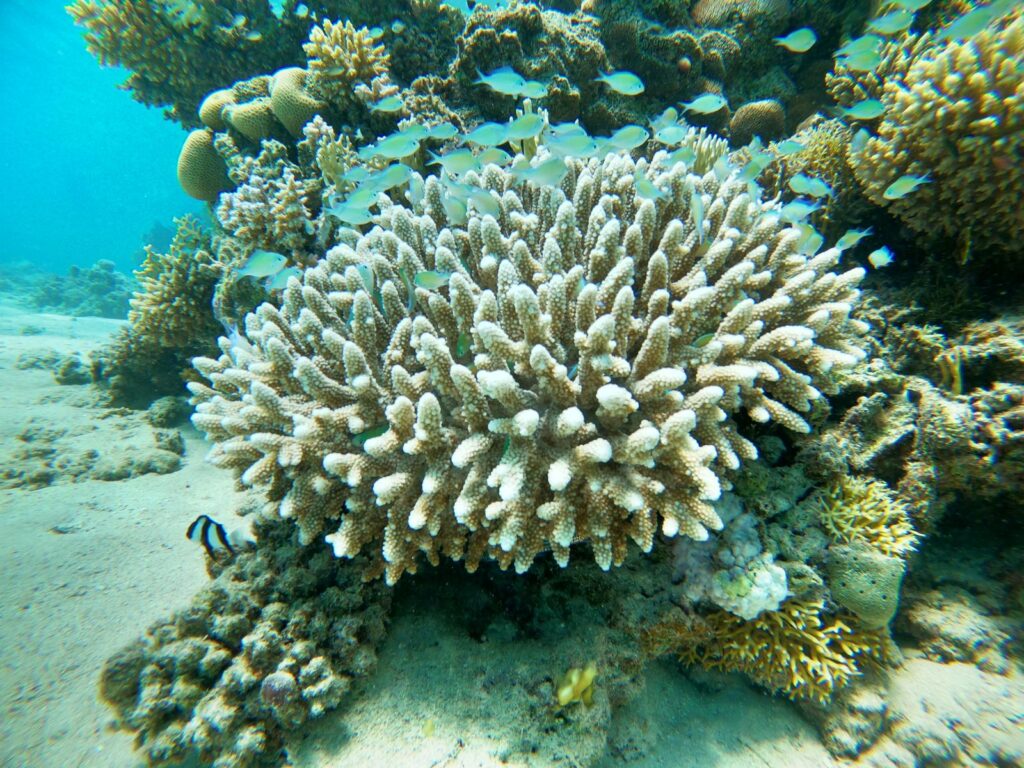
The reef at Wadi el Gemal consists of hard corals such as the widespread Acropora, which are made up of numerous individual polyps – small invertebrate animals that appear plant-like but are related to jellyfish (cnidarians). Reefs are formed by enormous colonies of these polyps, which absorb calcium and carbonate ions from seawater and combine them into solid limestone. This material is deposited directly within the bodies of the polyps, forming the calcareous skeleton of the reef. On this growing limestone framework, additional organisms such as soft corals, sponges, and bryozoans (moss animals) settle, together forming the reef structure itself.
Within the protective tissue of the polyps live single-celled algae known as zooxanthellae. They are not visible to the naked eye; their presence is apparent only through the color of the coral, which is produced by the pigments of the algae.
Through photosynthesis, the algae produce organic material that nourishes the corals. In this process, they use sunlight, water, and carbon dioxide (CO₂) to produce glucose (sugar) while releasing oxygen. At night, by contrast, corals extend their tentacles to capture suspended food particles. In this way, corals behave like plants during the day (through the algae’s photosynthesis) and like animals at night (through active feeding).
Tropical reefs arise from the close cooperation of two organisms, corals and algae. This symbiosis is among the most important on our planet and explains both their spatial distribution and reef growth, which over the long term is usually less than 1 cm per year, while individual coral species can reach several centimeters per year under favorable conditions.
Coral reefs cover less than 1% of the ocean’s surface, yet they provide habitat or food for at least 20% of all marine organisms. Owing to their complex structure and the symbiosis between coral polyps and algae, coral reefs exhibit exceptionally high biodiversity and play a crucial role in maintaining the ecological balance of tropical seas.
Healthy Coral Reefs
Coral reefs are dynamic ecosystems that are constantly changing. When corals die, new ones grow over them and attempt to remain within the water depth that is optimal for their species. A healthy coral reef requires three fundamental conditions:
- Abundant sunlight: so that the algae living within the corals (zooxanthellae) can carry out photosynthesis
- High but stable water temperatures (below 30 °C): these support the rapid growth of coral polyps
- Clear water: free of sediments that block sunlight or harm corals by partially penetrating their tissue, thereby impairing oxygen uptake and nutrient supply
Corals depend on sufficient dissolved oxygen in the water to sustain both their own vital functions and those of their symbiotic algae:
Oxygen for coral polyp tissue:
Corals are animals (polyps) and absorb oxygen directly from the surrounding water to maintain their cellular metabolic processes. A lack of oxygen (hypoxia) can stress the polyps, inhibit their growth, or, in extreme cases, lead to their death.
Oxygen for the symbiotic algae (zooxanthellae):
Corals host algae that carry out photosynthesis. During daylight, these algae produce oxygen, while at night they themselves require oxygen for cellular respiration. Low oxygen concentrations in the water can therefore also stress the algae, indirectly weakening the coral.
Coral Bleaching
One of the greatest threats to a healthy reef is coral bleaching, caused by elevated water temperatures as well as additional stress from flash floods and human activities.
When water temperatures rise above the normal range, the polyps become stressed and expel their symbiotic algae – the zooxanthellae – from their tissue. Without these algae, the corals lose the vital nutrients that are normally supplied through photosynthesis. The coral’s color, which is produced by the pigments of the algae, also disappears. The corals then appear white, as only their calcareous skeleton remains visible.
From a biological perspective, the corals’ stress response initially serves as a protective mechanism, even though it can become dangerous for the coral in the long term. Under improved conditions, when water temperatures stabilize again, the polyps can take up new algae and recover; however, if stress persists, they die, thereby intensifying coral bleaching.
High temperatures also increase the susceptibility of corals to disease. Certain bacteria can multiply more rapidly under these conditions and further damage already weakened corals.
Corals are also threatened by human activities such as overfishing, nutrient pollution, coastal development, excessive tourism, and pollution, all of which damage reefs or hinder their recovery.
Leave a Reply