



Egypt
– Plants –
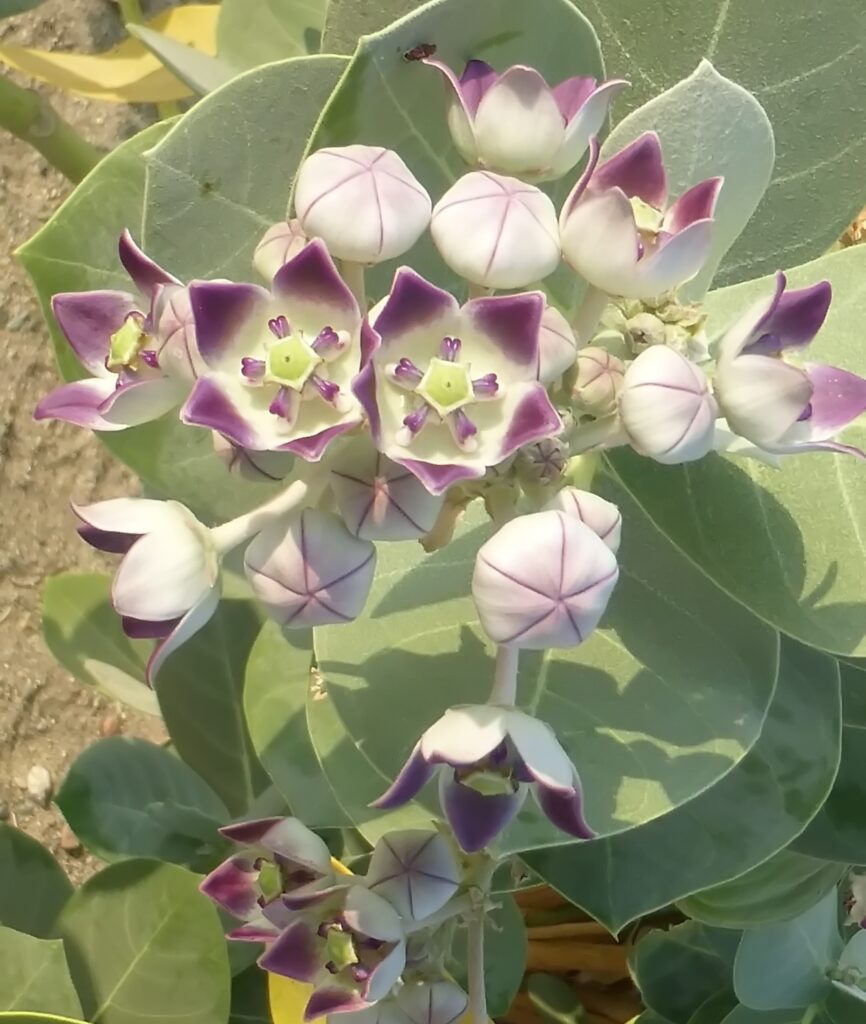
Flowers of the Sodom apple

- Plant Life in the Desert
- Acacia
- Alexandrian Senna
- Bitter Apple
- Bladder Dock
- Coastal Plants
- Date Palm
- Desert Date
- Lycium Shawii
- Mangrove
- Pulicaria
- Sinai Caper Bush
- Sodom Apple
- Spider Flower
- Tamarisk
- Toothbrush Tree
- Zilla Spinosa
Plants in Egypt
Plant Life in the Desert
The Wadi el Gemal region is impressive for its diverse landscapes and varied ecosystems. The plant life of the national park is among the richest in the Arabian Desert and includes 140 species of plants and shrubs. Particularly striking is how the plants have adapted to the extreme conditions of the desert and the coast: while deep-rooted shrubs and trees can use the water stored in underground channels and sediments, other species depend on the short-lived moisture available after rare rainfall events.
Medicinal plants
In Egypt, more than 340 medicinal plants are collected from the wild; in Wadi el Gemal alone, 70 species thrive that serve as valuable sources of natural remedies. At present, however, only about 30 of these plants are actively used by the local population. Traditional use includes various parts of plants for the treatment of numerous diseases. This knowledge has been passed down orally for generations, but is increasingly threatened by modernization and migration. The loss of this knowledge would not only endanger valuable cultural heritage, but also important medical resources, as many modern medicines are based on traditional uses.
Valuable for humans and animals
The plants are of inestimable value to the local Bedouins. They support health and shape everyday life in many ways: as fodder for dromedaries, sheep, and goats; as fuel for cooking or for preparing traditional beverages such as tea and coffee; for the manufacture of tools; and in some cases as food. In addition, they form an important basis for honey production. Each plant is very well known to the Bedouins, and each has its own name, which we also list here.
We will never forget how we once brought back a rather inconspicuous stick from the desert and, without any great expectations, asked an elderly Ababda whether he knew what it was. His answer came promptly and turned out to be correct: it was an arak branch.
When we next wander through the fascinating Wadi el Gemal, we will once again pause for a few moments, enjoy the indescribable silence, and admire the dry yet, at second glance, vibrant desert – plants that are often overlooked but are indispensable for the people and animals of this region.
For the joint excursions into Wadi el Gemal as well as for the extensive discussions and information on the plant life of Egypt, we would like to thank the biologist Ahmed Tolba and the Abu Ghosoun Community Development Association (AGCDA).
Acacia
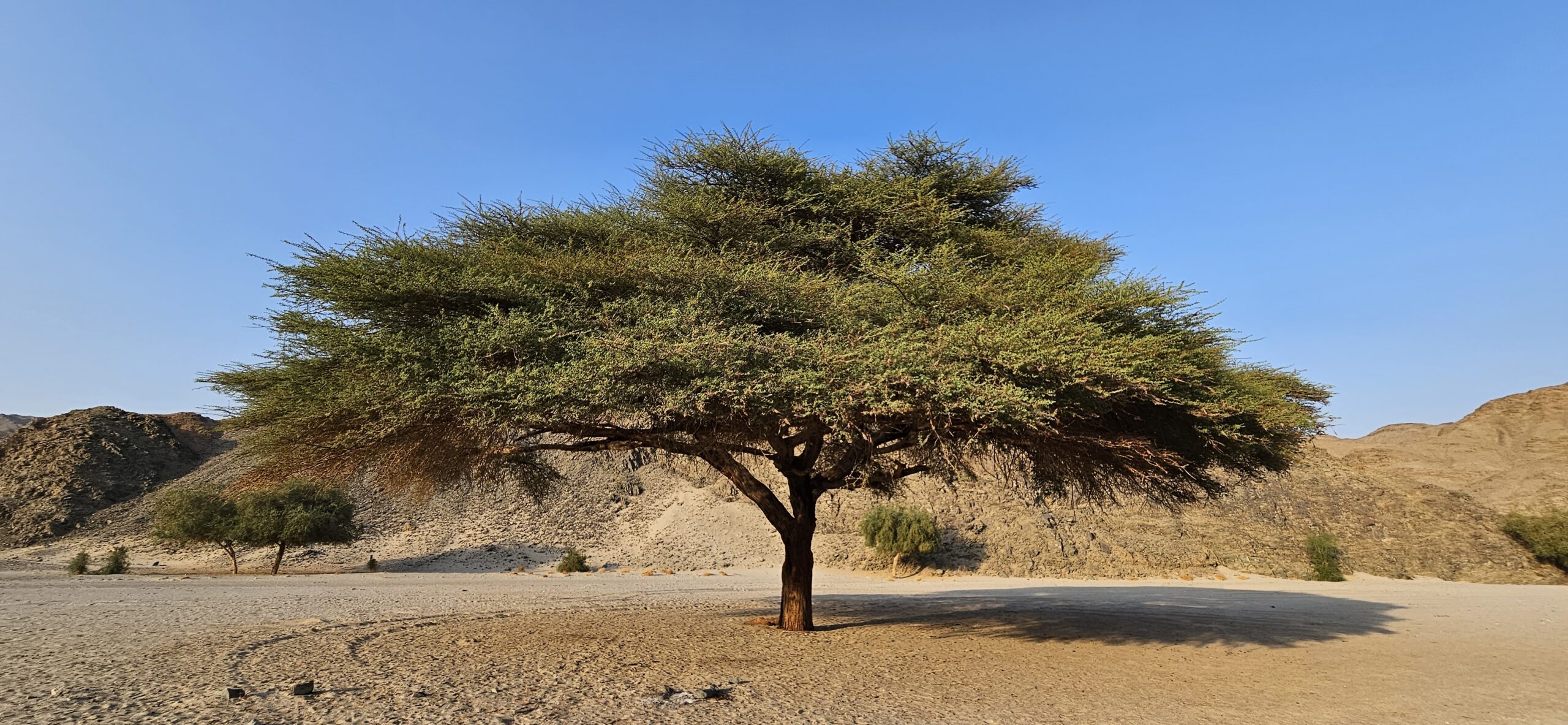
Among the most common trees in the Wadi el Gemal National Park are desert acacias. In the region, they occur as Acacia tortilis (also known as Vachellia tortilis) in two subspecies: Acacia tortilis subsp. tortilis, with its characteristic umbrella-shaped crown, and Acacia tortilis subsp. raddiana, which differs from the first subspecies by having a single main trunk.
Acacias are the most important trees of the entire Arabian Desert. They serve as grazing plants for animals – dromedaries in particular are especially fond of them – and provide fodder during prolonged dry periods when other sources are scarce. Acacias require very little water, make use of atmospheric humidity, and can therefore survive in locations where no other tree can thrive. At the same time, they provide shade and supply building material, charcoal, and firewood for the Bedouins.
Acacia tortilis tortilis
Acacia tortilis subsp. tortilis, known locally as samur, is a medium-sized, umbrella-shaped tree that often develops multiple trunks at the base. Particularly striking is its wide-spreading, umbrella-like crown, beneath which some of the most palatable grass species thrive. Under extremely dry conditions, this species grows as a small, wiry shrub, but overall it shows a high resistance to drought and saline soils.
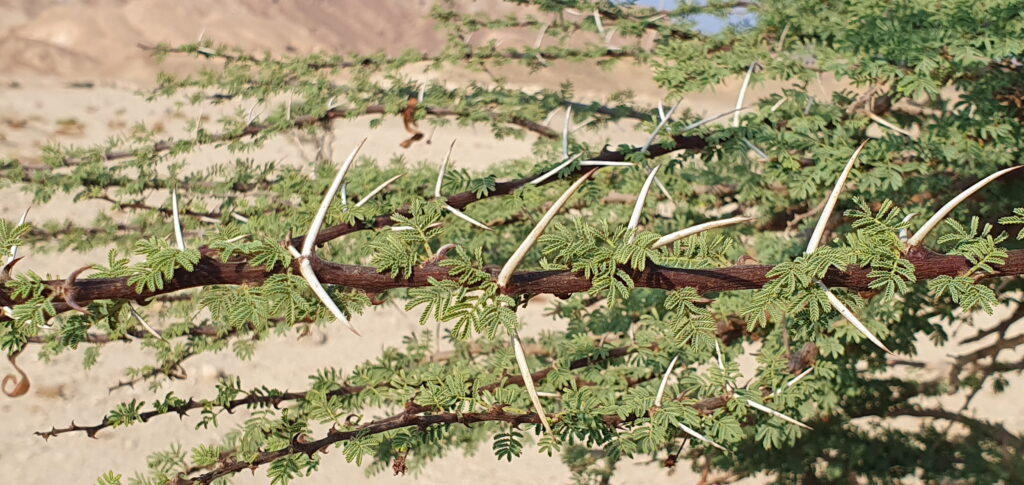
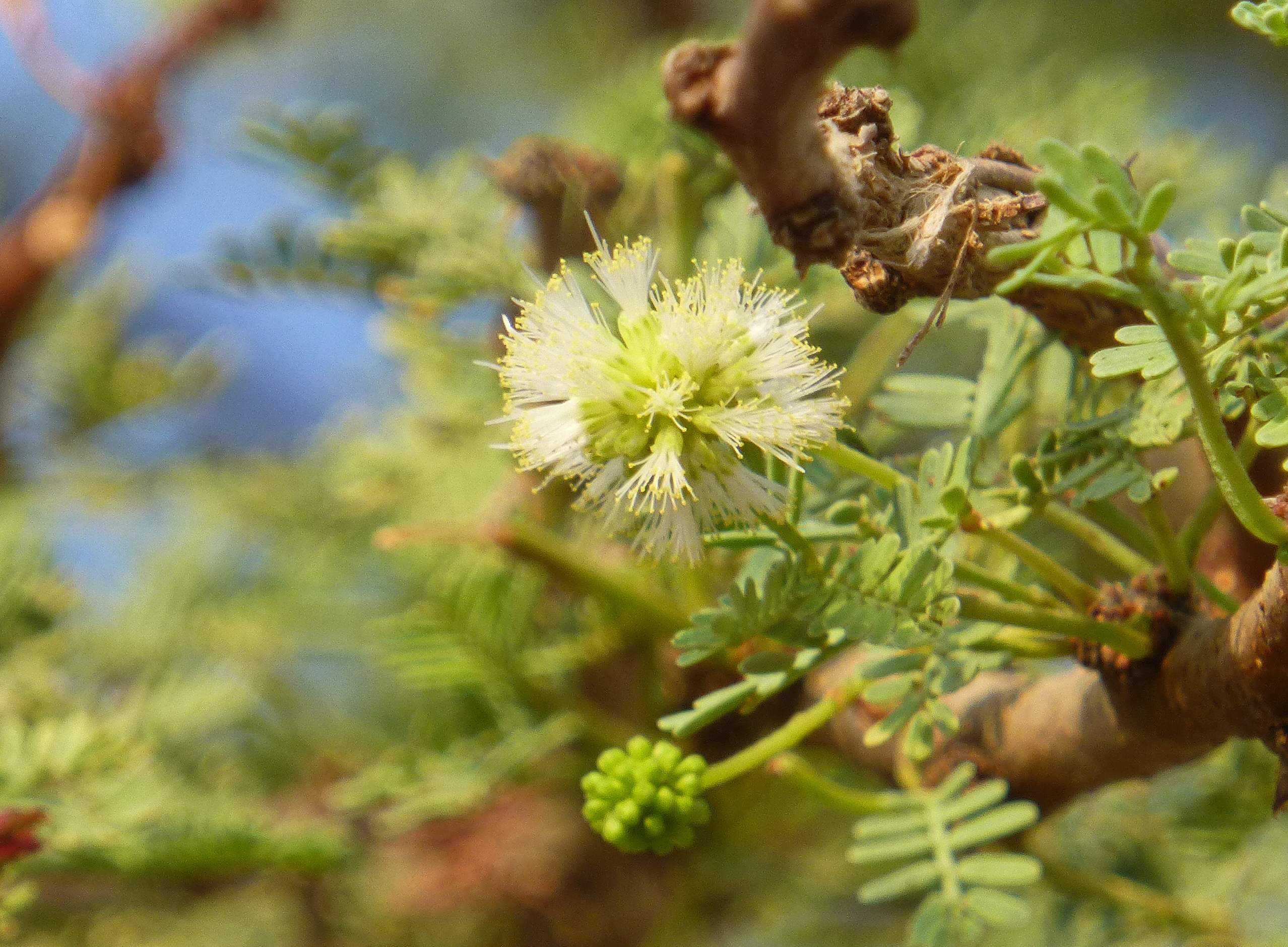
The tree bears two types of thorns – long, straight thorns and shorter, hook-shaped ones – as well as white to pale yellow, fragrant flowers that form round flower heads. It produces an especially large number of flowers rich in pollen and nectar, which are intensively visited by bees. This results in a dark, monofloral honey with a warm, caramelized aroma and herbal notes. The sweet-tasting flowers are also eaten by local people. Later, the flowers develop into spirally twisted, hairy pods containing several hard seeds.
Acacia tortilis raddiana
Known locally as sayyal, Acacia tortilis subsp. raddiana grows into imposing desert trees. In contrast to the first subspecies, this acacia has only a single trunk, which in older trees can reach a diameter of up to one meter.
Young trees have an irregular crown, while older ones develop a broad, rounded, umbrella-shaped canopy. During pronounced dry periods, the tree may shed its leaves. The bark is reddish, the thorns are strong, long, and sharp, and the whitish-yellow flowers are arranged in spherical heads; occasionally, the species even flowers twice a year. In contrast to the hairy pods of Acacia tortilis subsp. tortilis, the spirally twisted pods of Acacia tortilis subsp. raddiana are hairless.
The resin of the tree is traditionally used to treat stomach acidity, jaundice, and eye inflammations. In addition, the gum obtained from it is used in many industries, especially in food production.
Alexandrian Senna
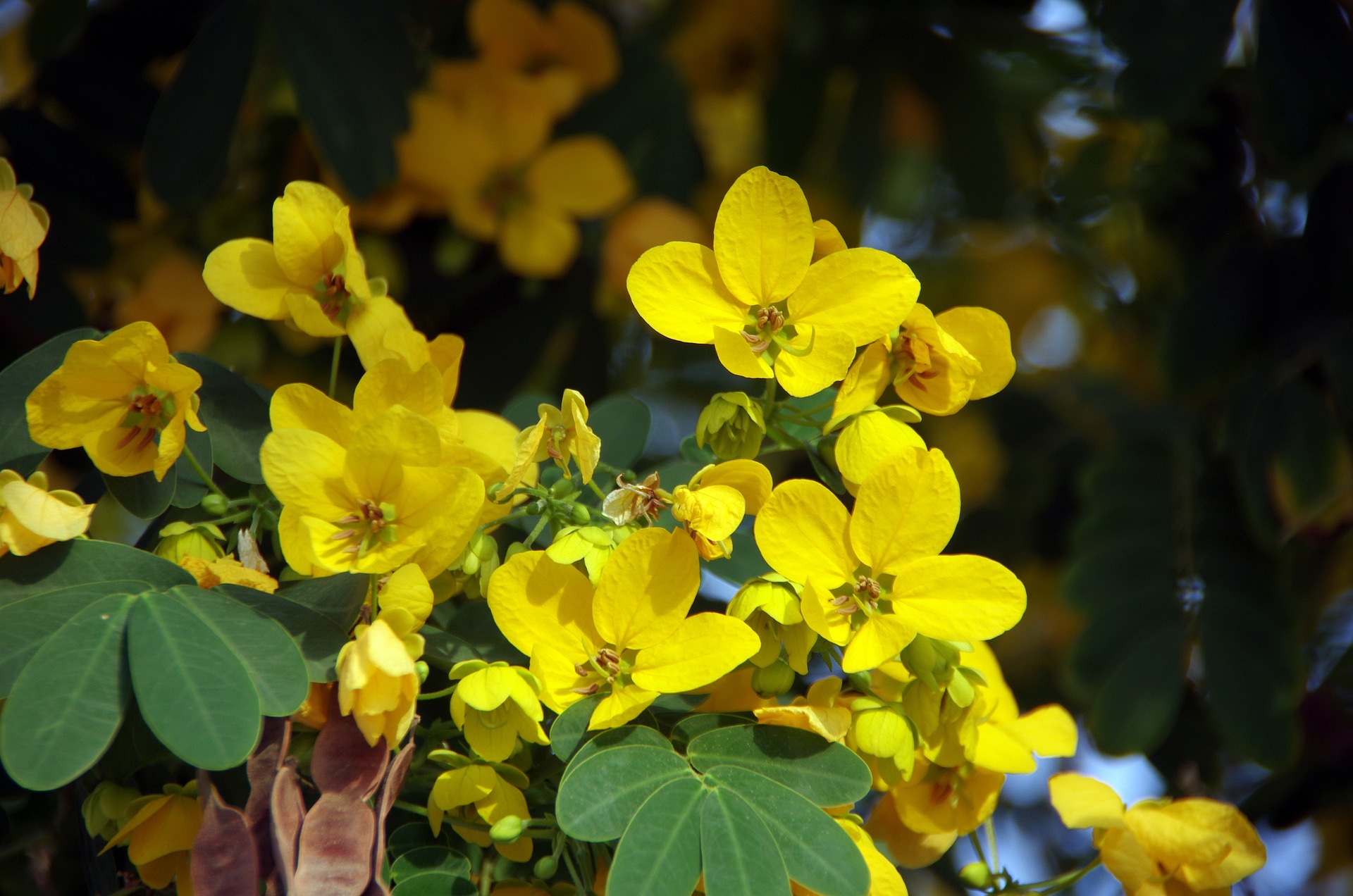
One of the most important medicinal plants of the desert is Alexandrian senna (Senna alexandrina), known locally as sana abbali, which is easily recognizable from a distance by its bright yellow flowers. Its dried and boiled leaves have been used for centuries as an effective laxative and are an integral part of the region’s traditional medicine. Because of its strong effect on intestinal activity, the plant is dosed with great care – knowledge that has been passed down among the Bedouins over generations.
Bitter Apple
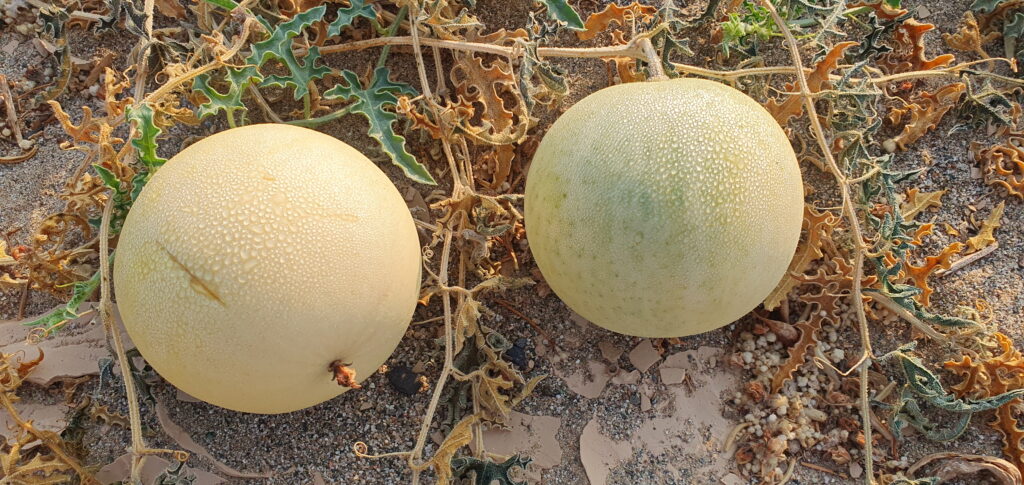
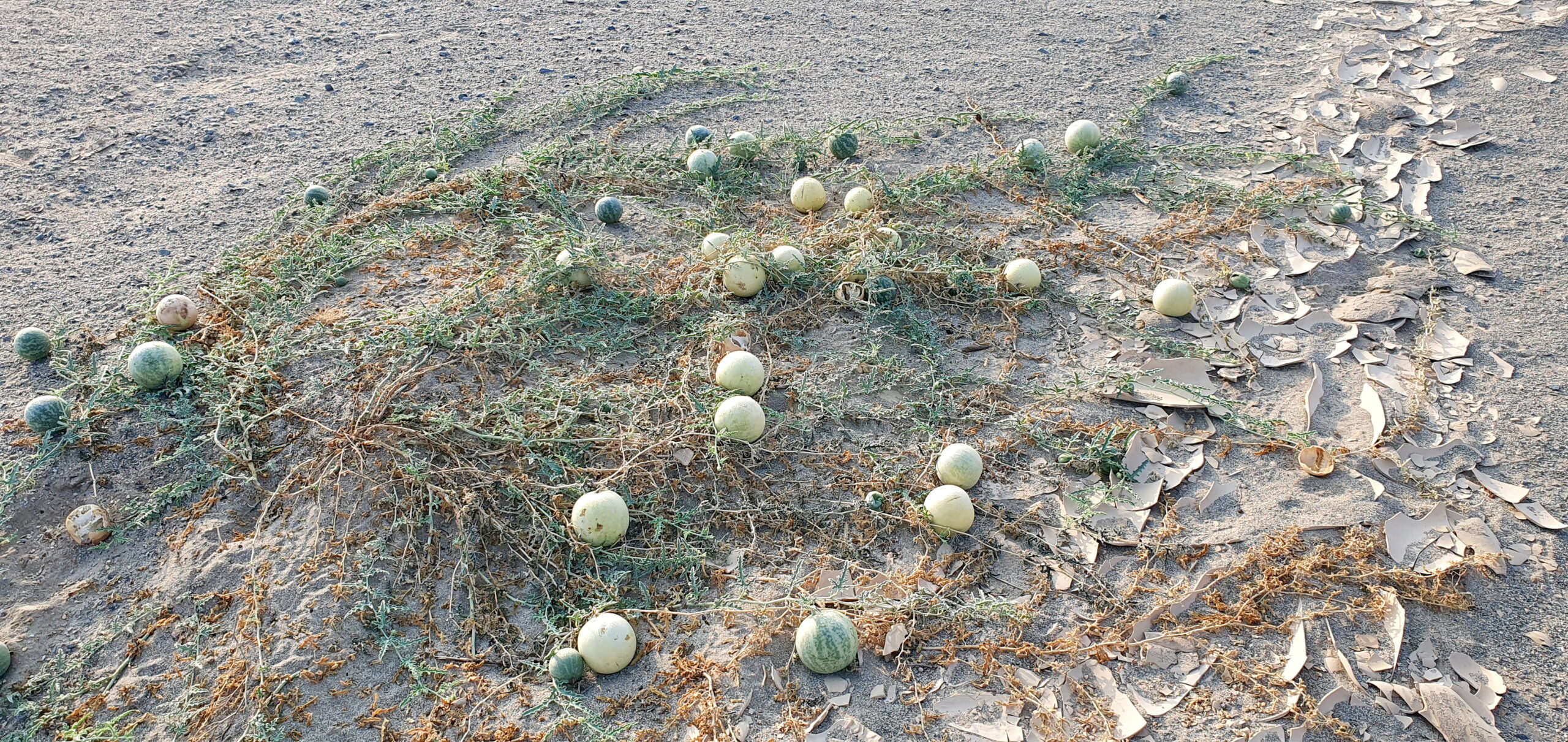
We did not expect anything like this in the desert – melon-like fruits right in the middle of the barren landscape.
The bitter apple (Citrullus colocynthis), also known as colocynth, wild or desert gourd, and locally called handal, is one of the best-known medicinal plants of the region. Its leaves have a diuretic effect, while the roots are used to treat rheumatism and joint pain. The fruits act as a laxative and are also used for ulcers, asthma, and throat ailments. The pulp has antiepileptic properties and helps with stomach complaints, and heated plant juice is traditionally used to treat skin diseases in dromedaries.
Oil is extracted from the seeds and is used primarily for medicinal or cosmetic purposes. The dried seeds and fruits are ground into a powder, mixed with water or oil to form a paste, and often applied to the hair together with other dye plants to achieve a light reddish-brown coloration.
Although it contains medicinal compounds, the bitter apple is considered poisonous because it contains substances that can harm the body in excessive doses. At the same time, the plant is a favored food source for gazelles, and occasionally also for donkeys and dromedaries, for which it is harmless.
Bladder Dock
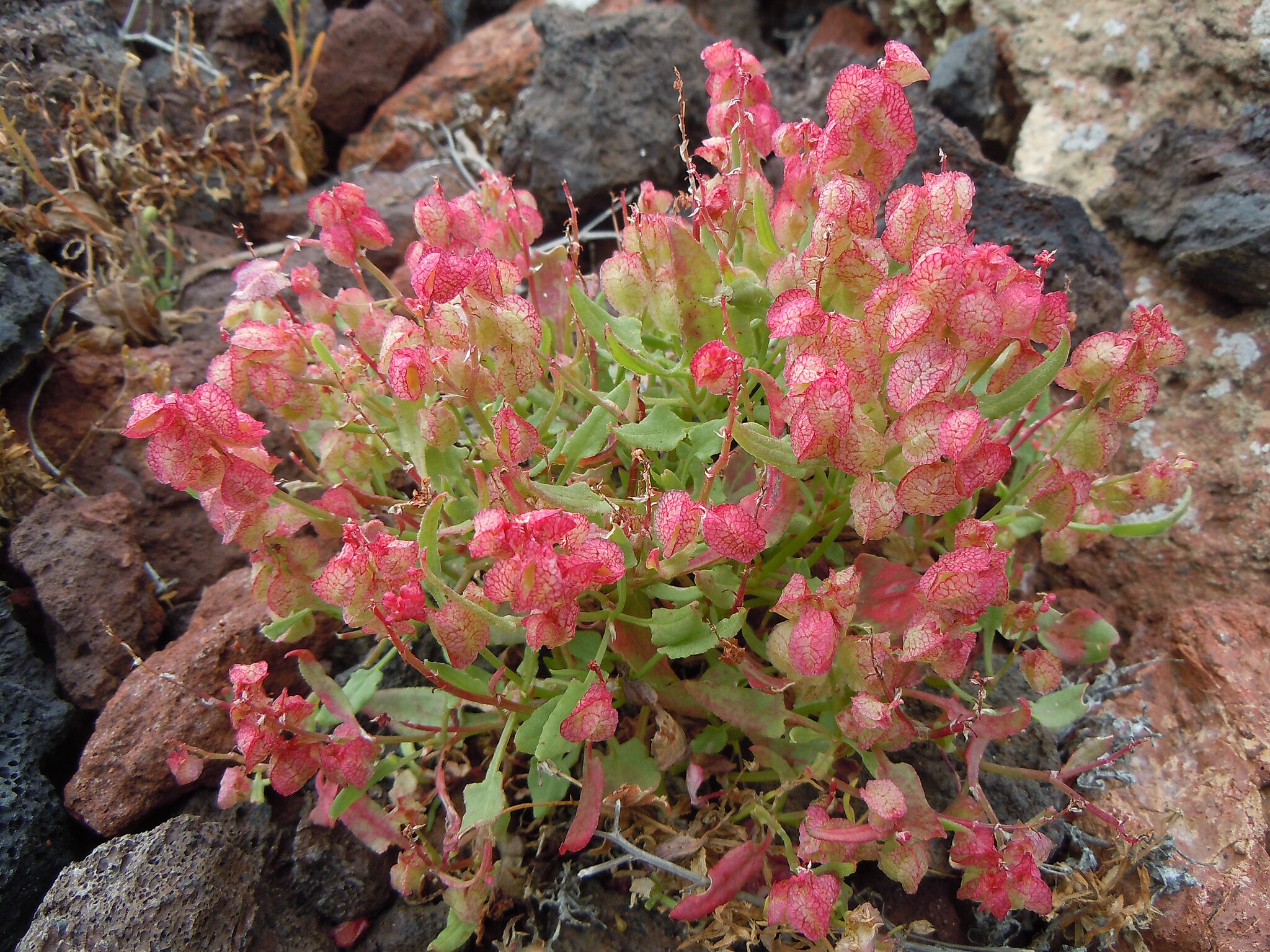
The bladder dock (Rumex vesicarius) is an annual plant with edible, succulent, slightly triangular leaves. They have a delicate, mildly sour flavor and are rich in minerals and antioxidants, but also contain oxalic acid – similar to the common sorrel familiar to us.
The raw leaves stimulate the appetite and can be eaten as a leafy vegetable. They help relieve constipation, nausea, and general digestive problems. The plant juice is also used to alleviate toothache. The seeds have cooling properties and are eaten roasted to treat severe intestinal infections.
Coastal Plants
Atriplex farinosa
On some sections of the coast, and especially on Wadi el Gemal Island, Atriplex farinosa is widespread. The shrub has very deep roots that stabilize the sandy substrate and thus prevent it from being eroded by wind or water.
The plant is very well adapted to saline soils and dry conditions. It stores water in its leaves and can absorb excess salt, allowing it to survive even in extreme environments.
Limonium axillare
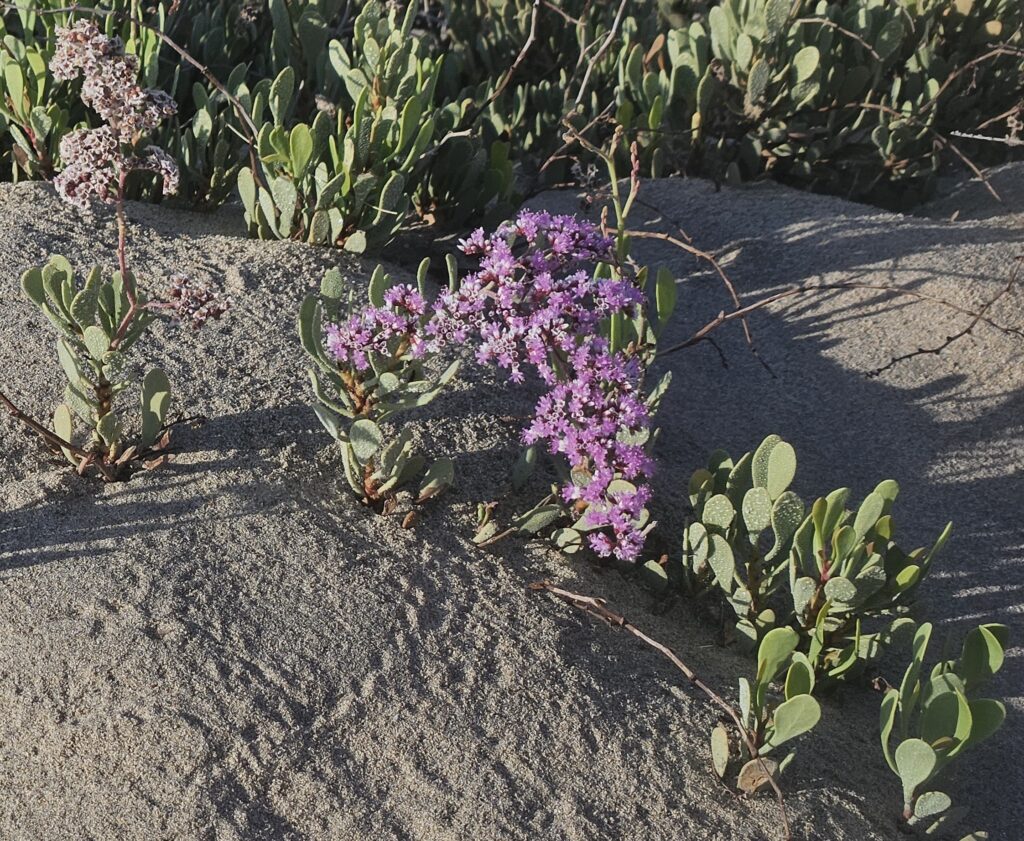
This salt-tolerant plant, known locally as shalili, is abundant along the coast of the Wadi el Gemal National Park. Its flowers are strikingly rose to purple in color. The main flowering period is in spring from April to May, but we also observed some flowering specimens in November.
A decoction made from the root bark is used by the local population to treat diabetes. In other regions, the plant is valued for its antimicrobial properties and is used for wounds and inflammations.
Zyghophyllum
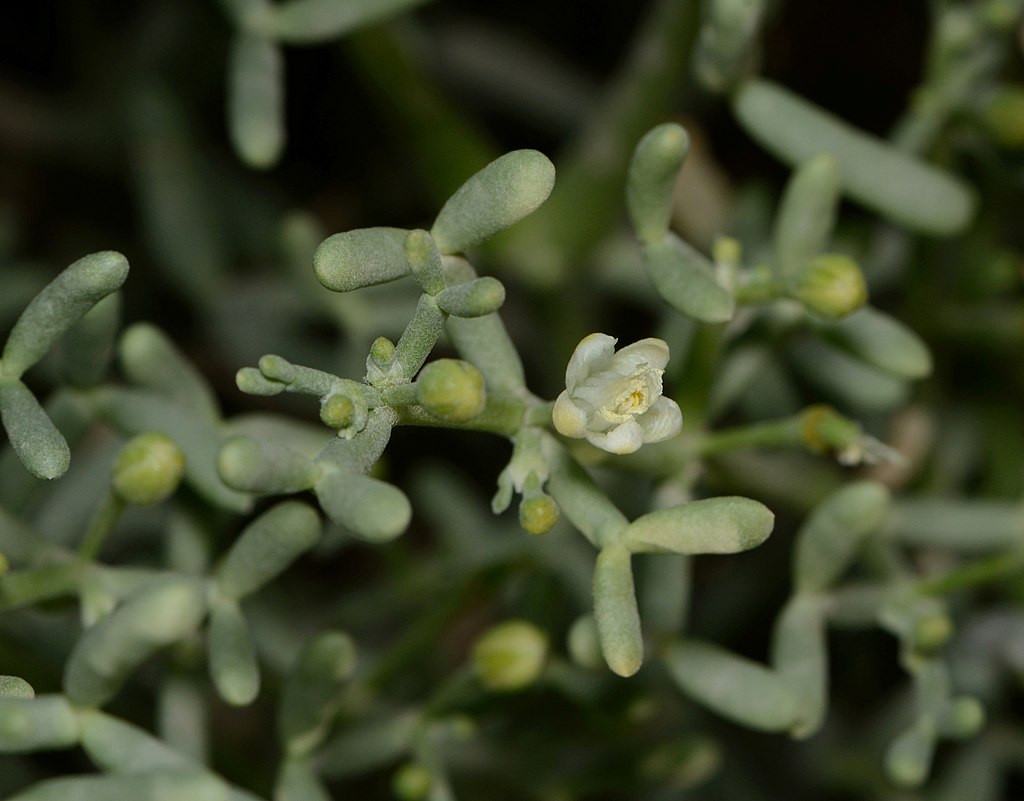
Species of the genus Zygophyllum are typical plants of deserts and semi-deserts. They occur in sandy, rocky, or saline habitats and are well adapted to arid conditions. Depending on the species, they grow either as low subshrubs or as annual, ground-hugging herbs. Characteristic features are their fleshy, succulent leaves, which are able to store water.
Depending on the species, the flowers are white or yellow. Flowering usually begins shortly after rainfall and can be very profuse, so that Zygophyllum plants temporarily dominate the landscape. During this phase, otherwise dry valleys are transformed into extensive flowering areas that provide an important food source for insects. Accordingly, honey from such regions often contains a high proportion of Zygophyllum pollen.
Human use varies depending on the species and region: Zygophyllum coccineum (known locally as bawwal) is traditionally used against intestinal parasites, has a diuretic effect, relieves flatulence, and possesses anti-inflammatory properties. Like Zygophyllum album (locally bihtinay), it can also stimulate the appetite.
Zygophyllum simplex (known locally as garmal) is used locally as a grazing plant. In other areas, infusions made from the leaves and seeds are used to treat eye inflammations and lens opacities. The seeds act against intestinal parasites and are also used as food by nomads.
Date Palm
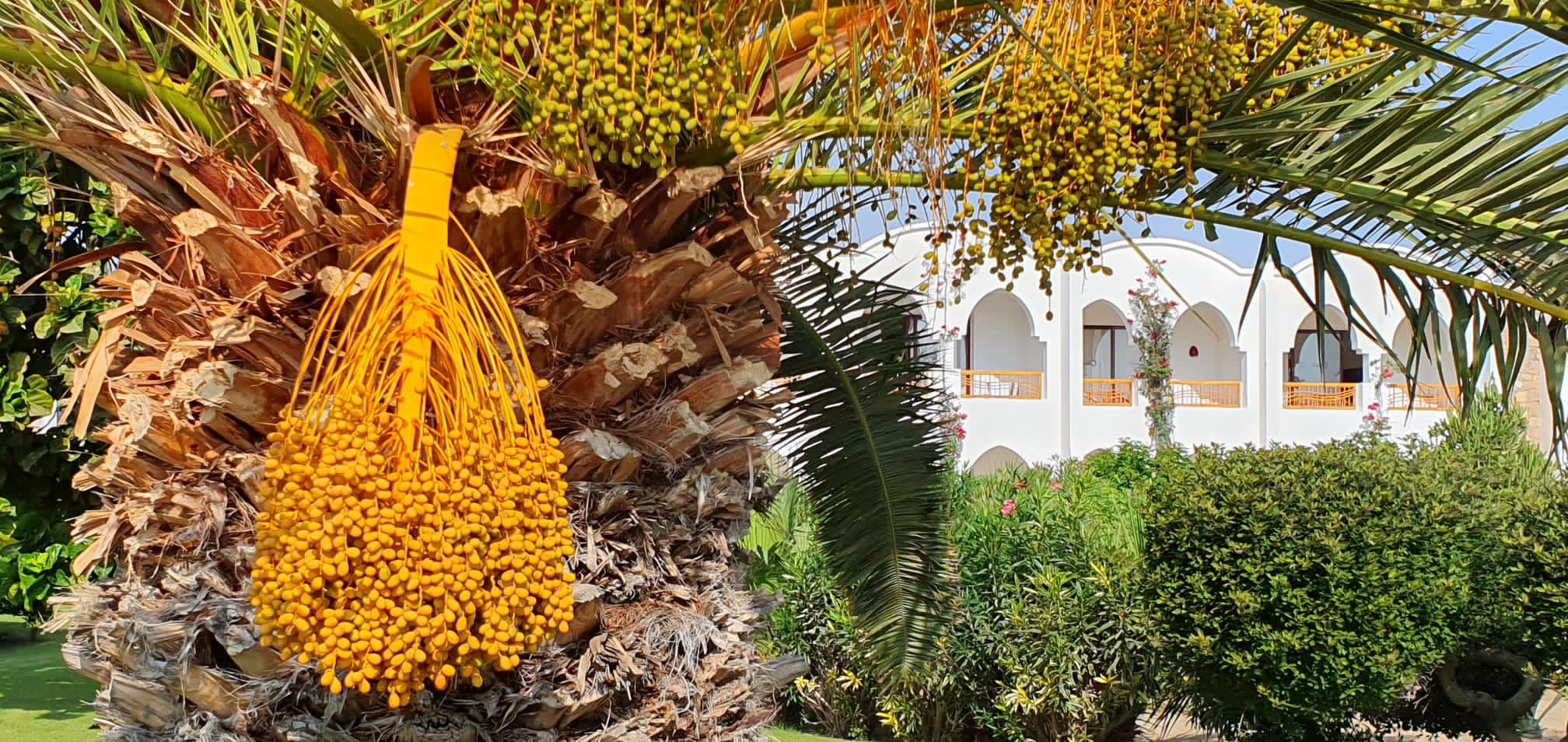
The date palm (Phoenix dactylifera), known locally as nakhl, is valued not only for its sweet, nutritious fruits, which are harvested from late summer to autumn, but also for the valuable fibers obtained from its leaves and leaf stalks. These fibers are widely used in North Africa and the Middle East and have traditionally been used to make mats and simple carpets. Owing to their durability, the fibers are particularly suitable for long-lasting everyday products.
Desert Date
Another typical and widespread plant is the desert date (Balanites aegyptiaca), known locally as lalub or higlig. This evergreen, thorny tree reaches heights of up to eight meters and often grows on sandy and rocky soils. Thanks to its dense foliage, it provides pleasant shade. The leaves are leathery, the flowers yellowish to green, and they appear from May to September. The fruits resemble dates in shape and appearance; when ripe, they turn yellow. We were able to taste them straight from the tree: at first they are pleasantly sweet, but after a few seconds a surprisingly bitter aftertaste develops.
The desert date is known for its wide range of uses. The edible fruits are traditionally used to support the treatment of diabetes. The wood is particularly hard, durable, and easy to work with; it is used to make cooking spoons, pestles, mortars, handles, and camel saddles. It also serves as firewood and construction timber. In some regions, the seeds are ground to extract edible oil. The saponins contained in the seeds and the fruit pulp largely remain in the press cake. Studies show that these substances can be used, among other things, as natural pesticides and as agents against worm infestations.
Lycium Shawii
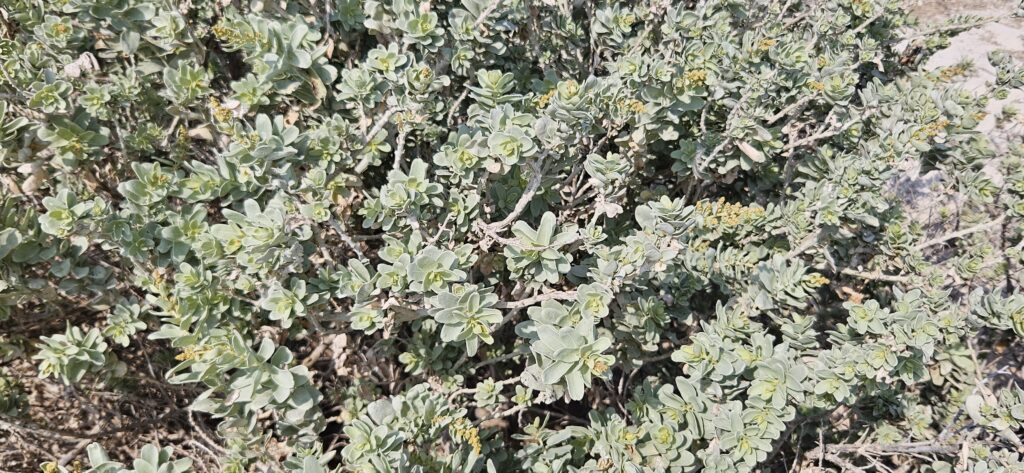
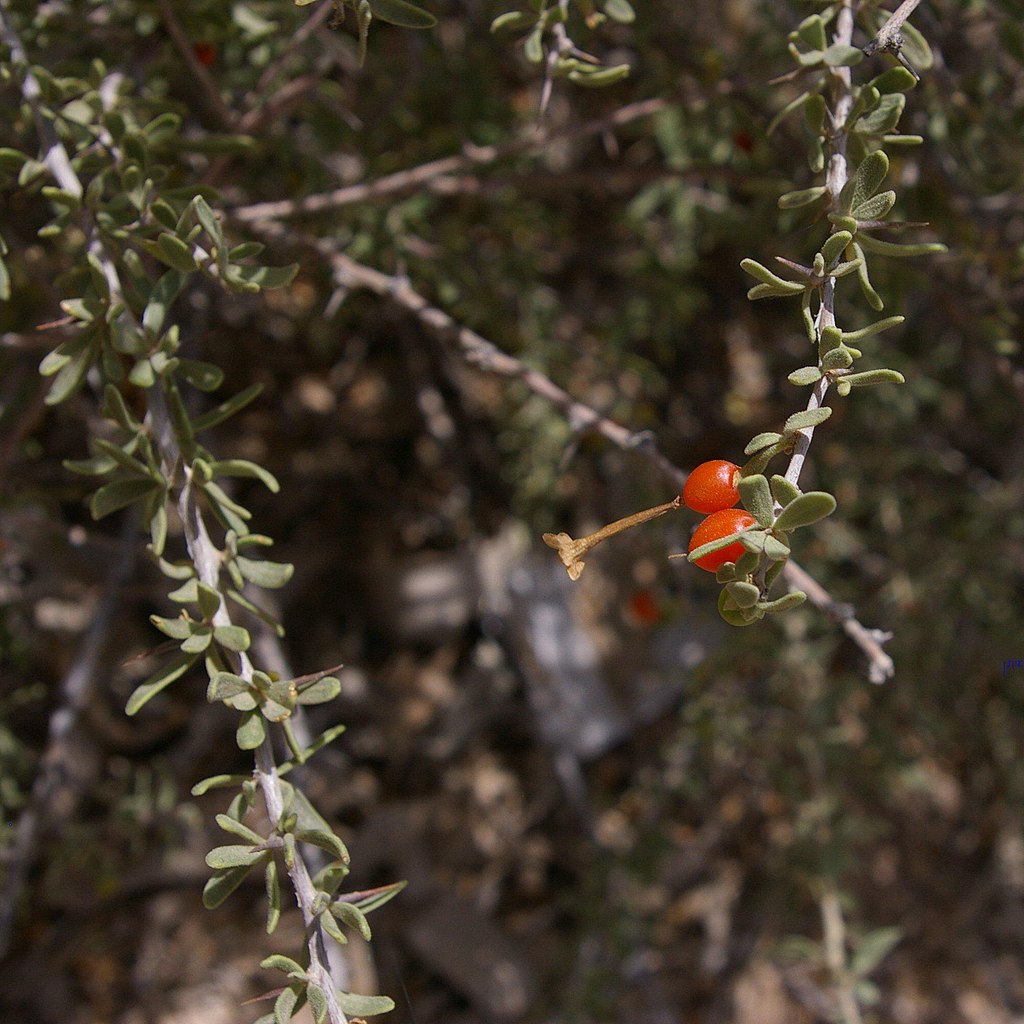
Lycium shawii is a rounded, densely branched, and thorny shrub known locally as sahanun. It grows in stony desert areas and wadis. The shoots are short and end in thorns; clusters of leaves grow on them, usually accompanied by a single flower. The flowers are pale violet, and the fruits are orange to red. The plant is often heavily browsed by grazing animals and then appears stunted; well-developed specimens are mainly found where they grow among the protective branches of acacias. Its very rapid growth after the rainy season is particularly noteworthy.
It is an important grazing plant, but herders take care to avoid certain periods when it can be deadly for goats – especially after rainfall, as the young shoots and leaves contain toxic substances in high concentrations. For medicinal purposes, the roots are boiled, and the decoction is taken internally to treat mouth ulcers and coughs. Applied externally, it relieves back pain and has been used to wash polio patients; in livestock, it is used to treat tick fever.
Mangrove
A special feature of the coasts of the Wadi el Gemal National Park is the exceptionally wide distribution of mangrove forests. In addition to Wadi el Gemal Island, the area of Ras Qulan-Hamata is among the most important sites, as it is home to the largest mangrove forest of the Red Sea within Egyptian territory.
Mangrove forests are typical coastal forests of the tropics and subtropics. They form a unique ecosystem that is closely connected to coral reefs, as mangrove swamps serve as valuable nursery grounds for numerous marine organisms such as fish and invertebrates. In addition, they release large amounts of organic matter into the surrounding seawater, which serves as food for many marine species. Last but not least, they provide breeding and resting sites for numerous bird species.
Worldwide, there are around 80 to 90 mangrove species belonging to various plant genera. The grey mangrove is the most widespread mangrove species and occurs in many regions from Africa through the Middle East to Australia.
Grey Mangrove
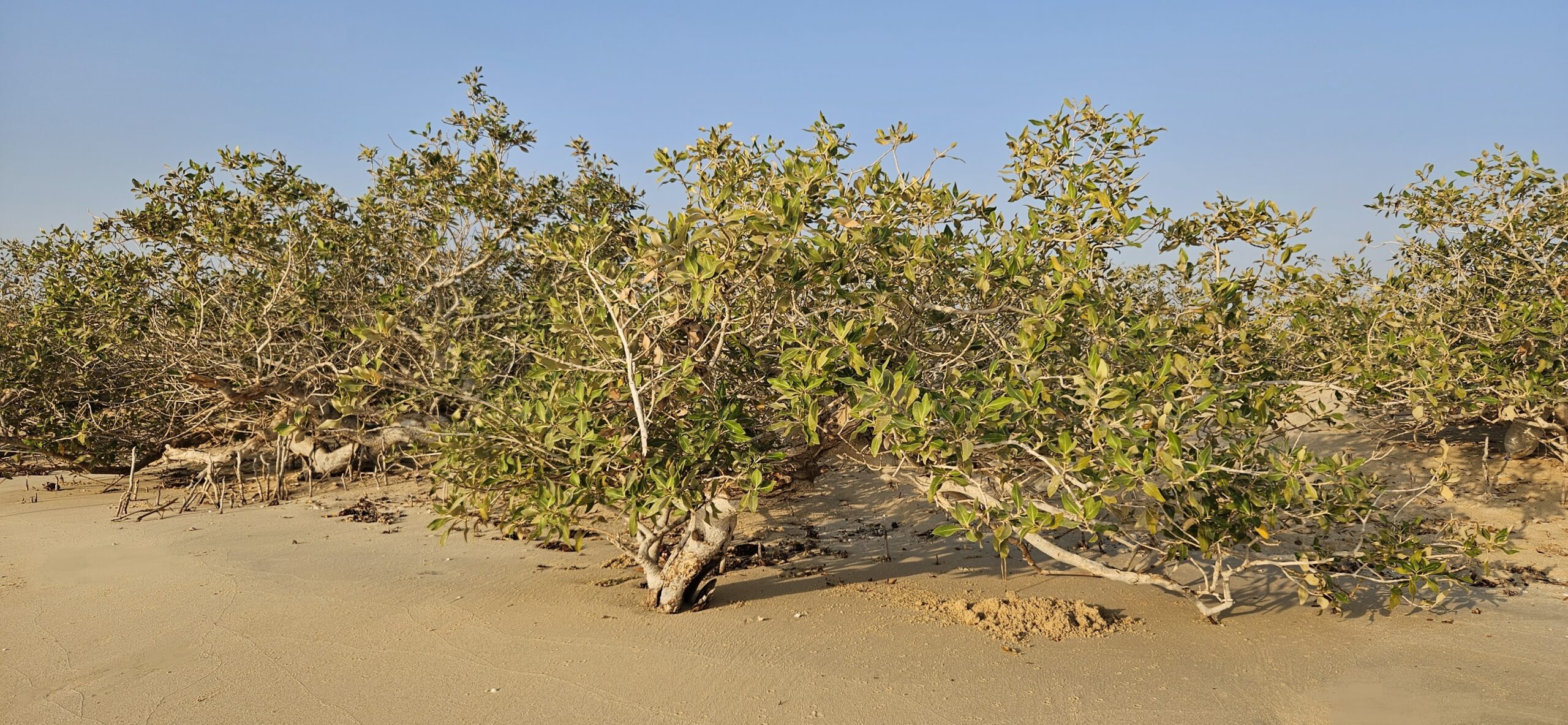
The grey mangrove (Avicennia marina), known locally as shura or manjaruf, is an evergreen perennial plant that grows to a height of one to four meters. The leaves are glossy green on the upper surface and pale and softly hairy on the underside. They also serve as fodder for dromedaries.
It grows in the intertidal zone between the mainland and the sea on soft substrates of mud and sand that are regularly influenced by the tides. Characteristic is its widely branched root system with vertical stilt or breathing roots, known as pneumatophores, which protrude from the ground like fingers and reach heights of about 20 to 30 centimeters. Through these roots, the mangrove absorbs oxygen from the air. The underground main roots, by contrast, filter seawater and can remove up to 90 percent of the salt, which is then excreted through the leaves and is often visible there as salt crystals. At the same time, the roots stabilize the substrate and effectively protect sandy coastlines from erosion.
The flowers of the grey mangrove are orange in color and bloom over a long period: the first flowers appear as early as February, while the main flowering season occurs in July and August. The flowers are intensively visited by bees, which produce a monofloral mangrove honey from them. This honey is dark, only mildly sweet, and is characterized by slightly salty as well as caramelized and spicy aromas reminiscent of licorice.
Pulicaria
Species of the genus Pulicaria are typical plants of desert flora. They are both ecologically and culturally significant, as they provide food for animals, are used medicinally, and are valued for aromatic teas.
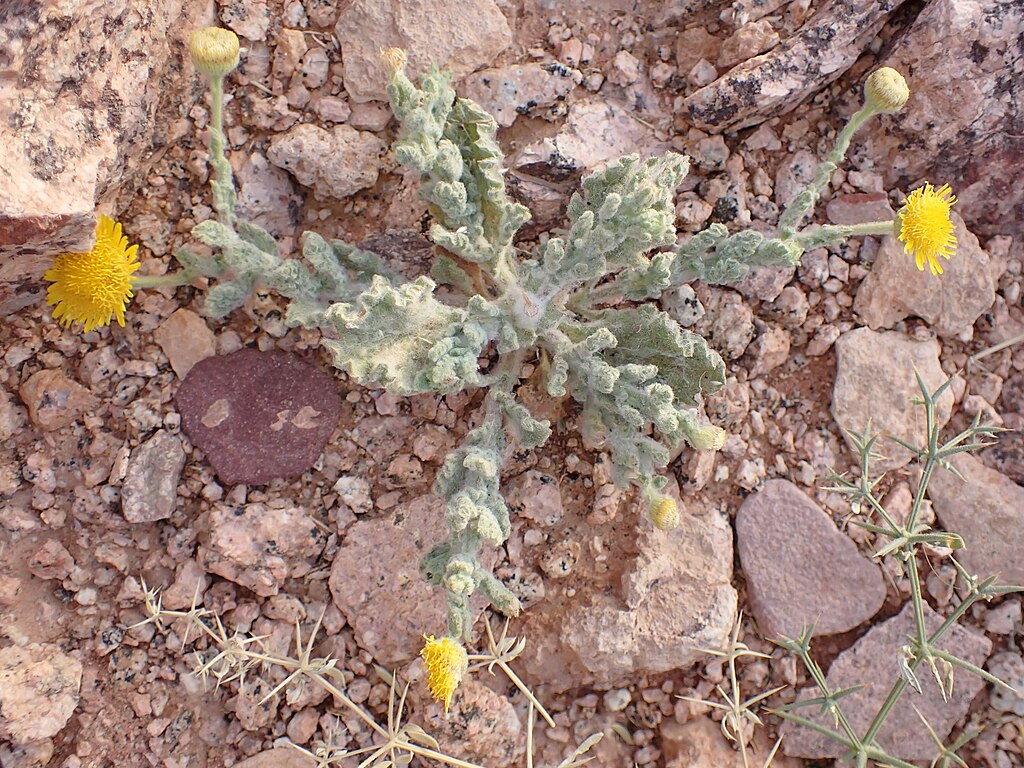
Pulicaria incisa (known locally as rabul or shay al-jabal) grows as a short-lived herbaceous plant, while Pulicaria undulata (locally jitya) often forms cushion-shaped shrubs. Both are covered with woolly hairs. Their yellow flowers appear after rainfall.
Pulicaria is valued as a grazing plant, especially when other fodder plants are scarce. It is also used medicinally: the smoke of burned Pulicaria undulata is used to treat measles and also serves as an insect repellent; the plant additionally exhibits antibacterial properties. The leaves of both species contain essential oils with a characteristic aroma. From Pulicaria incisa, a tea (shay al-jabal, “mountain tea”) is prepared that has a stimulating effect and relieves flatulence; it also provides healthy plant fats and antioxidants.
Sinai Caper Bush
The Sinai caper bush (Capparis sinaica), known locally as lasaf, is a species of caper that grows in rock crevices and along valleys. Its flower buds resemble the well-known capers of the Mediterranean region but are larger and reddish in color. In traditional medicine, they are used to treat colds. In terms of flavor, they are reminiscent of guava, a tropical fruit with a sweet, aromatic, and slightly tangy note.

Sodom Apple
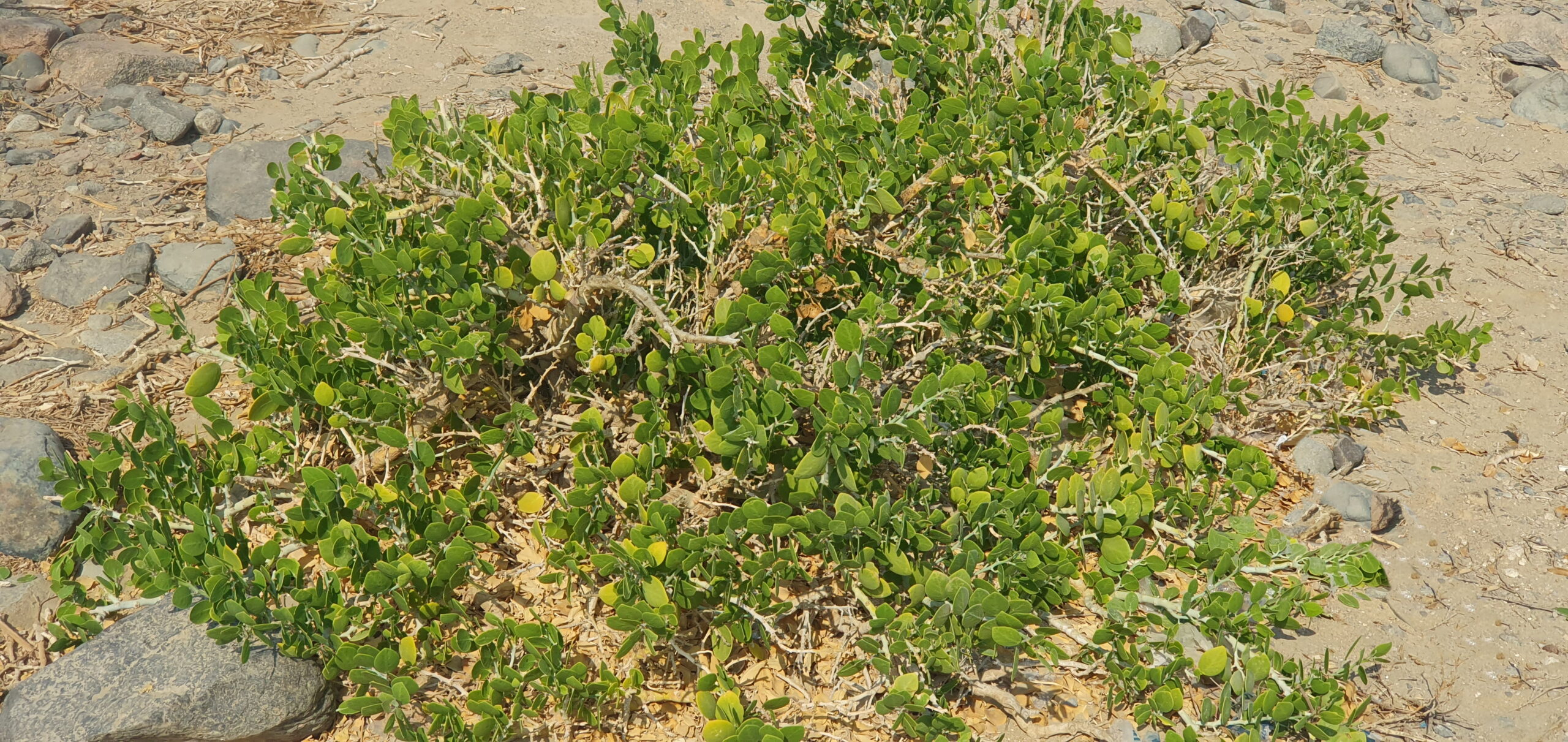
There are truly beautifully flowering plants in the desert: the white to violet blossoms of the Sodom apple, also called osher (Calotropis procera), particularly impressed us.
The Ababda use a powder made from burnt leaves to treat skin blisters, abscesses, and hemorrhoids. The plant is also traditionally used to relieve dental problems and toothache. However, caution is required: the milky latex sap can cause severe eye injuries if it comes into contact with the eyes and may even lead to blindness. Interestingly, its fruit is known as the Sodom apple. The name suggests that the plant appears attractive and harmless on the outside, but is toxic and dangerous within – much like the biblical city of Sodom.
Spider Flower
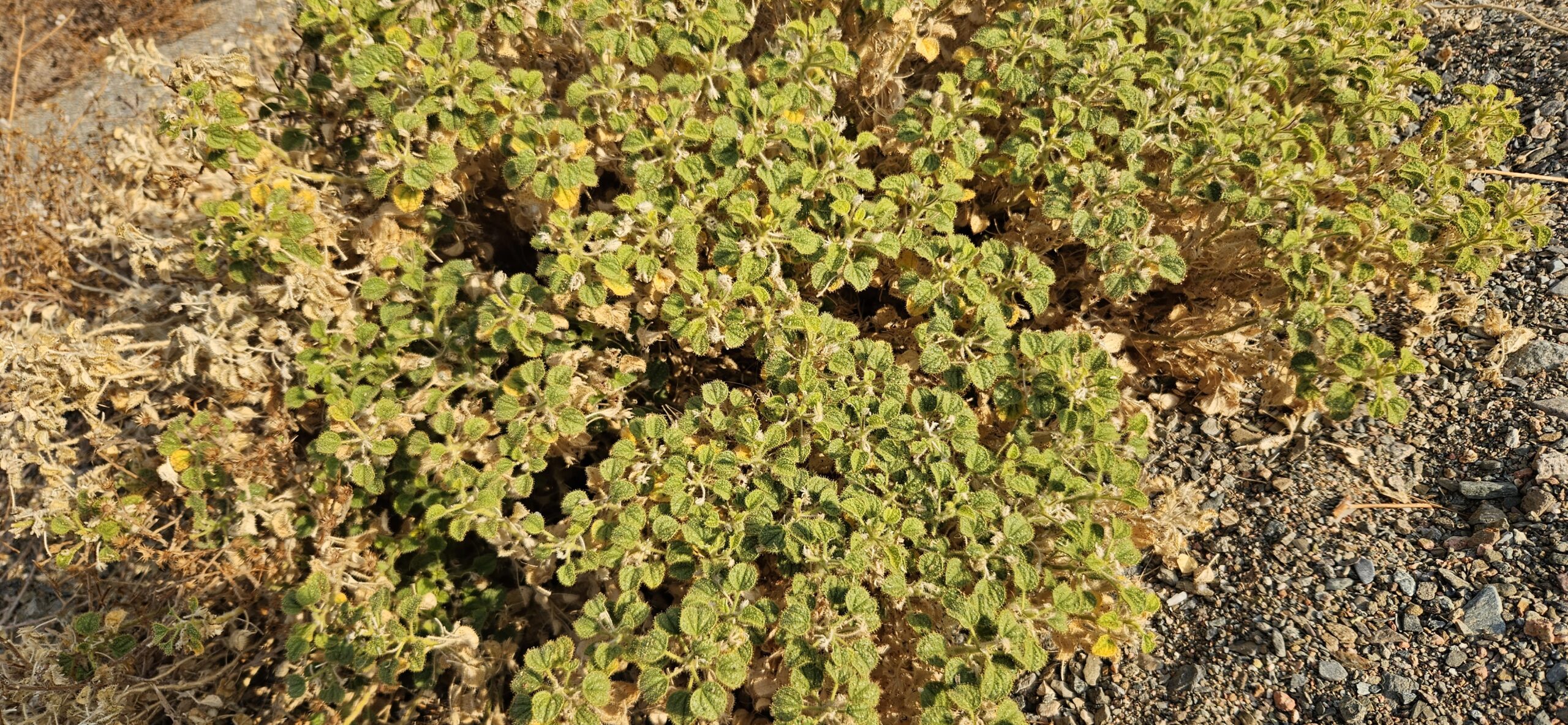
The spider flower (Cleome droserifolia), known locally as al-samwa, has a curious appearance – it is completely covered with glandular hairs that are especially noticeable on the leaves and resemble small tentacles. Overall, its surface is reminiscent of Velcro with fine hook-like structures. It is one of the most popular medicinal herbs throughout Egypt.
Because the plant has a strong aromatic scent (resinous and herbal), it is traditionally used to make perfume-like fragrances as well as mouthwashes. Fresh leaves and shoots, however, have a strongly bitter taste.
The air-dried leaves are demonstrably used to treat pain in the urinary tract (kidney stones) and elevated blood sugar levels (diabetes). Studies also show that a paste made from the leaf powder, when applied externally, has a pronounced antimicrobial effect on wounds and dermatitis.

Tamarisk
Amid the barren, dry landscape, a few Nile tamarisks (Tamarix nilotica), known locally as turfa, can be found. With their fine, delicate branches and slender, needle-like leaves, they appear almost fragile – yet they withstand sun, wind, and drought with remarkable resilience.
Tamarisks grow both as shrubs and as small trees, often in saline or sandy soils along wadis and coastal areas. Their deep-reaching roots enable them to draw water from the ground even during the driest periods, while at the same time stabilizing the soil and thus preventing erosion. Those who look closely can spot the small pinkish-white flowers, which hang from the branches like tiny feathery tufts.
The plant provides food and shelter for numerous desert animals. Birds use the dense branches as nesting sites, while small mammals and insects find refuge from the scorching sun in its shade. For the local Bedouins, turfa is a valuable source of firewood and, in some regions, also fodder for goats and dromedaries. Its leaves are used to treat hemorrhoids.
Toothbrush Tree
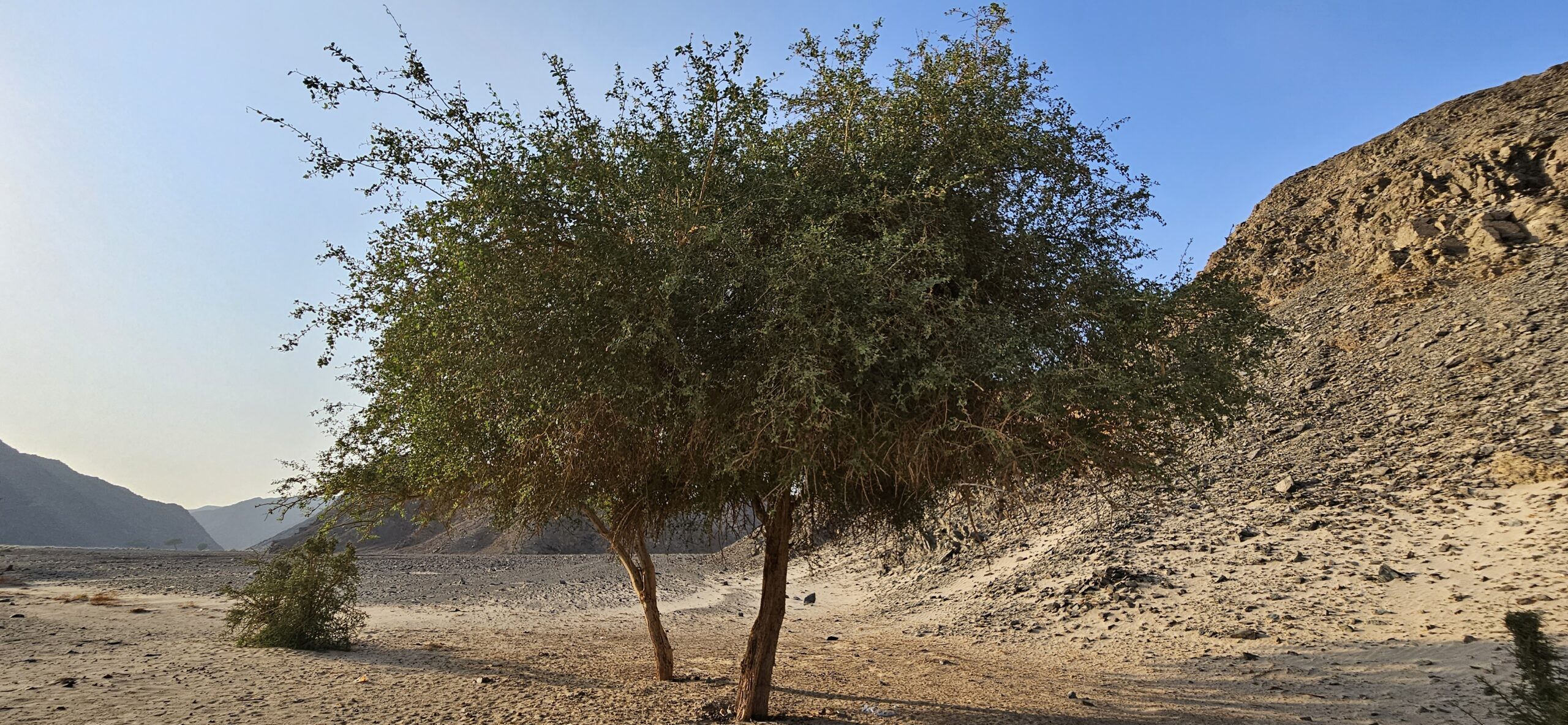
Typical of the flora of Wadi el Gemal is the widespread occurrence of a distinctive shrub, salvadora persica, locally called arak or siwak. Under favorable conditions with sufficient water, it can grow into a small tree and is also known as the toothbrush tree.
Along the wadi, it forms characteristic, almost impenetrable green islands in which snakes often hide. Animals such as rabbits, goats, sheep, and birds usually eat the leaves and young shoots only in moderation, as they contain bitter compounds and saponins.
The fruits of the arak are edible; when dried, they have a diuretic effect and help relieve pain in the urinary tract, while the branches, which contain strongly antiseptic substances, are used by the Bedouins as natural toothbrushes (meswak) for oral hygiene.

Zilla Spinosa
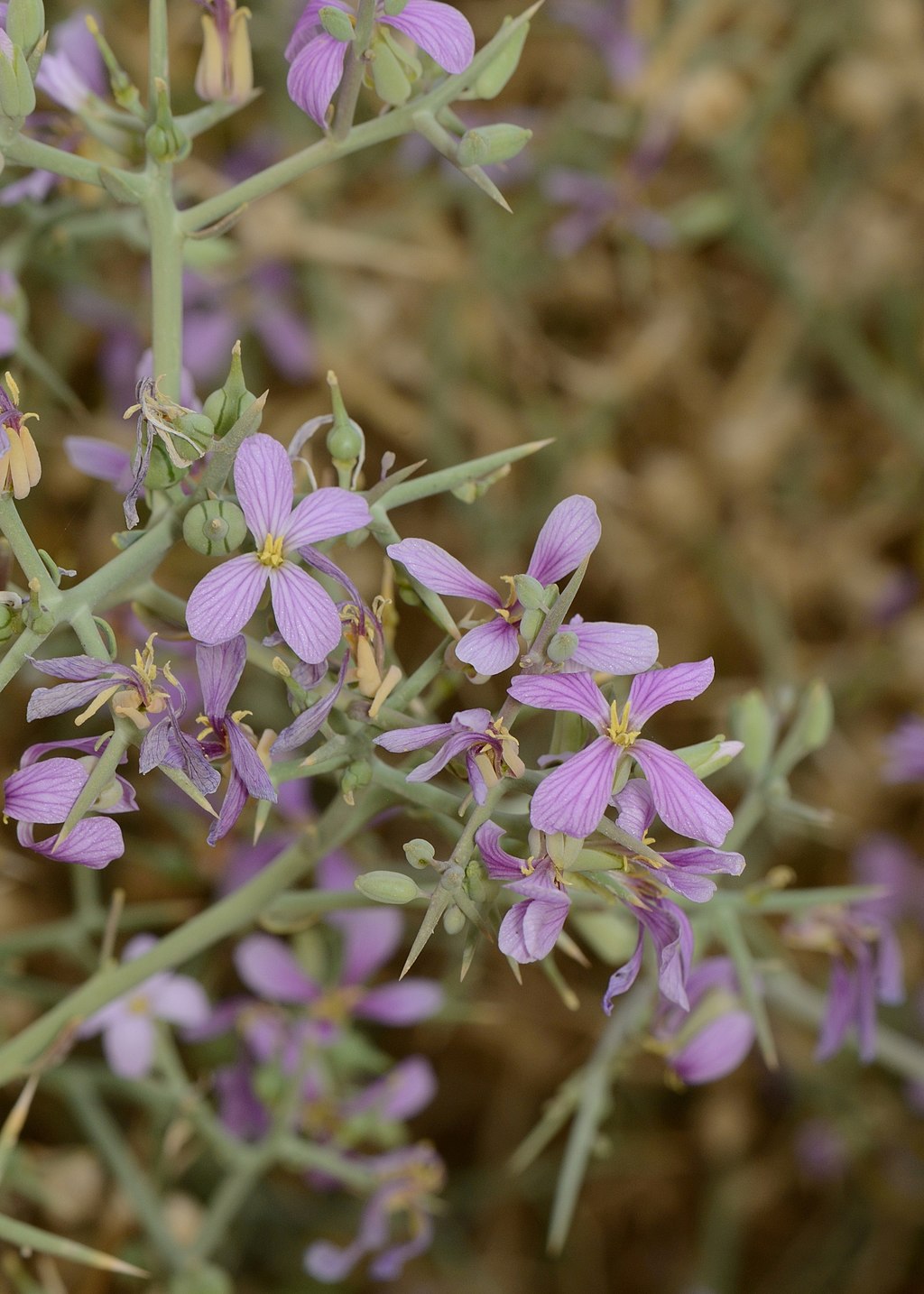
In hyper-arid regions such as the Wadi el Gemal National Park, some plants survive by retaining a small living part at the base of the stem, while the rest of the plant body dries out during extreme drought periods. After rainfall, the plant regenerates from this preserved section, thereby ensuring its survival under extreme conditions – one example of this strategy is Zilla spinosa.
Zilla, known locally as bisilla, is a perennial, widespread shrub that grows in dome-shaped bushes and can remain green for several years after rainfall. At the same time, pink to violet, sometimes pale mauve-colored flowers appear. The branches bear numerous strong, long thorns, and the fruits are nut-like in shape.
Zilla and acacia are considered the most important grazing plants of the region and also serve as a food source for wild animals such as gazelles, rabbits, and the Nubian ibex. When dry, the plant is used as firewood. It is also used medicinally, particularly for treating urinary tract disorders.
Leave a Reply